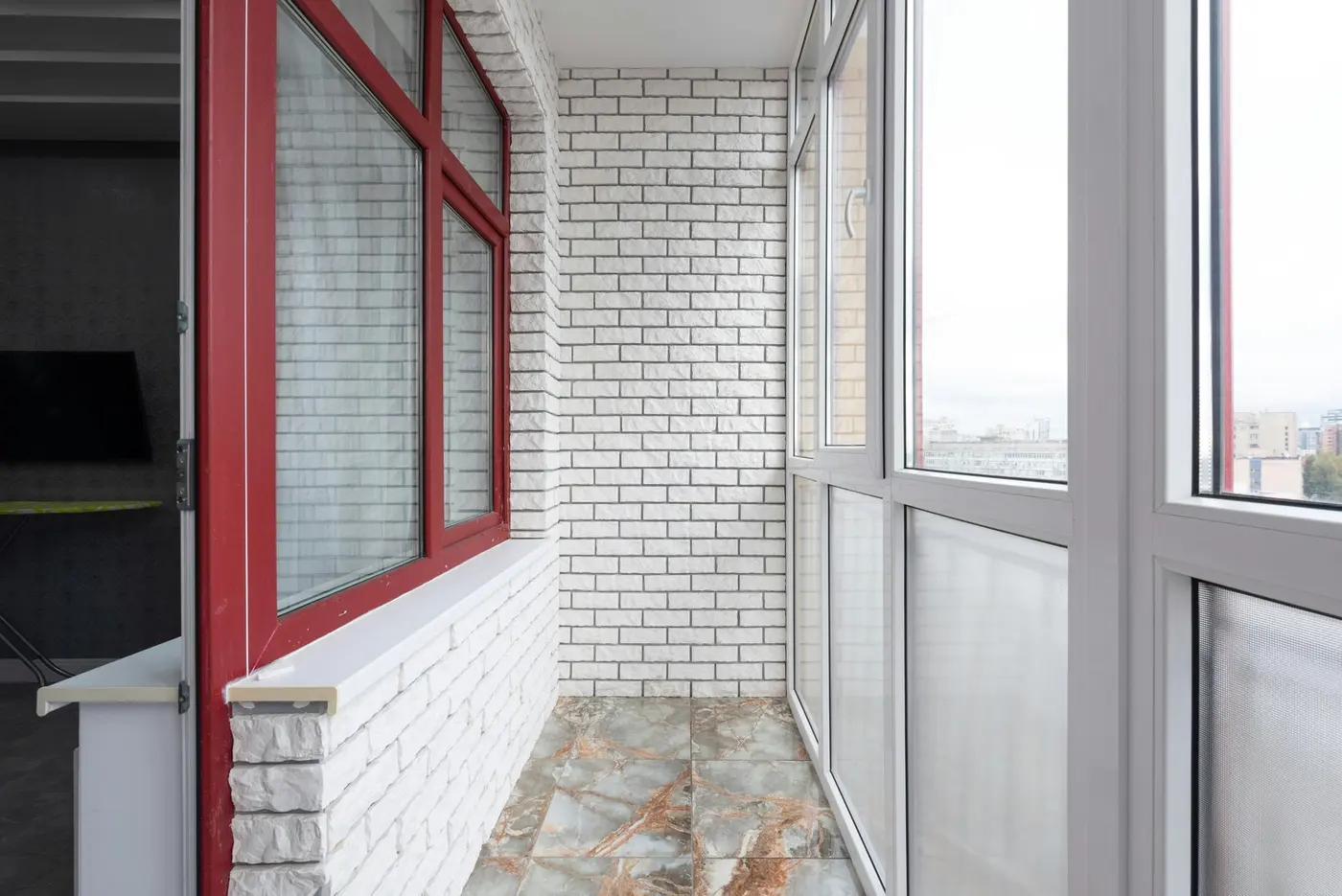
By late spring, a balcony in Prague rarely looks dirty in an obvious way. It looks dusty, slightly yellow, and a bit sticky around the edges. Often, it looks even worse after a quick wipe than it did before. That is why balcony cleaning after pollen season is less about brute force and more about doing the steps in the right order.
In city apartments, the mess is more than just pollen. It is pollen mixed with road dust, soot from traffic, and greasy residue from the city air. That is exactly why pollen on balcony surfaces feels so much worse than ordinary indoor dust. All of this settles into door tracks, drain corners, and the joints where the floor meets the wall. If you rush it, you end up carrying that dirt right back into the flat or scratching surfaces that were perfectly fine to begin with.
What actually settles on a balcony after spring
Most people see a thin dusty layer and assume a quick sweep will do. Usually, it will not. On a Prague balcony, especially one facing a street, the dirt is a blend. Tree pollen from birch or plane trees sticks to fine urban dust. Add a bit of soot and a light oily film, and the surface starts behaving differently from a normal indoor floor.
On smooth tiles, that mix turns into muddy streaks the second you add water. On dark composite boards, every yellow footprint shows. On wood, the residue settles deep into the texture and joints. And on balcony doors, it collects in the lower track – a place most people never look until the door starts feeling gritty.
I see the same mistake repeatedly: someone sweeps too fast, throws water around, wipes the glass last, and ends up with a wet border of dirt along the threshold. The balcony looks cleaner for twenty minutes, but once the surface dries, the stains reappear, and the living room floor gets the rest of the dust.
These surfaces deserve extra care:
- Glazed tiles that can show dull marks after using harsh cleaners.
- Wood decking that does not like soaking or stiff brushes.
- WPC or composite surfaces where dirt gets pressed into the grain.
- Painted or powder-coated metal railings.
- Stone or engineered stone sills that react badly to acidic products.
If you are not fully sure what material you have, start mild. It is not being timid; it is being smart.
How to clean without dragging the dirt back inside
The order of operations matters more than the product. My rule is simple: remove everything dry first, clean the details second, and only then move to damp wiping or mopping. This approach alone solves half the problems associated with pollen.
1. Protect the interior first
Close the balcony doors before you start. If you have a screen, close that too. Put an old towel on the inside threshold. In a typical Prague apartment, where the balcony often opens straight into the living room, this tiny step saves you from cleaning the same dust twice.
2. Use dry tools before water
For corners, tracks, and drain edges, a vacuum with a narrow nozzle is far better than a wet cloth. For open floor areas, a soft broom or hand brush works well – just use short, controlled strokes instead of flinging dust into the air. You do not need force; you need control.
3. Separate doors, frames, and floors
Patio door cleaning should be treated as its own task. Clean the doors and frames from top to bottom first. Leave the floor for last. If you mop the floor first and then wash the frames, dirty drips will land exactly where you just finished cleaning.
4. Use only as much moisture as needed
Apartment balconies are not garden patios; they rarely have a hose connection. In most Czech apartment buildings, you should not be dumping buckets of water or flooding the drain. If you are wondering how to clean a balcony in a rental or older apartment block, this is usually the safest answer: use less water and more control. A spray bottle with lukewarm water, a microfiber mop, and one dry cloth usually achieve more than most expect. Pollen stains respond better to light dampening than to a full soak.
Pro tip: If the sun is hitting the balcony directly, work in smaller sections. Otherwise, the water dries too fast, leaving new marks before you can lift the dirt away.
Safe cleaning for tile, wood, and composite surfaces
Different materials require different approaches. Terrace cleaning is never a "one size fits all" method.
Tile
For normal city grime, lukewarm water with a small amount of pH-neutral cleaner is usually enough. You do not need aggressive degreasers unless you are dealing with neglected grease from a grill. Microfiber is better than a hard scrub brush because it lifts the film instead of grinding it around. For grout lines, a soft brush is fine, but do not attack them like outdoor paving stones.
Wood
Wood is where people often get into trouble. Too much water can sit in the joints and create uneven drying or discoloration. Use a lightly damp cloth, a gentle wood-safe cleaner, and dry the area promptly. If the balcony is heavily coated, two light passes are safer than one heavy, aggressive scrub.
Composite and textured boards
Composite boards (WPC) tend to trap dust in their texture. A soft brush moved with the grain helps. Avoid abrasive pastes, bleach-heavy products, and rough pads. They might clean the surface now, but they can also damage the finish, making it more likely to hold dirt in the future.
Dried pollen marks are especially annoying after rain followed by a warm afternoon. In that case, pressing harder does not help. Let a damp cloth sit on the mark for a minute to soften it, then wipe. It is slower, but much better for the surface.
Corners, drains, and railings: Where the real dirt hides
The place that determines whether a balcony still looks clean a week later is the drain area and the "dead" corners near the wall. This is where pollen, hair, dust, and old moisture build up. It is also where stale smells begin after the first warm rain.
Clean the drain dry first. Wear gloves to remove larger debris by hand, then use a vacuum or a narrow brush. Only after that should you rinse it lightly. Pouring liters of water into a city balcony drain rarely improves anything and can cause clogs deeper in the system.
For trim edges and narrow joints, an old soft toothbrush works surprisingly well. A microfiber cloth often glides right over the dirt trapped in a tight corner. This is where patience beats power.
Railings and sills depend on the finish. Painted metal handles lukewarm water and mild detergent well. Glass panels should be dusted before wiping to avoid scratching. Natural or engineered stone sills deserve caution – skip vinegar or acidic products unless you are certain the material can handle it.
How to clean balcony doors and frames without streaks
Patio door cleaning makes sense as part of the same session because pollen rarely stops at the floor. It settles in the frames, the rubber seals, and the tracks. Every time you open the door, a little bit of that dust comes inside.
Begin by vacuuming the tracks and seals – even twice if needed. Only then move to a damp cloth. If you use water immediately, the dust turns into a grey paste that sticks in the corners. For frames, a soft microfiber cloth and a very mild cleaning solution are all you need.
For the glass, keep one cloth for washing and a separate dry cloth for finishing. In urban apartments, the issue is often a fine film that only shows when the light hits it. Dry the lower edges and corners properly; that is where new streaks usually appear.
No-streak checklist:
- Vacuum the lower track first.
- Wipe seals separately.
- Clean frames from top to bottom.
- Pull the glass in one consistent direction.
- Dry the corners and the lower edge.
- Wipe the threshold and nearby floor last.
When a professional clean is the right choice
While many people can handle basic balcony cleaning on their own, there are times when calling for help is the more sensible option. Large terraces, neglected surfaces, high or awkward railings, and sensitive wood can all turn a simple job into a risky one.
It is also worth considering if the balcony is on a busy street and the grime feels sticky rather than just dusty. That is usually a sign that pollen has mixed with urban residues, and standard household wiping will just go in circles.
We recently cleaned a balcony in Prague 7 where the owners had been sweeping regularly, yet the dark floor still looked dull. The problem was the sequence – they were cleaning with water first and pushing dirt deeper into the door frame. Once the dry debris was removed first and the finishing pass was controlled, the balcony was transformed in a single morning.
If you want your space ready for the season without guessing which products are safe, ČistýKout is here to help. You can send a no-obligation request through the ČistýKout contact form. Often, the best result comes from combining balcony cleaning, patio door cleaning, and nearby windows in one visit. It is more practical, and the result is a truly clean home.