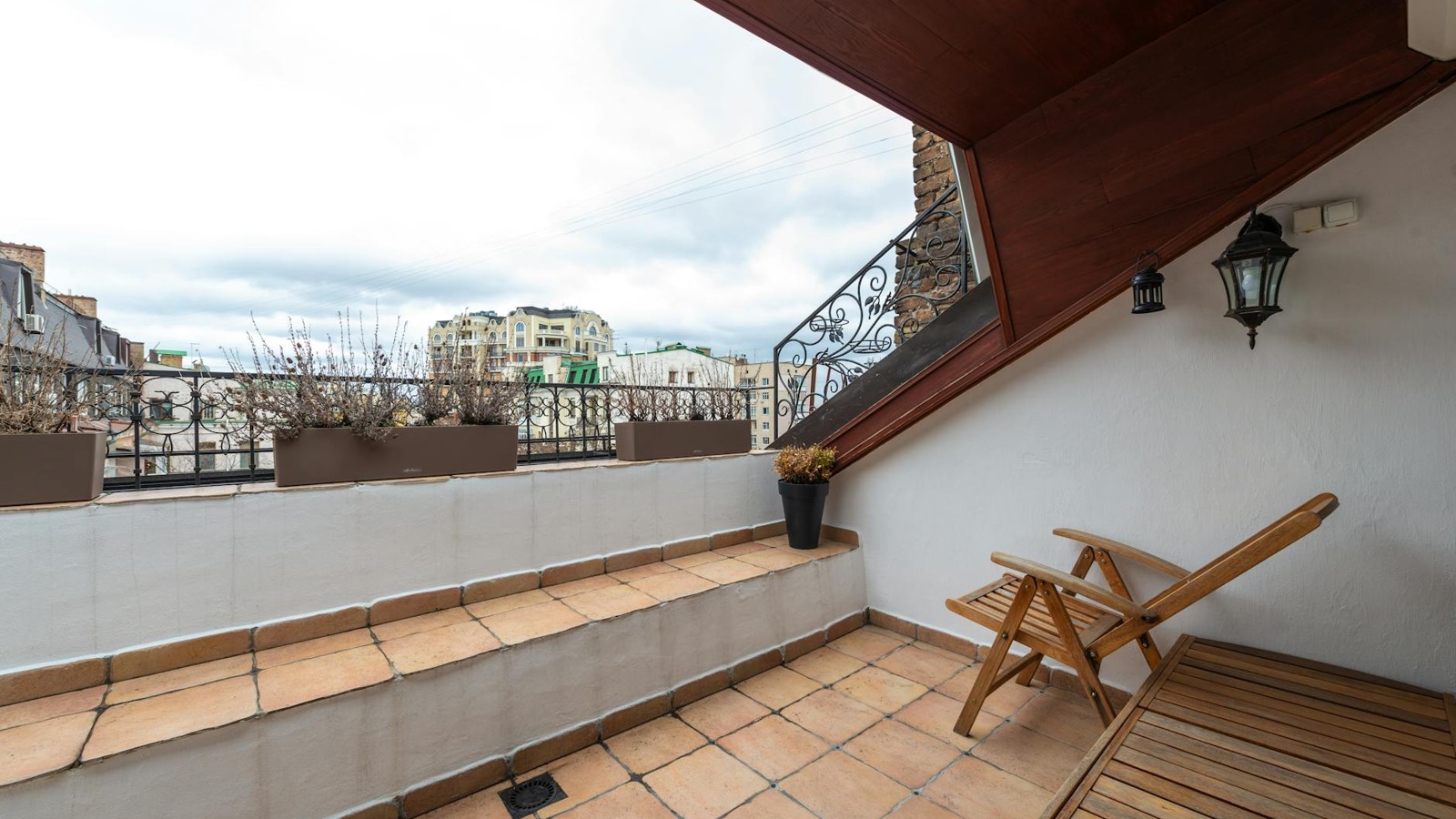
Balcony cleaning sounds easy until the first bucket of dirty water runs over the edge and lands on your neighbour's awning. In apartment buildings, that is usually the moment a simple spring tidy-up turns into an argument. After winter, a balcony in Prague is rarely just dusty. You get pollen, black city grime, bits of leaves, old soil from planters, and sometimes residue blown in from salted pavements. If you rush the job, you can damage the tiles, loosen the grout, clog the drain, and leave the floor slippery for days.
What to check before you reach for a bucket of water
Honestly, the biggest mistake people make is grabbing a wet mop way too soon. I have seen it dozens of times. You get all enthusiastic because the sun is finally out, you pour a bucket of soapy water onto the tiles, and suddenly you are not cleaning, you are just pushing grey sludge into the corners. Before you even touch a drop of water, you need to do a walk-through.
I usually look at three specific things: the drain, the grout, and the general state of the surface. If that drain is already stuffed with dead leaves and that fine, sandy winter dust, adding water is just going to make a plug that you will have to dig out by hand later. It is much easier to just scoop the dry stuff out while it is still loose.
It doesn't really matter if you are living in an old brick building in Vinohrady or a brand new development in Holešovice. The problems are just different. The older balconies often have grout that has seen better days. It might be crumbly or have tiny hairline cracks you can barely see until you get down there. On the other hand, the newer buildings tend to collect this incredibly fine construction dust that turns into a sticky paste the second it gets damp. Neither of those situations is helped by a massive, aggressive rinse.
You also need to clear the deck completely. And I mean everything. Move the heavy planters, the folding chairs, the outdoor rugs, and even the cat's water bowl. The worst grime always hides where the air doesn't circulate. I once worked on a balcony in Prague 3 where a thick rubber mat had been sitting since October. When we finally lifted it, the tiles underneath were covered in a green, slimy film that was so slick it was dangerous. From the doorway, it looked fine. But that one hidden patch was an accident waiting to happen.
This is also the part where I tell people to put the pressure washer away. I know it’s tempting. It feels fast and satisfying to blast the dirt off. But unless you are 100% sure about the condition of your floor and your grout, a pressure washer can do a lot of expensive damage in a very short time. It can knock out loose grout, chip older tiles, or even force water into cracks where it shouldn't go. Same goes for those heavy-duty "industrial" cleaners. They might get a stain out, but they can also bleach your railings or leave permanent white marks on the concrete that you’ll be staring at all summer.
The right order for spring balcony cleaning
The core rule of cleaning any outdoor space is pretty simple, though people ignore it constantly: get the dry dirt off before you introduce the wet stuff. If you skip the sweeping and go straight to the mopping, you are essentially just making mud and spreading it around.
Start with a decent brush or even a vacuum if you have one that can handle a bit of grit. You want to get all the big stuff first, leaves, twigs, those weird clumps of spider webs, and the thick dust that collects along the edges and in the drain. Be especially careful with pollen. It looks like harmless yellow powder, but it has this annoying habit of turning into a sticky, stubborn film the moment it gets wet. If you can sweep up 90% of it while it's dry, the rest of the job becomes ten times easier.
Once the floor is swept, look up. You want to clean the railing, the windowsills, and the ledges before you wash the floor. If you do it the other way around, you will just be dripping dirty water onto your freshly cleaned tiles. I usually just use a microfibre cloth and a bucket of lukewarm water with a tiny splash of normal dish soap. You don't need anything fancy. Just avoid those green abrasive pads on any painted or coated surfaces. They leave tiny scratches that you won't see at first, but those scratches will catch the next wave of city soot and make the surface look dull and dirty again within weeks.
Only when the upper parts are wiped down should you start on the floor. And please, don't flood the place. Work in small sections. A mop that is wrung out well, or even a soft brush for the stubborn spots, works much better than dumping water everywhere. I always recommend using the two-bucket method: one with your cleaning solution and one with plain water to rinse your mop. It sounds like extra work, but it is the only real way to avoid those annoying grey streaks that show up once the tiles dry.
When you are done, use the mop to pull any standing water toward the drain and then give it a rest. Don't walk on it immediately. There is nothing more frustrating than finishing a careful clean and then having someone walk across the damp floor in muddy slippers.
How to clean different surfaces without causing damage
You have to treat your balcony materials with a bit of respect. What works for a concrete slab will ruin a wooden deck.
Tiles
Most of the ceramic tiles you find on Prague balconies are pretty tough, but they aren't invincible. A soft brush and some pH-neutral cleaner are usually your best bets. If you have greasy marks—maybe from a summer barbecue or just leaky plant pots—you can try a bit of baking soda mixed into a paste. But don't let it sit there for an hour. Scrub it gently and rinse it off. For porous tiles, like some types of natural stone or unglazed ceramic, you have to be even more careful. It's always better to do two gentle cleans than one aggressive one that might leave a permanent mark.
Wood and deck tiles
Wood is a whole different beast. Whether it's expensive teak or those IKEA snap-together tiles, wood hates being soaked. If you leave puddles on a wooden floor, you are asking for rot or warping. Use a damp cloth, maybe a very soft brush, and a cleaner specifically made for wood. If the wood looks grey and tired after the winter, that is usually because the oil or finish has worn off. More scrubbing or more water won't fix that—it just needs a new coat of oil once it's clean and dry.
Synthetic rattan
This stuff is everywhere because it handles the weather well, but it is a total magnet for dust. The weave traps everything. My advice is to vacuum it first with a brush attachment. If you go straight in with a wet cloth, you just push the dust deeper into the gaps. Once it's vacuumed, a quick wipe with a mild soapy solution usually does the trick. Stay away from bleach; it can make the plastic brittle and cause the colour to fade in the sun.
Metal
Metal railings and furniture are prone to rust, especially where the paint has chipped over the winter. Don't drench them. Use a cloth so you can control where the water goes. If you see water pooling around screws or joints, dry it off immediately. It only takes a few days of standing water to start a rust spot that will be a pain to fix later.
I also want to mention the grout again. If the grout between your tiles looks dark, soft, or like it is starting to crumble away, do not go at it with a stiff wire brush. You aren't "cleaning" it at that point; you are just removing what's left of the material. Light cleaning is fine, but if it's falling apart, you might need a small repair job rather than more elbow grease.
Keep your cleaning kit simple. Dish soap, a bit of baking soda, and maybe some vinegar for limescale spots—though be careful with vinegar around stone or sensitive grout. You don't need a cabinet full of toxic chemicals to get a good result.
The most common mistakes in apartment buildings
The "waterfall" effect is the most common issue I see. You're working away, feeling good about the progress, and you don't realize that a steady stream of dirty, soapy water is pouring off the side of your balcony onto the neighbour's laundry or their expensive patio set. It is a quick way to start a feud. If your balcony doesn't have a high lip or a reliable drain system, you have to work in very small sections and use as little water as possible.
Then there is the drain itself. Most people clean everything except the drain. They push the dirt toward it and then wonder why the balcony floods during the first big April rainstorm. A blocked drain keeps the floor damp for way longer than it should be, which leads to algae growth and can even cause water to seep under the tiles and lift them up when the temperature drops.
Slippery floors are another big one. Even if the tiles look clean, a thin residue of soap or a bit of leftover pollen can turn the balcony into an ice rink. I've seen people take nasty spills because they didn't rinse the floor properly. This is really important if you have kids or elderly family members visiting.
And finally, watch the weight. Spring cleaning often involves moving a lot of heavy stuff around. If you pile up twenty heavy pots, three buckets of water, and a couple of bags of new soil all in one corner of an old, cantilevered balcony, you are putting a lot of stress on that structure. It’s better to spread the load out while you work, especially in those beautiful but aging buildings in districts like Vinohrady or Žižkov.
How to keep a balcony clean through the summer
The trick to a nice balcony isn't one massive deep clean every year. It’s about not letting the grime build up in the first place. If you spend just five or ten minutes once a week, you'll never have to do a "hellish" spring clean again. Sweep the floor, wipe the dust off the table, and check that the drain isn't getting blocked by stray petals or leaves.
If you live near a busy road in Prague, city soot is your main enemy. In that case, I'd suggest keeping fewer textiles outside. Rugs and cushions look great, but they are essentially sponges for soot and pollen. Unless you use them every day, keep them in a storage box or just bring them out when you actually need them.
Always use saucers under your plants. It prevents those stubborn brown water rings that are a nightmare to get off once they bake into the tiles in the July sun. And if you spill any soil while you're repotting your geraniums, clean it up right then and there. Once it gets wet and dried a few times, it becomes like concrete.
Sometimes, though, a balcony is just too far gone, or you might have a tricky surface that you don't want to risk damaging. Or maybe you just don't have the time to spend a whole Saturday scrubbing. If that's the case, getting some professional help can save you a lot of stress. ČistýKout is a solid Prague-based option for this. We can do a proper seasonal reset without the drama, making sure the tiles and grout stay intact and your neighbours stay happy. You can just fill out the contact form at cistykout.cz/kontakt to get a quote.
In the end, good balcony cleaning is more about being smart than being aggressive. It’s about doing things in the right order and knowing when to stop before you do more harm than good. Most people learn that the hard way, usually after they've ruined a patch of grout or upset the person living below them. Trust me, it’s much better to take it slow and do it right.