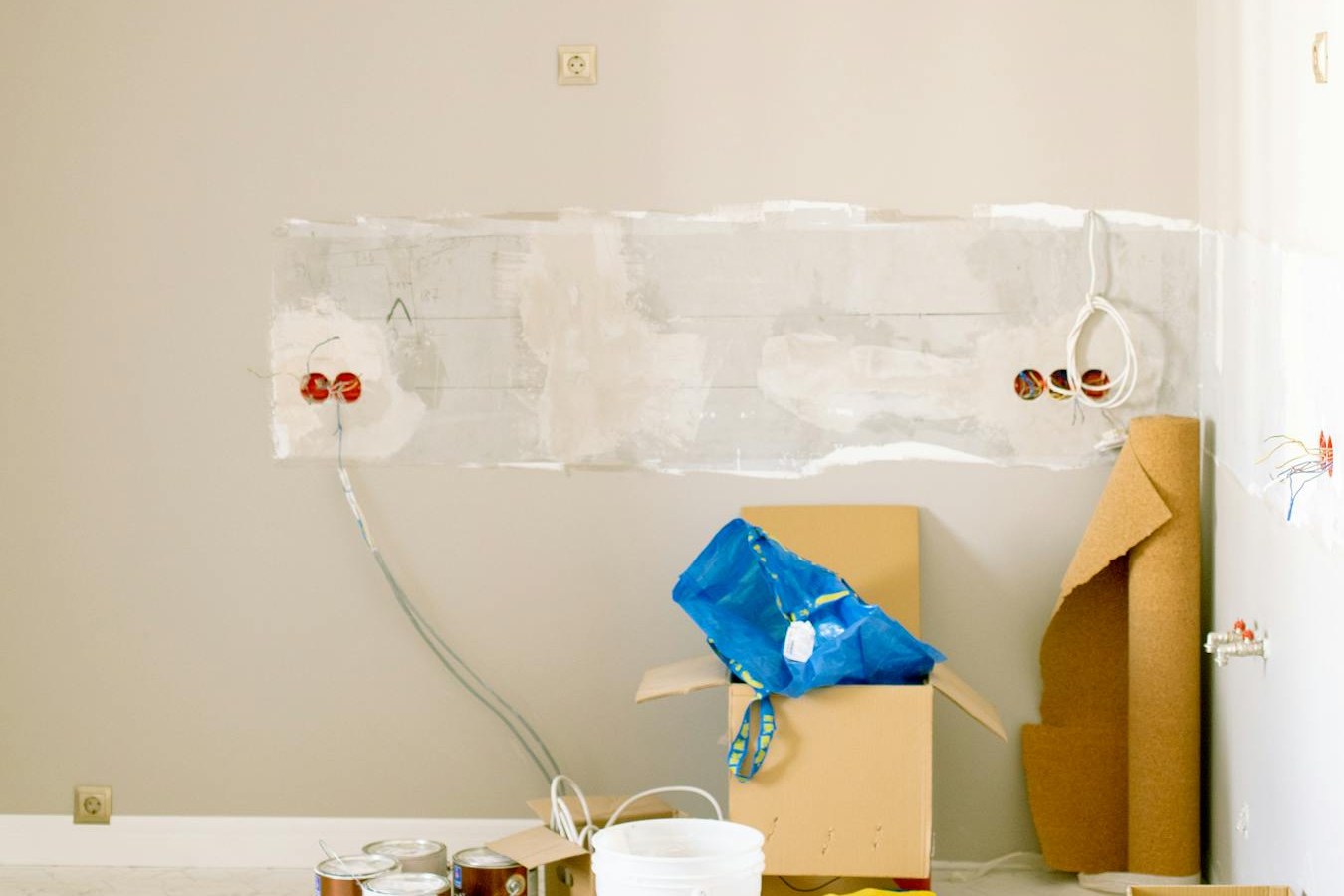
Cleaning after painting sounds easy until the light hits the room properly. That is usually the moment when people notice the real problem. Not the empty paint cans. Not the tape. Not even the visible debris. It is the fine dust after painting, the pale film that settles on door tops, windowsills, drawer runners, fabric, and electronics long after the contractors leave.
After a floor replacement, kitchen installation, local wall repair, or a weekend repaint, most homes are left in a frustrating middle state. The work is finished, but normal life cannot quite restart. Construction dust at home moves differently from ordinary household dust. It floats, settles, lifts again, and sneaks into places people do not think to check. Start in the wrong order and you spread it through the flat, leave white haze on hard surfaces, and sometimes shorten the life of a regular vacuum in one bad afternoon. So this is not a generic post renovation cleaning article. It is a practical decision guide for households that want to know what to do themselves, how to clean after contractors without making the situation worse, and when it is smarter to contact ČistýKout through the contact form.
Why fine dust after painting is a different problem from normal mess
Normal mess is at least honest. Crumbs sit on the table, shoe marks stay on the floor, and shelf dust behaves like shelf dust. After painting or a small renovation, the mess is less dramatic and more annoying. The main trouble comes from plaster dust, sanding residue, drilling powder, paint particles, or tiny fragments from cutting trim and boards. It is dry, light, and surprisingly persistent.
It settles on horizontal surfaces first, but it does not stay there. It works its way into curtains, mattresses, sofa fabric, wardrobe tracks, sockets, radiator fins, and the edges of fitted furniture. In an older Prague panel building after concrete drilling, the whole flat can end up with a grey cast. In a newer apartment after kitchen fitting, the dust often mixes with fine laminate sawdust and packaging debris. The place may not look terrible. That is exactly why people underestimate it.
Honestly, this is the point where most households get caught out. They do one quick vacuum, mop once, and assume they are done. Then an hour later there is a white film back on the television stand or the black kitchen hob. Fine dust after painting does not behave like normal dust from a bookshelf. Some of it sits on surfaces, some of it gets lifted again by movement, and some of it passes straight through weak vacuum filtration and comes back into the air.
There is also a health and comfort angle. In homes with allergies, children, or people working from home, the problem is not abstract at all. The flat feels unfinished because it is unfinished. Electronics add another risk. Routers, televisions, laptops, speakers, game consoles, bathroom vents. If you wipe those glossy or lacquered surfaces before removing the grit properly, the dust behaves like a very mild abrasive. Smears are irritating. Fine scratches on a new cabinet or screen are harder to forgive.
How to plan cleaning after painting properly
The first mistake is speed. Contractors leave, the noise stops, everyone is relieved, and the instinct is to get the home back in order immediately. That is understandable. It is also usually the wrong move. A short pause helps. Ventilate properly, let the lightest dust settle, and get your tools ready before you start. If you keep walking from room to room looking for another cloth or bin bag, you are just carrying dust into cleaner areas.
A simple setup goes a long way:
- a vacuum with the best filtration available, ideally HEPA
- several clean microfiber cloths
- fresh water that can be changed often
- a gentle cleaner for delicate finishes
- rubbish bags for tape, plastic sheeting, cardboard, and packaging
- gloves and, if the dust load is heavy, a mask or respirator
Do not begin with the floor. I know that sounds backwards because the floor is usually what looks worst first. But once you start wiping higher surfaces, everything falls back down. In a Prague flat after decorating work, that single mistake can turn a tidy two hour cleanup into a lost weekend.
It helps to split the flat into a work zone and a cleaner zone. If the bedroom and hallway took the hit, do not drag dusty tools through the living room unless you have to. Bag up tape, sheeting, and packaging straight away. The less you carry around in the open, the less likely you are to spread the mess further.
A short working checklist keeps the job under control:
- ventilate briefly and let the lightest dust settle
- remove waste, plastic sheeting, and packaging first
- start high, not at floor level
- collect dust dry before doing damp cleaning
- leave floors, doors, and glass until the end
- check the flat later in side light
This is also the right moment to be blunt with yourself. Do you actually have the time and equipment for the job? If you still have furniture to assemble, school runs to manage, or a move-in deadline coming fast, post renovation cleaning in Prague can be the cheaper decision once you count stress, time, and the cost of fixing avoidable surface damage.
In what order to clean surfaces so the dust does not come back
This is where the top-down rule matters. Start with ceiling corners, light fittings, curtain rails, upper cabinet edges, wardrobe tops, door frames, and the top edges of doors. Move to the walls only if dust or tiny paint marks remain there. Then do furniture, windowsills, sockets, skirting boards, and leave the floor until last. Reverse that order and you rebuild the problem yourself.
It also helps to separate dry cleaning from damp cleaning. If you use water too early on a heavier layer of fine dust, you make grey paste. That paste gets pushed into textured sills, hardware edges, skirting joins, and all the awkward corners you later have to clean again. Most surfaces do better with vacuuming or a dry microfiber pass first, followed by light damp finishing.
Plastic sheeting and masking tape need patience too. Vacuum loose dust around them before you remove them. Rip everything up at once and you send another cloud back into the room. The same goes for small paint spots or dried filler residue. The first sharp scraper you find in a kitchen drawer is rarely the right answer. On lacquered wood, vinyl, glossy doors, or glass, impatience gets expensive fast.
A client near Vinohrady once told me she had already mopped the floor three times and still felt the apartment was dusty. The floor was not the real issue. The radiator grille was dusty. The top of the built-in wardrobe was dusty. The light fitting above the dining table was dusty. Once those upper surfaces were dealt with properly, the final floor pass finally stayed clean. The order is not a detail. It is the whole job.
If you need a simple rule to remember, use this one: clean the least visible high surfaces first, the most exposed low surfaces last. That is how cleaning after painting stops feeling endless.
How to clean floors, doors, and glass without smearing paint or leaving film
Leave the floors until the end, but do not rush them. Wood floors, vinyl, and glossy finishes do not respond well to rough handling. If fine plaster particles or grit are still sitting on the surface, hard scrubbing pushes them around and into the finish. A thorough vacuum comes first. Light damp cleaning comes second.
Use as little water as possible on wood and vinyl. An over-wet mop is already a bad idea on a normal day. Right after decorating work it is worse. On glossy kitchen fronts, black appliances, and glass, the usual complaint is white haze. One lightly damp cloth followed immediately by a second dry one usually works better than trying to do everything with one cloth that becomes dirty halfway through the flat.
Paint splashes depend on the material underneath. On glass, it often helps to soften the mark first with a damp cloth before careful cleaning. On doors, trim, or painted frames, always test gently in a discreet spot first. This sounds cautious because it is cautious. But a careful extra hour is cheaper than damaging a brand new floor or internal door.
That pale film often shows up properly only later in the day when side light hits the room. So once the surfaces dry, do one more control pass. Evening light across floors and windows is brutally honest. If something still looks cloudy then, it needs another careful wipe, not more aggressive scrubbing.
The places people forget after contractors leave
The missed areas are rarely the obvious ones. They are the details: switches, sockets, skirting boards, radiators, lights, door frames, wardrobe runners, the tops of kitchen cabinets, and the insides of drawers. After kitchen installation, dust almost always ends up on top of upper cabinets and inside drawers that stayed open while people worked. After new flooring, it often hides under the bed or behind furniture that only moved a little.
Then there is fabric and upholstery. A sofa may look clean, but the moment someone sits down, another small cloud appears. Curtains, throws, cushions, mattresses, upholstered dining chairs - they all trap dust later than people expect. They do not always need specialist treatment, but they do need proper vacuuming and sometimes washing. The same is true for extractor hood filters, AC units, or air purifiers. Ignore those and you can blow construction dust at home right back through the flat after everything else seemed finished.
A good home test is simple. In the evening, turn on a side lamp and run your finger along the top edge of a door, the window frame, a switch plate, one upper drawer, and the radiator. If that dusty film still appears, the flat is not really ready for normal life yet. That is not perfectionism. It is just an honest test.
And if the whole renovation has already drained your energy, it is reasonable to think one step ahead about regular home cleaning support. Not as a forced upsell. More as a way to stop the flat from feeling dusty and half-finished for another week.
When professional post renovation cleaning starts to make sense
A home cleanup is fine after repainting one room if you have time, decent equipment, and forgiving surfaces. But there are situations where professional post renovation cleaning makes better practical and financial sense. A larger area, delicate new finishes, very little time before move-in, or a household that needs to function again the next morning all push the decision in the same direction.
The first sign is your equipment. If the vacuum filter clogs after a few minutes, suction drops, and dust is still visible in the light, your setup is not enough. The second sign is the surface itself. Oiled wood, matte black kitchens, large glazed areas, or new vinyl floors deserve better filtration and a gentler hand. The third sign is time. If you need the home ready for real life by Monday morning, several rounds of follow-up cleaning can become the whole burden.
When you ask for a quote, be specific. Do not just say you need cleaning after painting. Say whether sanding happened, whether there was drilling or cutting, how many rooms were affected, what the floors are made of, whether textiles stayed in place, and how quickly the flat needs to be usable again. That gives a cleaning team a fair shot at estimating time, staffing, and the right level of filtration.
My blunt rule is simple. If you are spending more energy worrying about how not to damage the new surfaces than actually finishing the cleanup, you are probably past the point where DIY still makes sense. That is when it helps to send a no pressure request through the contact form. ČistýKout is a Prague based cleaning option for exactly this kind of situation, the kind where the flat does not look disastrous after the contractors leave but the dust is absolutely everywhere. Those are often the jobs that eat the most time at home.