
Most deposit disputes do not start with a dramatic disaster. They start with a landlord opening the oven, pulling out the fridge drawer, looking at the limescale around the tap, and deciding the flat was not really ready for handover. I see this pattern all the time in Prague rentals. Tenants say they cleaned. Landlords say they still need to arrange extra cleaning. Somewhere in between sits the real issue: cleaning apartment before handover is not the same thing as doing a quick tidy before you return the keys.
What a "clean flat" actually means at handover
On paper, the expectation sounds vague. Leave the flat clean. In practice, it is surprisingly concrete. A landlord or property manager walks through an empty space and notices the details that disappear in daily life: grease above the hob, dust along skirting boards, crumbs inside drawers, water marks on shower glass, fingerprints on switches. Empty rooms are brutally honest.
That is why the line between normal wear and poor cleaning matters so much. Normal wear might mean slightly worn flooring, a worktop that shows age, or minor signs of use that come with ordinary living. Neglected cleaning is something else. A greasy extractor hood filter, soap residue in the shower, grime inside the washing machine drawer, stains in the fridge, or dirt packed into corners will not be treated as wear. They will be treated as a job someone still has to do.
Landlords tend to focus on what affects the next impression immediately. Does the bathroom feel hygienic? Does the kitchen smell fresh? Do the appliances look maintained? Are the windows and floors ready for the next tenant, or do they suggest a rushed exit? A fast wipe of visible surfaces rarely solves that. Honestly, that is where many move-out checklist plans fail. They are built around speed, not scrutiny.
I have also noticed something slightly annoying but true. The biggest arguments do not happen in trashed flats. Those are obvious. The real friction happens in flats that look "mostly fine" until someone starts opening things. Once a landlord feels they may need to pay for extra work, the deposit return apartment conversation gets tense very quickly.
The rooms that shape the inspection
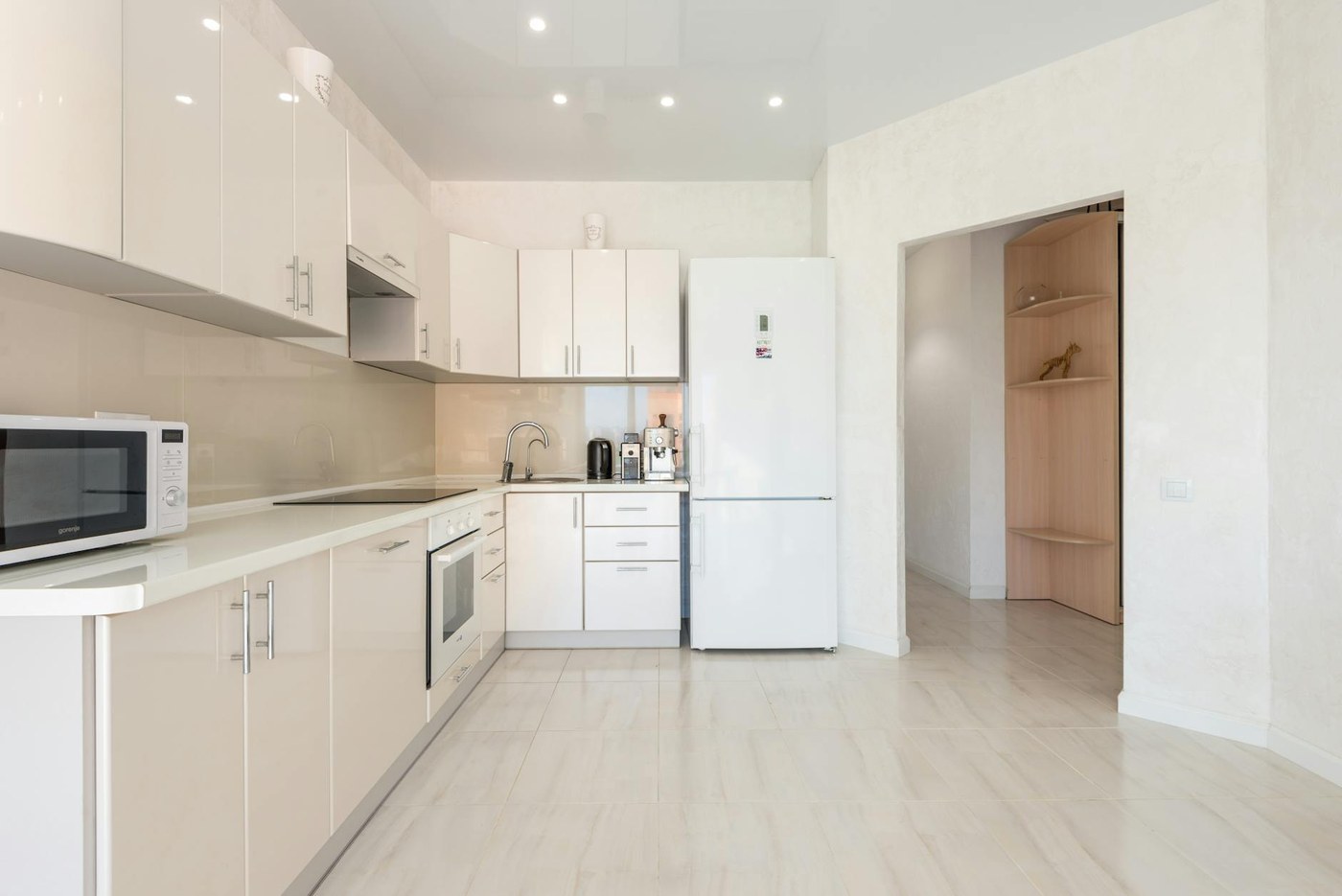
If I had to pick the two areas that decide the mood of a rental apartment handover, I would pick the kitchen and the bathroom every time. The kitchen carries grease, food odours, sticky residue, and all the places people mean to clean later but never do. During inspection, the obvious surfaces matter, but so do the less glamorous spots: inside cupboards, the top edges of cabinets, the oven door seal, the trays, the extractor hood, the sink overflow, and the fridge shelves.
A tenant in Prague 6 once thought the kitchen was ready because the counters, fronts, and floor looked clean. Then the agent opened the oven. Burnt grease. The fridge gasket still had crumbs in it. The upper cabinet edges held that dusty kitchen film you only see from the side. None of it was catastrophic. Together, it changed the whole tone of the inspection.
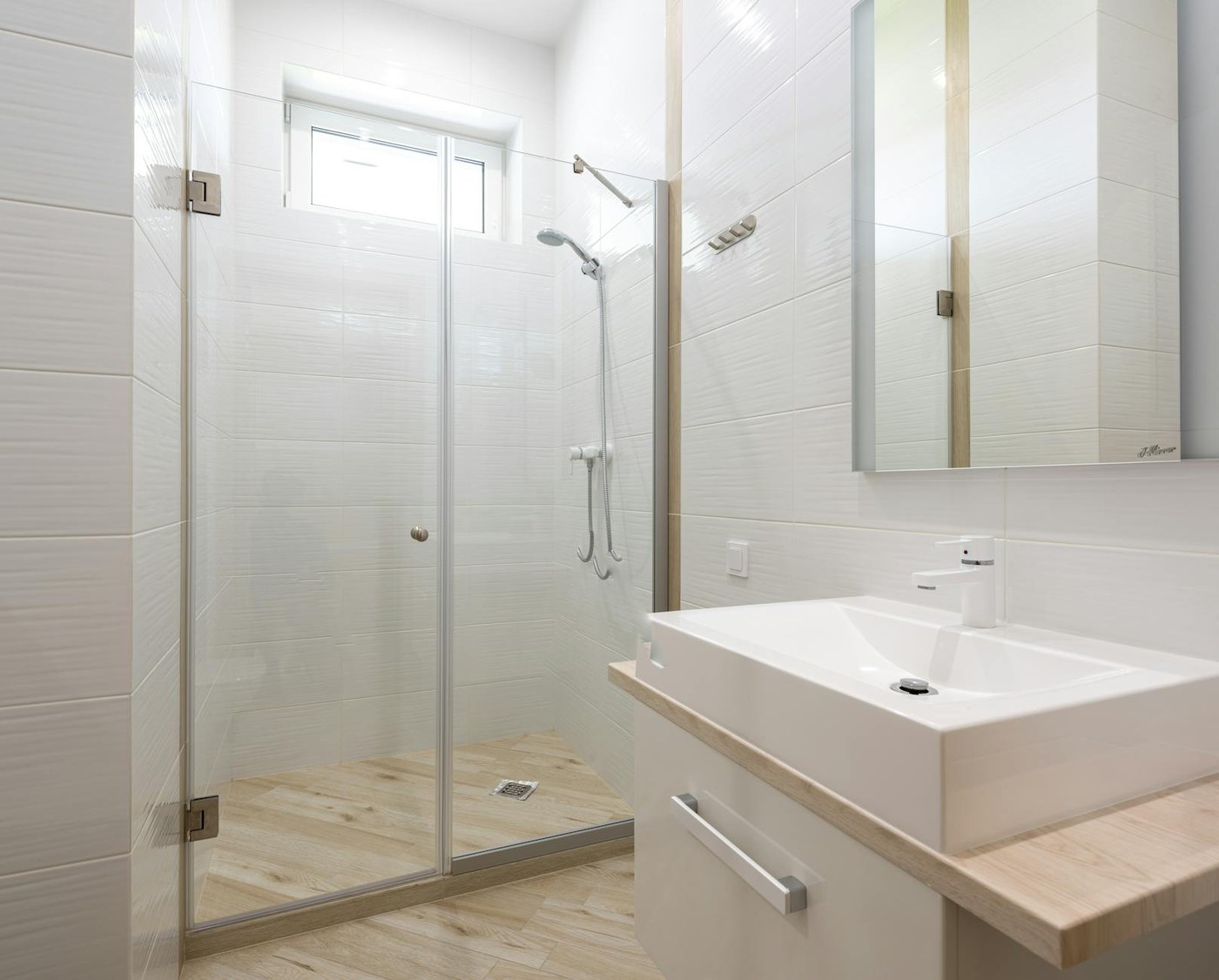
Bathrooms trigger the same reaction. People notice limescale immediately. They notice hair in the drain, cloudy taps, marks on the mirror, residue around the toilet base, and damp smells that tell them the room was not finished properly. If the flat includes a washing machine, the detergent drawer and rubber seal matter more than most tenants expect.
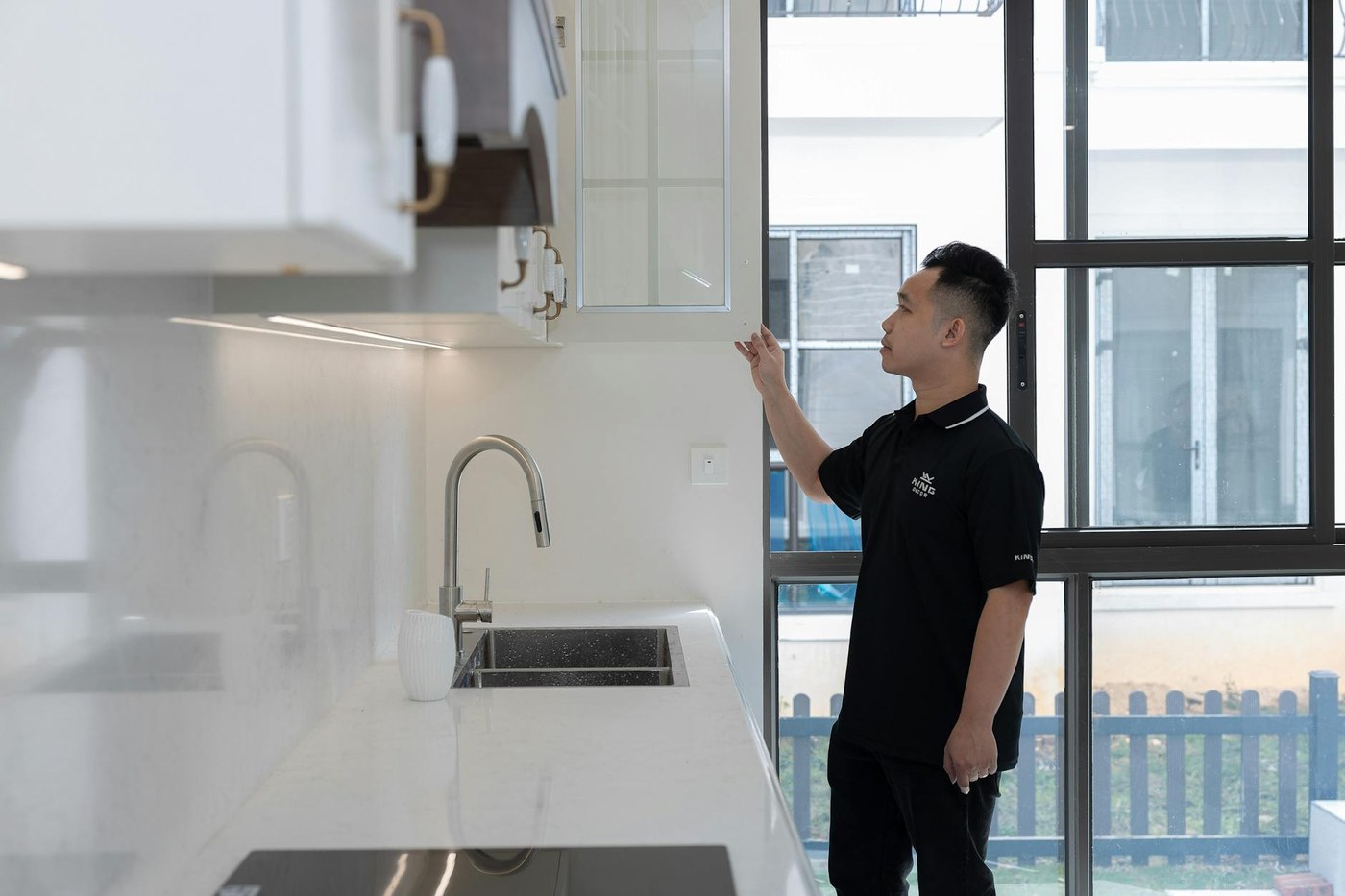
Then come the missed details. Drawers. Wardrobes. Corners behind doors. Radiator edges. window sills after the windows were washed. Light switches. Handles. Blinds. The cupboard under the sink. These are not minor extras during end of tenancy cleaning. They are credibility checks. If those forgotten areas are dirty, the landlord starts assuming the rest was rushed too.
The fastest way to tackle an empty flat is still the old professional rule: top to bottom, back room to front door. Start with high shelves, cabinet tops, light fittings, and sills. Then go deep on kitchen and bathroom. Clean the windows. Finish with vacuuming and mopping once everything else is done. Keep one fresh cloth for the last pass. It sounds fussy, but fresh footprints on a dark floor five minutes before the landlord arrives are a very real Prague move-out tradition.
Photo documentation and a checklist before handover
If you want less room for argument, document the condition before the keys change hands. Wide room shots are useful, but they are not enough on their own. Photograph each room and then the high-risk details separately: oven interior, open fridge and freezer, sink, shower screen, basin, toilet, inside wardrobes, floor near windows, meter readings, and any place that regularly causes comments.
Daylight helps. So does timing. I strongly prefer having the move-out cleaning finished the day before handover, not one hour before. That extra evening gives you time to spot what a tired brain misses: drips that dried on chrome, a smell in the fridge after defrosting, dust settling on a dark shelf, or streaks on glass that only show up once the sun hits.
My practical move-out checklist usually has four blocks:
- kitchen: oven, trays, extractor hood, fridge, freezer, sink, tap, cupboard interiors and fronts
- bathroom and WC: shower or bath, taps, glass screen, drain, toilet, mirror, grout, washing machine
- living areas: floors, sills, drawers, wardrobes, corners, radiators, handles, switches
- admin: keys, entry fobs, remote controls, meter readings, photos, handover report, landlord contact
This kind of list is not corporate nonsense. It helps when the last day gets chaotic, which it always does. You are moving boxes, dealing with lifts, timing the van, returning internet equipment, and trying not to leave a charger in the bedroom. In that mood, people confuse relief with readiness. A checklist cuts through that.
What to confirm in the handover report
The handover report matters more than people think. It is the written record of what was checked, what was returned, and what was flagged on the day. Read it properly. Confirm the state of appliances and furniture, the number of keys and entry devices, and the meter readings for electricity, gas, and water.
If there is any damage, make sure it is described precisely. The same goes for cleanliness comments. Push for specifics. "Flat not sufficiently cleaned" is vague and invites later arguments. "Limescale on shower screen" or "grease inside oven" is at least concrete. That difference matters if someone later tries to justify extra charges for broad post-handover cleaning.
If the flat is clean, odour-free, and fully emptied, that should be reflected clearly as well. It also helps to note that all rooms and appliances were available for inspection and that all keys were handed back. Boring details, yes. Useful details too.
When professional cleaning makes sense
There are cases where paying for professional end of tenancy cleaning is simply the more rational move. Heavy grease in the kitchen. Old limescale. Full-window cleaning in a larger flat. Multiple rooms with built-in storage. A 3+kk layout when you are already balancing movers, work, and the handover itself. At that point, you are not deciding between free and paid. You are deciding between controlled cost and deposit risk.
In Prague, the places that most often tip people over the edge are ovens, bathroom scale build-up, and windows. Those are time-heavy, detail-heavy, and very visible during inspection. If losing part of your deposit would cost more than arranging a proper cleaning service, the decision is not that complicated.
The smart request is not just "I need a cleaner." Ask for a service focused on rental apartment handover, with attention on kitchen grease, bathroom limescale, appliances, windows, and a final inspection-style checklist. That changes the standard of the job.
If you want a calmer handover and would rather not spend your last evening scrubbing the oven with mixed results, ČistýKout is a Prague-based cleaning option worth considering. You can use the contact form for a no-pressure enquiry and explain that the flat is being prepared for handover and deposit return.