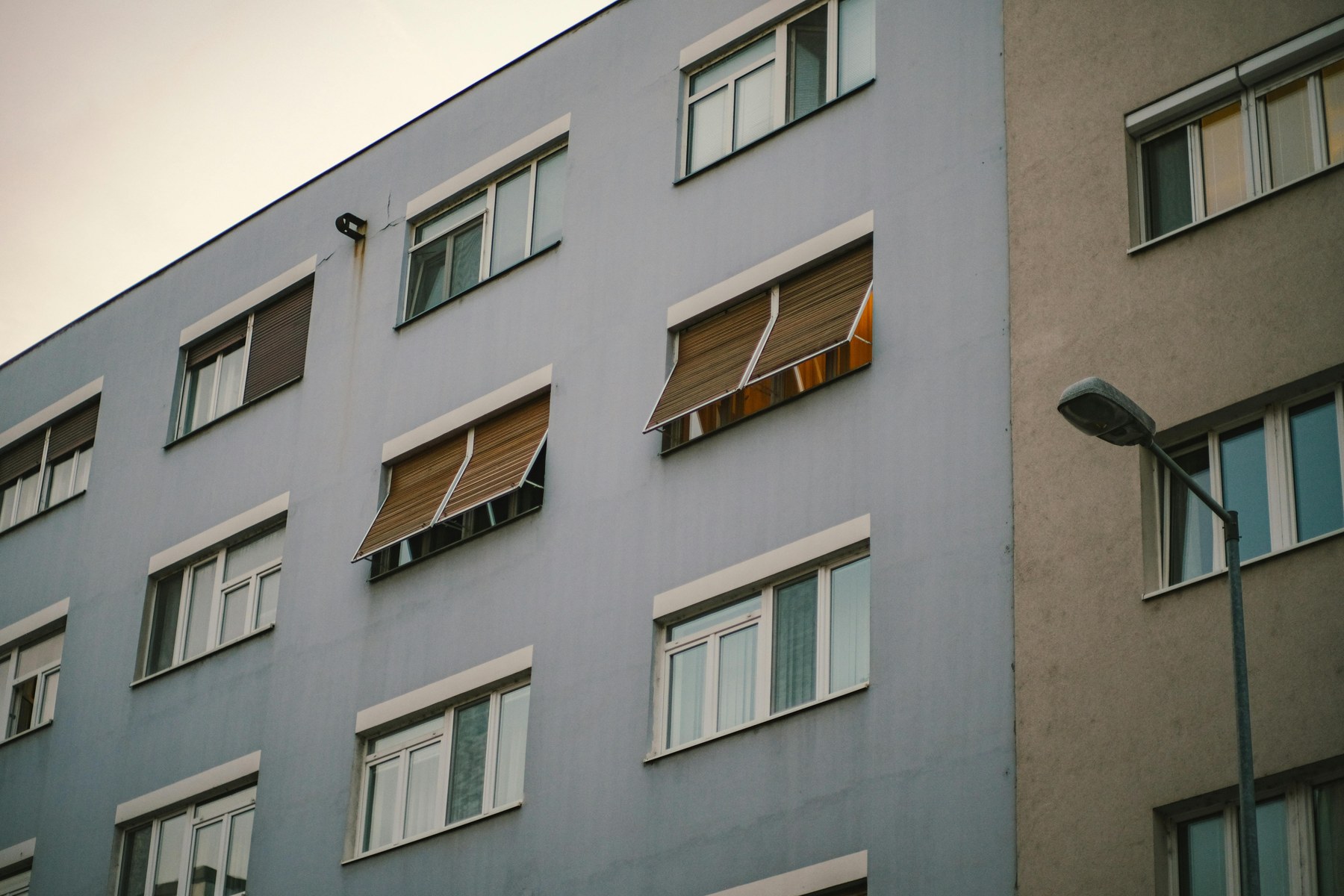
May is when cleaning exterior blinds suddenly stops being one of those "I'll do it later" jobs. You look out one morning and the slats have that pale yellow coat of pollen. Then it rains for ten minutes, the sun comes back, and now the pollen has dried into streaks. In Prague flats near a busier street, you also get the grey city dust on top. It is a silly amount of dirt for something that looked fine a week ago.
Anyone who has attacked exterior blinds with a sponge and a bucket knows the disappointment. They do not really get cleaner. The smudges just move around. I see it a lot in newer apartment blocks around Stodulky, Letnany, Modrany and similar places, where large windows and outdoor shading catch everything spring throws at them. Pollen sits on the slat edges, rain drags it into the corners, and one impatient scrub can leave little marks in the painted finish. Most of that spring dirt will come off, but only if you slow down at the beginning and treat the surface like painted metal, not garden furniture.
Why exterior blinds get dirtier in spring than in other months
Spring dirt is definitely not your ordinary dust.
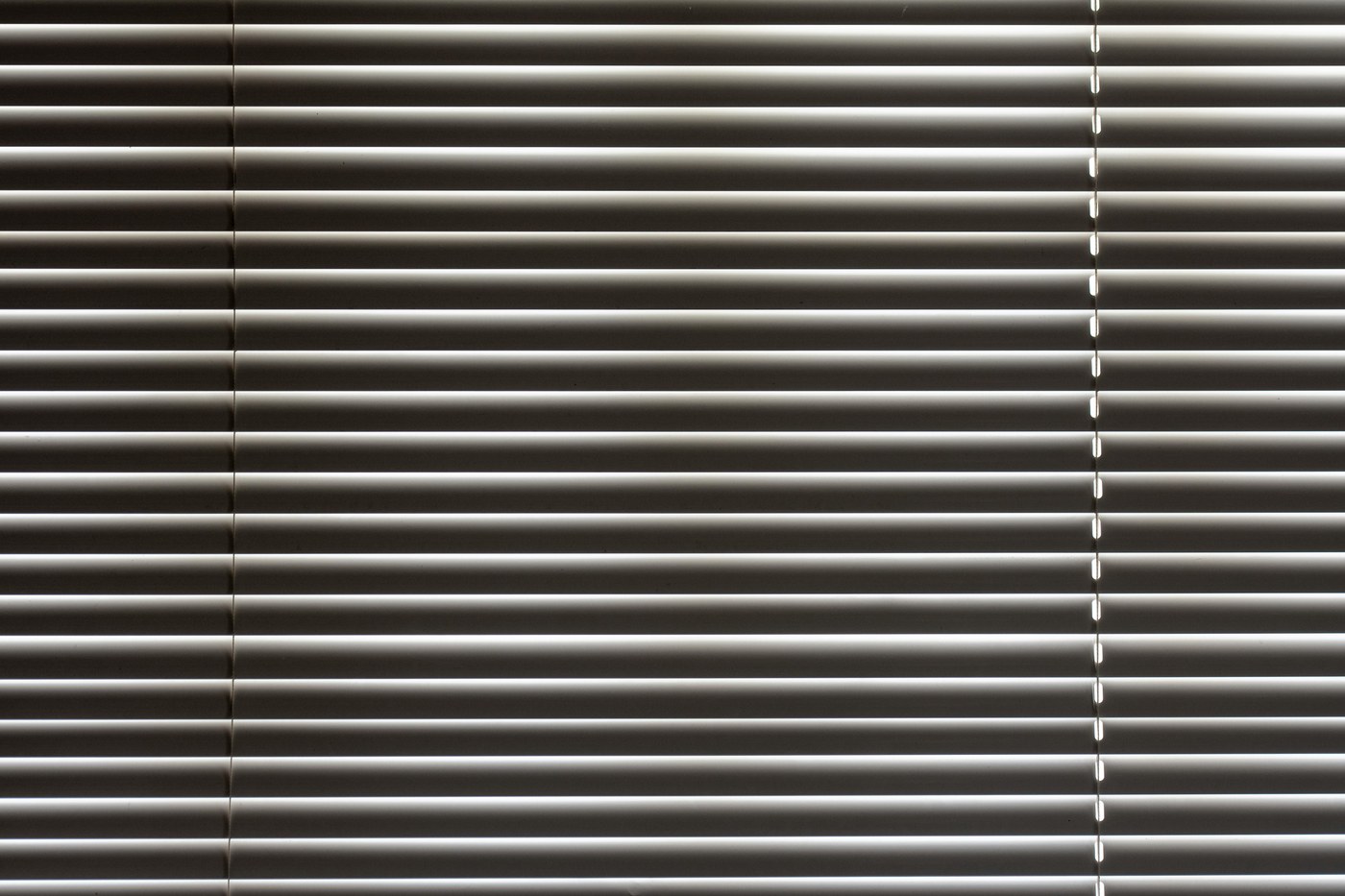
It is layered and annoying. Tree pollen, grass pollen, fine city grime and minerals from rainwater all land on the same thin slats within a few days. That is why exterior blinds after winter can look dull, sticky or blotchy rather than simply dusty.
The edges usually suffer first. Air moves strangely around the slats, and rain almost never dries evenly. On aluminium exterior blinds, dried drops show up fast. Dark colours make mineral spots look sharper. Light colours are kinder with water marks, but then they show the yellow pollen film instead. You may not even notice it until you run a finger along one slat and see what comes off.
There is also a big difference between ordinary loose grime and pollen film. That messy mix of exterior blinds pollen, fine dust and moisture behaves very differently from ordinary dirt. Loose dust can often be lifted away dry, or with a barely damp microfiber cloth. Pollen is finer and tackier. Add too much water too soon and it turns into a paste. Then you wipe, it spreads, you wipe again, and somehow the blind looks worse. That is the point where people usually blame the detergent, when the real mistake happened before any detergent was used.
Czech spring weather makes the whole thing worse. A few dry warm days, then wind, then a short shower, then strong afternoon sun. If your windows face trees, a courtyard garden or steady traffic, the buildup can get ugly quickly.
What to prepare before you start
You do not need some expensive professional kit for blinds cleaning without damage. A soft brush or decent duster, two clean microfiber cloths, a bucket of lukewarm water, a gentle neutral cleaner and a small spray bottle are enough for most homes. Put an old towel under the window or across the sill too. Dirty water has a talent for landing exactly where you hoped it would not.
Skip the aggressive stuff. No abrasive sponge, no scouring pad, no chlorine cleaner, no heavy degreaser that smells like it belongs in a workshop. Lacquered and aluminium finishes do not take kindly to that treatment. Sometimes the damage is not obvious right away. A week later you spot dull areas or tiny scratches, and those rougher areas start catching even more dirt.
For most blinds, a homemade mix is fine: lukewarm water with a few drops of mild dish soap, or a cleaner made for exterior blinds. A few drops means a few drops. If the bucket turns foamy, you are just creating extra rinsing work and, probably, new marks once the soap dries.
And please take access seriously. A ground floor terrace is one thing. Leaning out of an upper floor window to reach the side rail is another. Top corners are not worth a fall. The same goes for a ladder on wet paving or soft garden soil after rain. If you cannot reach the blind calmly and safely, that is no longer a normal DIY cleaning job. That is the moment when paid help becomes the sensible option, not a luxury.
The right cleaning process, step by step
Start dry. It sounds too simple, which is probably why people skip it, but this is the part that saves the finish.
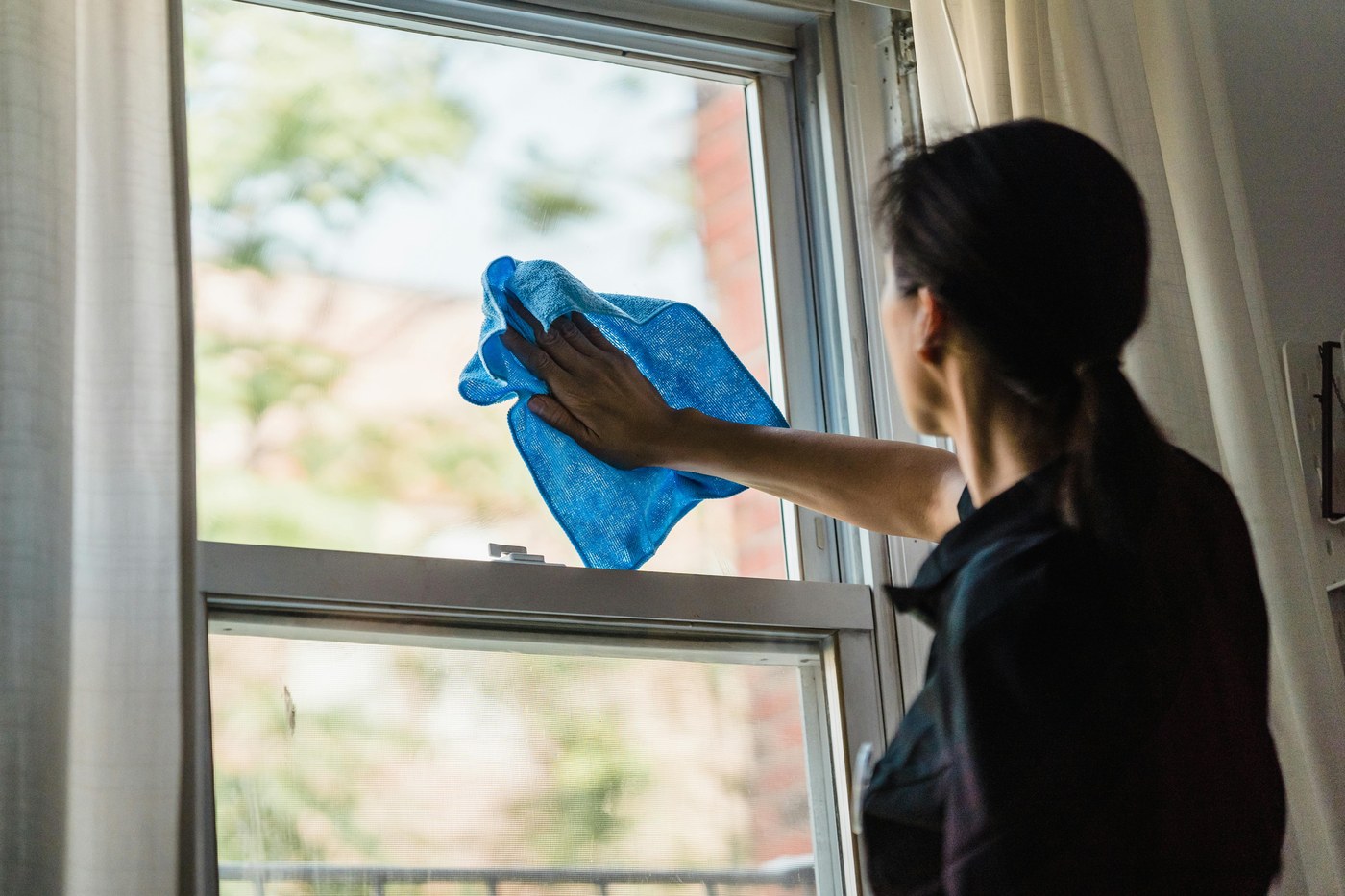
Raise the blinds fully or tilt them so the slats are easy to reach. Use a soft brush, duster or dry microfiber cloth to lift off loose pollen and dust first. Move along the slat, not against it, and keep your hand light. You are removing dirt, not polishing a pan.
For a thin layer of pollen, clean water and a microfiber cloth may be enough. For dried rain marks or that sticky city coating, use the gentle cleaner. Spray it onto the cloth, not straight onto the blind. You get more control that way, and less water ends up sitting inside the frame or guide rails.
Work from top to bottom. Clean one side of each slat, adjust the angle, then do the other side. Yes, it takes longer than blasting everything with a hose. It also avoids bent parts, scratched paint and water pushed into places where it should not be. For the side guide rails, fold a microfiber cloth into a narrow edge or use a small soft brush. That is where pollen and fine debris love to hide.
The headbox at the top is easy to forget. Then the first windy day drops dirt back down onto the clean slats and it feels like the whole job was pointless. If you can reach the lower edge safely, wipe it. If you cannot reach it without leaning out, leave it and mention it when asking for professional cleaning.
After washing, skip the dramatic rinse. Exterior blinds are not patio chairs. Wipe away leftover moisture with a dry cloth and let the slats finish drying on their own, ideally when the sun is not hitting the metal head-on. When the surface is hot, water flashes off and the spots stay behind.
If someone at home deals with allergies, I would not wait for a thick yellow layer to build up. Better to do a quick pass once a week than spend half of Saturday scrubbing in June. The heavier the pollen sits, the more of it you stir back toward the room while cleaning.
The most common mistakes that damage blinds
Strong water pressure is the classic mistake. At a family house, the hose is already there and a pressure washer looks like the fast answer. It can also force water into the wrong places, bend delicate parts or mark the painted finish. In a short video that may look satisfying. On real exterior blinds, it is a bad bet.
Rough sponges and harsh chemicals are next. When people reach for an industrial strength cleaner, the problem is usually not that the blind needs stronger chemistry. It is that the dry pollen and dust were never removed. Grind that mix into the surface with a rough sponge and you get fine circular scratches. Once the finish is rougher, it holds dirt even better.
Timing causes plenty of damage too. How to clean blinds in direct sunlight? Honestly, do not. Choose an overcast morning, late afternoon or a bright day when the sun is not hitting the slats directly. Cleaning solution dries too quickly on hot metal and leaves marks behind. Dark finishes and top floor apartments with full sun are especially unforgiving.
Too much water is another quiet problem. Water collects in guide rails, corners and tiny gaps, then dries into new stains. People see the new stains, scrub harder during the second round, and the whole thing turns into a loop.
How often to clean blinds during pollen season
In a normal Prague flat, I would do a light touch-up every two or three weeks through the worst of the pollen season. Then give the blinds a more thorough clean in spring and, if they catch a lot of summer grime, again later in the year. Homes facing mature trees or an inner courtyard usually need attention sooner. Flats by heavier traffic pick up that grey dust film almost immediately.
For allergy households, the rhythm is a bit tighter. A quick weekly wipe during the peak makes sense, even if you skip the full wet clean most weeks. You are not chasing perfection here. You are stopping the pollen from settling into a thick layer that takes twice the effort to remove.
It also saves you work. Small maintenance is boring, yes, but it is easier and safer than one big scrub after weeks of neglect. If you are already planning spring window cleaning, do the exterior blinds on the same day or book both together. If you want more seasonal tips first, the cleaning advice articles are a useful place to start. The setup is half the work anyway.
When professional cleaning exterior blinds makes sense in Prague homes
Some jobs are no longer weekend DIY, and it is better to admit that early.
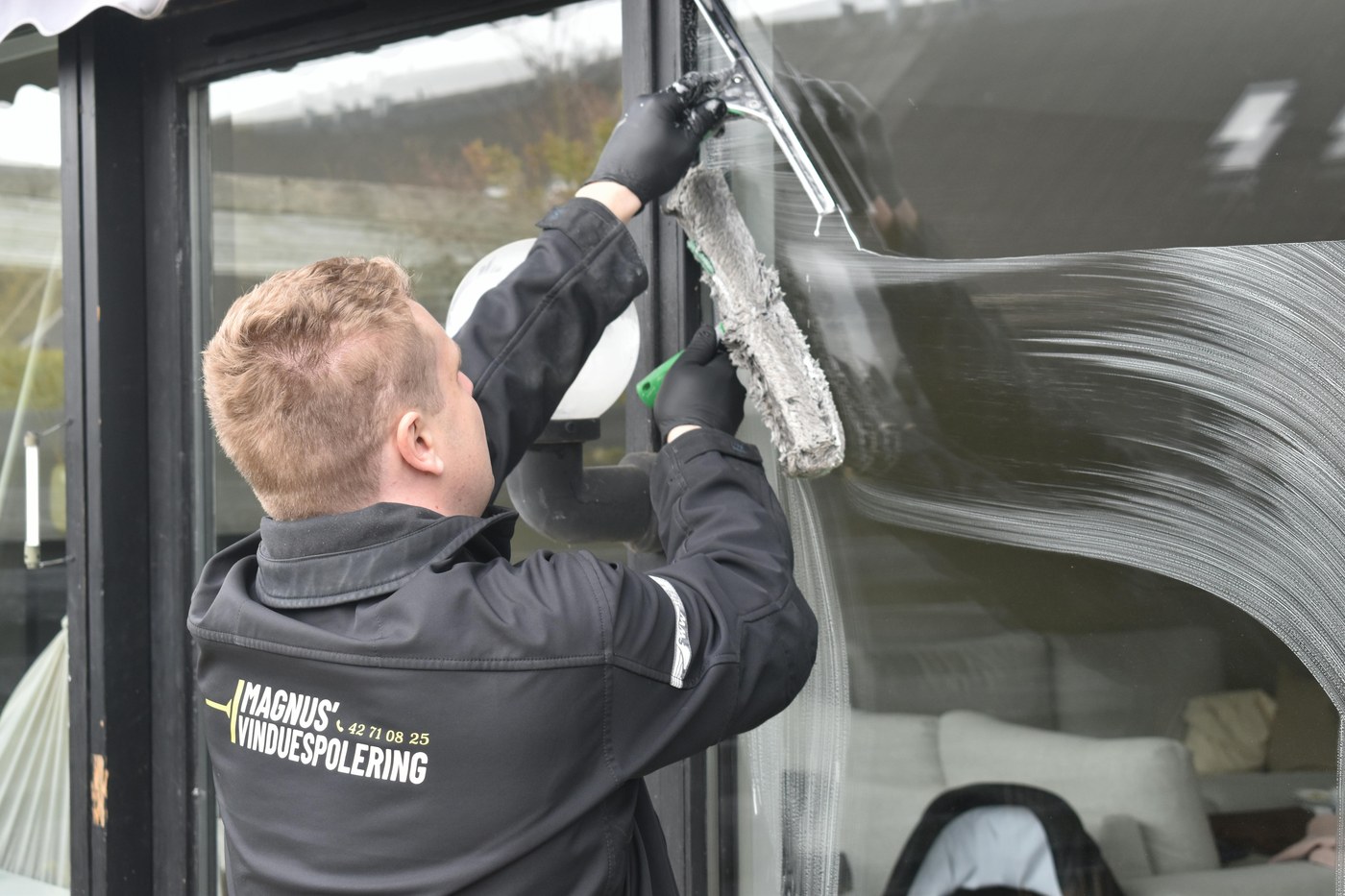
Think large glazed walls, awkward access, high floors, blinds above a glass conservatory, or grime that has been baking in the sun since early spring. At that stage, paying for help is not only about saving time. It is about avoiding a risky lean out of the window and avoiding damage to hardware that is expensive to replace.
Professional cleaning exterior blinds also makes sense when you want the whole window setup handled in one visit, frames and sills included. In actual homes, that is often the neatest option. One appointment, one round of mess, done. For bigger Prague apartments and family houses, plenty of people book once after the worst pollen wave and then again in autumn.
When asking for a quote, be specific. Say how many windows there are, what type of exterior shading you have, how easy the access is, which floor you are on, and whether the dirt is normal spring dust, fresh pollen film or older baked-on residue. A clear description makes the time and price estimate much more realistic.
Light dust after a few rainy days in May? You can probably handle it yourself. Severe streaks, awkward access or anything that requires leaning out of a high window? Hand it over. ČistýKout is a Prague-based service for windows and exterior blinds, and you can use their contact form to ask for a friendly, no-pressure quote or pair the job with window cleaning in Prague.