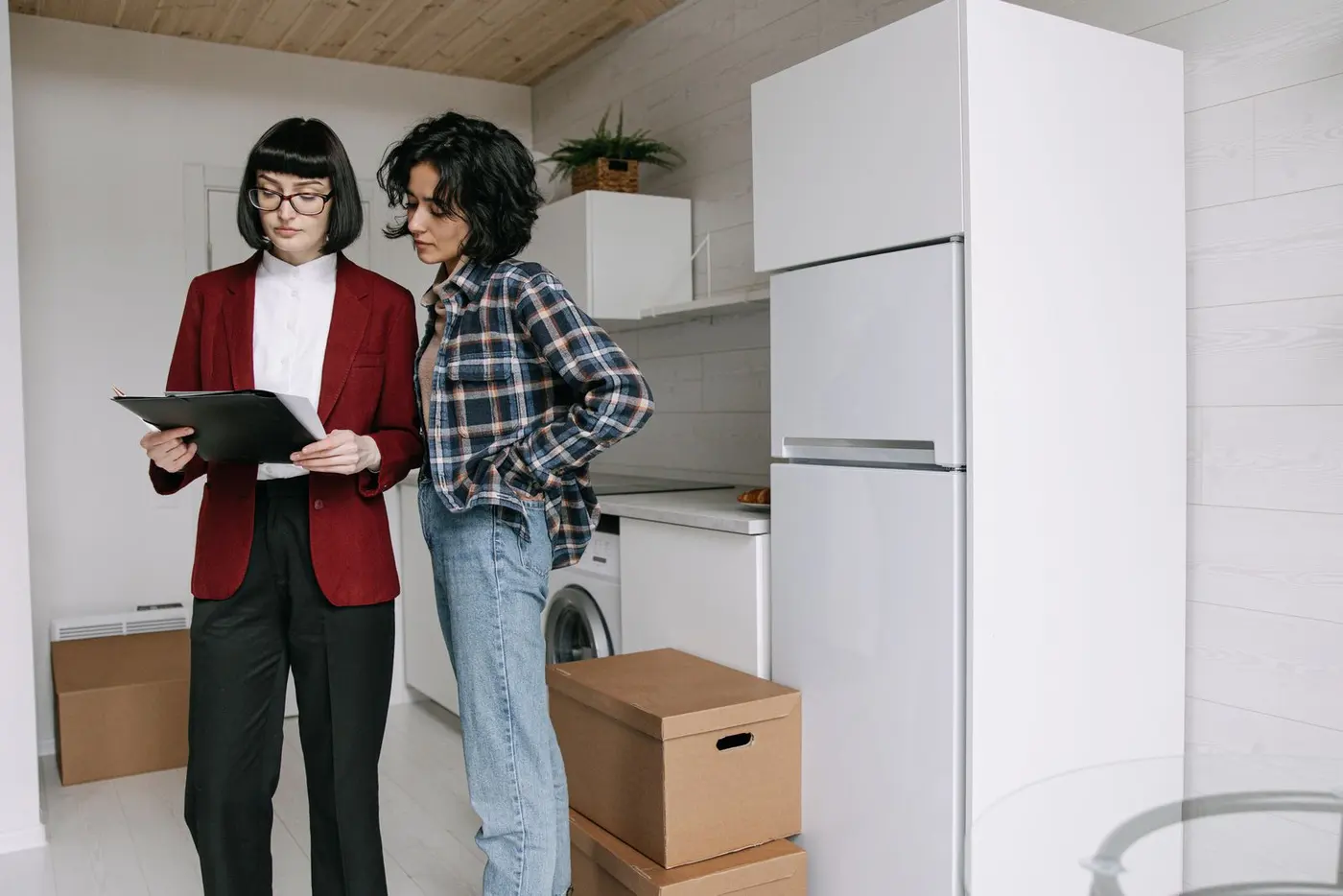
A cleaning job walkthrough is not a free trial shift. It is a focused 15-minute visit used to confirm what the client wants, spot the conditions that will slow the work, and define what you are willing to take responsibility for. That quarter of an hour can be the difference between a sound quote and discovering, halfway through the first clean, that two hours of labour have disappeared from your margin.
When a phone call is enough, and when to visit
A phone call can be enough for an ordinary recurring clean: a one-bathroom flat in Karlín, no pets, a weekly visit, and a client who can name the tasks. I would ask follow-up questions, request photos of doubtful areas, and give a range to confirm after the first service.
I visit when the job stops looking predictable: post-renovation cleans, move-outs, neglected homes, crowded flats, and small commercial premises. Old parquet, natural stone, and high windows deserve a closer look too. Phone photos can hide fine building dust, greasy kitchen units, and etched limescale.
My working threshold is the cost of being wrong. If the unknowns could add two or more labour hours, a short cleaning estimate walkthrough usually pays for itself. I group visits by Prague district so the journey does not swallow the value of the appointment.
Set the boundary before you arrive: you will inspect and take notes, not start cleaning. The deliverable is a written quote. It is not a free demonstration spread across the oven, shower, and first window.
A 15-minute room-by-room route
I use the same route each time. Spend two minutes confirming the intended result and viewing the whole property. Then start with the labour-heavy areas: kitchen, bathroom, WC, living spaces, entrance, and any balcony or storage room.
Record only details that can change the cleaning scope of work:
- approximate floor area and number of levels;
- bathrooms, toilets, showers, and baths;
- the mix of carpet, wood, tile, and delicate surfaces;
- furniture density, ornaments, and items covering work surfaces;
- windows, blinds, appliances, or cabinets only when requested;
- heavy grease, limescale, smoke residue, pet hair, or building dust.
Square metres give context, not a finished time estimate. An empty 80 m² flat may take less time than a furnished 55 m² home with two bathrooms and crowded shelves. Stairs and repeated trips between floors also cost time.
Keep the final three minutes for logistics. Check water, electricity, dirty-water disposal, lift access, and parking. Carrying equipment three blocks in central Prague is paid time. For a shop or office, ask about keys, alarms, access hours, and who will sign off the result.
Five questions that expose hidden work
Some expensive details are invisible. These five questions belong on every cleaning quote checklist:
- When was the last thorough clean, and what has been maintained since then? This separates one week of dust from six months of buildup.
- Has anyone already tried to remove this mark or deposit? What did they use? Acid on stone or an abrasive pad on stainless steel changes the risk as well as the likely result.
- Are there pets, indoor smoking, or heavy cooking? Hair, smoke film, and grease need different methods from ordinary household dust.
- What should “finished” look like to you? A handover clean may mean a mopped floor to one person and clean grout, drawers, and an oven to another.
- What is the deadline, and who will inspect the work? A fixed handover time may require two cleaners rather than one.
I once reviewed a post-renovation quote based on a 70 m² floor area. The property had dusty matt-black taps, adhesive on three windows, and no working lift. Five hours had been allowed; the realistic figure was nearly nine. The rate was not the mistake. The estimator had skipped the questions and the visit.
Do not promise that every stain will disappear. Explain what can be attempted safely and where further treatment could cause damage.
Photos and notes without invading privacy
Ask before taking out your phone. A plain sentence works: “May I photograph the limescale and the damaged worktop for the quote?” Permission to capture one defect is not permission to document the entire home.
Photograph only details that affect method, price, or responsibility: a delicate surface, stain, existing damage, unusual window, or difficult access. Keep family pictures, documents, medicines, security devices, and people out of frame.
Write notes you can understand later. “Bad bathroom” tells you nothing. “Shower: heavy limescale on glass, black silicone staining, no guarantee of full removal” is usable. Record the location of existing damage too.
Store material in a restricted job folder, not a shared personal gallery. Delete it after the quote and query period. Keep the agreed work record, not a permanent photo tour of someone’s home.
Turning the walkthrough into scope and price
Convert notes into labour hours before converting them into money. Estimate the baseline work in each zone, then add time for condition, clutter, and access. Two cleaners working for three hours equal six labour hours. Small teams sometimes miss this embarrassingly simple distinction when they price a cleaning job.
Add consumables, travel, equipment hire, and a reserve tied to a named uncertainty. If adhesive removal is unclear, list it as an option or price it after a small test patch. The test should not become a free clean of the whole pane.
Split the quote into clear groups:
- included work, with each required task named;
- optional items such as the oven, inside cupboards, windows, machine cleaning, or waste removal;
- exclusions such as unsafe work at height, hazardous waste, extensive mould, permanent damage, or moving heavy furniture.
A sample calculation might contain seven labour hours, 45 minutes for travel and setup, 350 CZK for specialist products, and a 10% reserve for construction dust around skirting boards. Apply your own costs and margin. Different businesses do not carry the same cost.
Give the offer an expiry date, perhaps 14 days, and tie it to the condition seen. If builders continue working or the task list grows, confirm the price again. The job has changed.
What to send the same day
Send the summary the same day: address, date, included work, options, exclusions, crew size, price, handover, equipment, and key arrangements.
One sentence prevents scope creep: “The price is based on the scope and condition recorded during the walkthrough; we will carry out additional work only after you approve its price.” It protects the client from surprise charges and stops extra rooms or windows being folded into the original total.
Refer to the relevant findings and expected result; do not attach every photo. Ask the client to accept the quote in writing.
A 15-minute cleaning job walkthrough ends with observations, a calculation, and a written scope. Once you start “just testing” the oven, shower, and windows, you are doing unpaid work without an order.
If a Prague client needs help defining the job before booking, they can send a no-obligation enquiry through the Čistýkout contact form. Čistýkout is a Prague-based option for matching a specific cleaning need with a suitable provider, without asking anyone to quote blind.