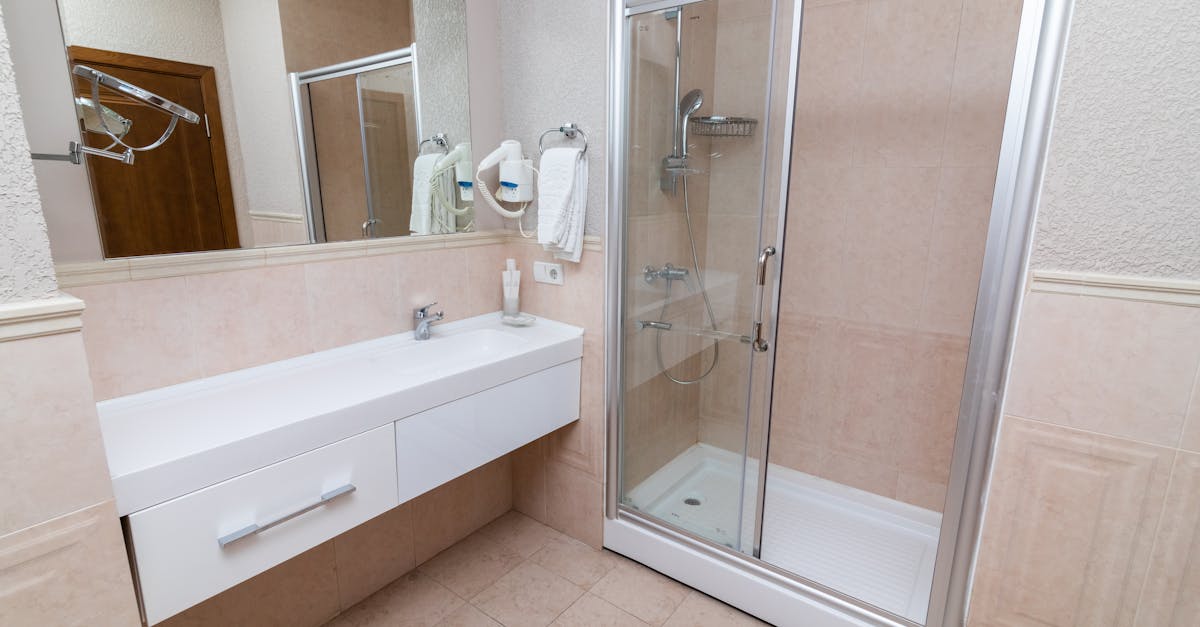
Deep bathroom cleaning usually gets pushed to the weekend when the shower glass turns cloudy, the taps go chalky, and the grout starts looking older than the flat itself. That is also the moment when people are most tempted to attack everything with one aggressive bathroom spray and a rough scrubber. I get the impulse. Still, that is exactly how a cleaning job turns into scratched fittings, dull glass, or grout that starts breaking apart under your hand.
In Prague homes, the pattern repeats, but not in the same way everywhere. In newer flats around Karlín or Stodůlky, I usually see black fixtures, coated shower glass, and sleek surfaces that look great until someone uses the wrong product once. In older buildings, especially bathrooms that never fully dry out, the bigger issue is grout, silicone, and long-term limescale hidden in corners. That is why deep bathroom cleaning works better when you tackle the bathroom by problem zone instead of treating the whole room as one big surface.
Which bathroom areas usually get the worst and why
The shower enclosure is almost always the hardest-working part of the bathroom, and it shows. Glass collects limescale in bathroom conditions where hard water dries day after day. Soap, shampoo and dust sit on top of that layer, so what looks like one stain is usually several problems stacked together. The longer it sits, the harder it becomes to tell whether you are looking at removable build-up or surface damage.
Then there is grout, silicone, and every damp corner people barely notice until the colour changes. In many Czech bathrooms, especially internal bathrooms without a proper window, moisture hangs around for hours. That matters. Grout darkens, silicone picks up black spotting, and corners near the shower tray stay damp enough for mould to settle in. At that stage, bathroom cleaning stops being cosmetic. It becomes a question of what can still be cleaned and what is simply worn out.
Taps, holders, the sink overflow, and the lower edges around the toilet are the third trouble zone. This is where the difference between normal bathroom cleaning and deep cleaning becomes obvious. A regular wipe-down removes fresh marks. Deep cleaning deals with layers that have been left there for weeks or months. That takes more patience, and frankly, more restraint.
One thing is worth saying early. Not everything can be restored by cleaning. If the shower glass stays milky after proper descaling, it may already be etched. If the silicone is black from within, or the grout starts crumbling when you brush it, the issue is not laziness or technique. The material has reached its limit. Knowing that line saves time and stops you doing expensive damage.
How to prepare the bathroom so the clean actually makes sense
Before you start, clear the room properly. Move out bottles, razors, bath toys, mats, laundry baskets, spare towels, everything. People skip this because it feels like admin, but it makes the job faster. When you keep lifting wet items and cleaning around clutter, you lose access to the edges where dirt actually builds up.
Next comes the part that matters more than most people expect: choosing products by surface. Ceramic can tolerate things that natural stone cannot. Chrome handles products that would be risky on black fixtures. A coated shower screen may need a gentler approach than plain glass. If you are not sure, test first on a small hidden spot. I know that sounds cautious, but one bad decision on a matte black tap can leave a mark you will notice every single morning.
I would also avoid starting with the strongest chemical in the cupboard. People do that when the first pass does nothing and frustration kicks in. Usually the better move is time, not force. Let the product loosen the deposit. Repeat if needed. The idea behind deep bathroom cleaning is not to win in one round. It is to get the result without stripping the finish off the surface.
A simple setup is usually enough:
- microfibre cloths for glass and taps,
- a soft sponge for ceramic,
- a small brush for grout and corners,
- a separate cloth for toilet-zone surfaces,
- a squeegee for the final drying step.
Nothing fancy. Just avoid using one cloth for everything and pretending it does not matter. It does.
Shower enclosure and glass without streaks or surface damage
If you are wondering how to clean a shower enclosure properly, the first rule is simple: never scrub hard deposits while the surface is dry. Let warm water hit the glass first, then apply a limescale product and give it time to work. After that, use the soft side of a sponge or a microfibre cloth. If the limescale in bathroom glass has been there for years, assume you will need more than one pass.
Vinegar comes up in almost every conversation about shower cleaning. Sometimes it works well enough. But it is not a universal answer. On plain glass, diluted vinegar can help loosen deposits. On coated surfaces, black fixtures, lacquered frames, or anything with a delicate finish, I would be careful. The cost of being wrong is much higher than the cost of taking a slower route.
Tracks, lower rails, and shower corners often look worse than the glass itself. That is where soap residue, hair, and minerals settle into a stubborn paste. A narrow soft-bristled brush or even an old toothbrush works well here. What I would not use is a knife, screwdriver, scraper, or any other "quick fix" tool. The second you start prying at the build-up, you risk scratching the frame or tearing the silicone.
Most streaks appear at the end of the job, not during it. People rinse, walk away, and let water dry on the surface. That leaves fresh marks and starts the cycle again. My preferred finish is basic but reliable: rinse well, pull the water off with a squeegee, then dry the edges with a clean microfibre cloth. It is not glamorous, but it is what makes the glass look clear instead of almost clear.
And yes, be cautious with melamine sponges. They can feel soft in the hand, but on glossy or dark finishes they may dull the surface. If your goal is deep bathroom cleaning without damage, gentler repeated cleaning beats one aggressive miracle attempt every time.
Grout, silicone, and awkward hard-to-reach areas
Grout cleaning is rarely satisfying in the first ten minutes. That is normal. Grout is porous, and dirt sits deeper than it does on tile. I usually prefer gels or pastes here because they stay where you put them. Thin liquids run off too quickly and leave you doing most of the work by hand.
The big question is whether you are dealing with surface dirt or mould. Surface dirt often looks grey or yellowish and slowly improves with patient cleaning. Mould in silicone tends to show up as black spots that seem trapped inside the material. If those marks stay exactly where they are after careful cleaning, you are not failing. The silicone is already compromised below the surface.
When brushing grout, pressure is the thing to watch. Too much force does not clean better. It just damages the joint faster. Shorter strokes, regular rinsing, and checking the result as you go are much safer than leaning into the brush like you are sanding wood. If material starts lifting out, stop. At that point, the problem is no longer dirt.
Silicone needs an even stricter judgement call. If it is peeling away, soft, cracked, or black along the full edge, replacement makes more sense than cleaning. I see this a lot in bathrooms that stay humid all day, especially where shower water sits in the lower corners after every use. Scrubbing may make it look slightly better for a week, but it will not restore the seal.
Hard-to-reach zones behind taps, around the bath edge, and under shower door frames are best handled in small sections. Apply product, wait, brush lightly, rinse, inspect. It is slower, but it gives you a real result and tells you whether a home clean is still enough or whether the bathroom is drifting into maintenance or repair territory.
How to keep the bathroom cleaner for longer after a deep clean
Once you have done a proper deep bathroom cleaning session, it makes no sense to let the same build-up return immediately. The easiest habit is using a squeegee after showering. It takes half a minute, maybe less, and it reduces how fast limescale in bathroom glass and on fittings can build up.
The second habit is a short weekly reset. Wipe the taps, rinse the shower rails, check the corners, and run over the sink. That is it. People imagine maintenance has to be a whole routine. It does not. Five minutes a week does far more than a dramatic chemical rescue once every two months.
Ventilation matters just as much. In bathrooms without windows, leave the door open after showering and run the fan long enough for the room to dry properly. From what I have seen, long-term moisture causes more black silicone and recurring mould than people expect. Not dirt on its own. Moisture.
And when is it time to call in a professional deep cleaning service? Usually when the bathroom has been neglected for a long time, after tenants move out, before a property sale, or when you have delicate finishes that you do not want to experiment on. The same goes for designer black fixtures, treated shower glass, and natural stone. Replacing damaged materials costs more than hiring someone who knows where the safe limit is.
If you are in Prague and want deep bathroom cleaning done carefully, Čistýkout is a local option worth considering. You can send a no-pressure enquiry through the contact form and describe whether the main issue is limescale, grout cleaning, failing silicone, or shower enclosure build-up. A realistic assessment helps more than heroic scrubbing, especially once the problem has gone beyond normal bathroom cleaning.