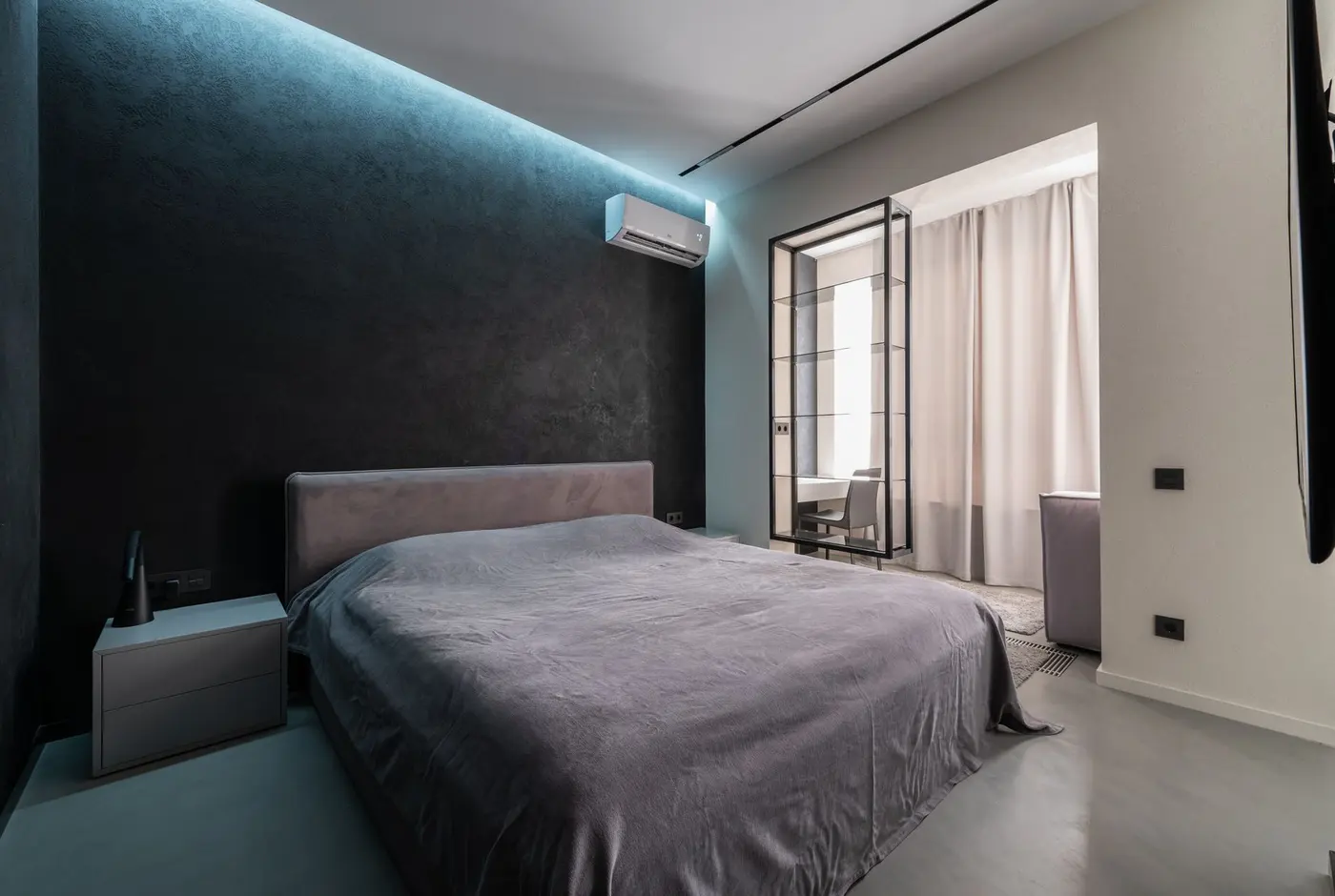
It's starting to feel like a tropical heatwave out there in Prague. Your AC is likely already working overtime, but if you’re noticing a weird musty smell instead of a cool breeze—or if your electricity bill is climbing faster than the temperature at Charles Square—you’ve got a problem.
Apartment air conditioning cleaning affects airflow and the air in the room. A dirty filter makes the unit work longer, while moisture on the evaporator gives mold and microbes somewhere to grow. Legionella needs a little nuance: it is mainly associated with warm-water systems and cooling towers, not an ordinary wall-mounted split unit that does not aerosolise stored water. You can handle basic filter care at home. Refrigerant, wiring, hidden fan components and dismantling belong to a qualified technician.
Why a clean AC is the key to lower bills
Most people hear "AC service" and imagine a technician in overalls showing up with a huge bill. But the truth is, the best thing you can do for your bank account is just keeping the dust away. Think of it this way: your AC works by moving heat. Air from your room passes over these delicate metal fins. If those fins are covered in a layer of Prague dust, pollen, or city smog, they can’t do their job.
That layer of dirt acts like a blanket. The unit moves less air and may take longer to reach the thermostat setting. I would not promise a neat percentage saving without measuring the actual unit; model, temperature and level of dirt all matter. The practical sign is simpler. After cleaning, airflow should feel less restricted and the system should not need to labour as long.
Then there is the health side. A musty smell can point to microbial build-up or mold in air conditioning, although smell alone is not a diagnosis. A dirty unit may irritate the eyes or airways of sensitive occupants. Remove accessible dust, keep an eye on condensate and arrange professional cleaning if the odour returns.
Step by step: Cleaning the indoor unit
Let’s get into it. You should really be checking your filters every couple of weeks during the peak of summer. Before you touch anything: Safety first. Always unplug the unit. If it’s hard-wired (common for split systems), flip the circuit breaker. Water and electricity are a bad mix, and a clean filter isn't worth an electric shock.
1. Getting to the filters
Carefully pop open the front panel. Usually, there are small grooves on the sides you can pull. The panel should stay propped up. You’ll see the mesh filters covered in grey fuzz. If you have a newer unit, you might see smaller specialized filters too (like HEPA or carbon). Slide the main mesh filters out by pulling toward you and then slightly down.
2. Washing the mesh
Cleaning ac filters isn't complicated, but check the manufacturer's manual first. Washable mesh filters can usually be rinsed with lukewarm water. If they are greasy because the unit sits near an open-plan kitchen, use a little mild dish soap and a soft brush. Avoid hot water. It can warp the frame.
One big tip: let them air dry completely. Don't put them on a radiator or in direct sunlight on the balcony. High heat and UV rays are bad for the plastic. As for those smaller carbon filters, those usually can’t be washed—you just swap them for new ones after the season.
3. Disinfecting the evaporator
While the filters are drying, look at the metal fins you just uncovered. That’s the evaporator. It’s always damp here because of condensation, making it a hotspot for bacteria.
Only use an ac disinfection product approved for your model, and follow its label. Household bleach, vinegar mixtures and scented all-purpose spray can damage materials or leave irritating residue. Keep liquid away from electronics. A spray also cannot remove a heavy deposit from the hidden blower wheel; if the smell returns, stop there and book a deep clean.
Caring for the outdoor unit
The outdoor unit is usually "out of sight, out of mind," but it’s the heart of the system. In Prague, it takes a beating from traffic dust, soot, and that spring pollen that coats everything (anyone living near Stromovka or Letná knows exactly what I mean).
- Clear the debris: The outdoor unit pulls in air from the back and sides. Check if the grilles are blocked by a "carpet" of dust or those fluffy poplar seeds. You can use a vacuum with a soft brush attachment or just a gentle broom. Just be careful not to bend the fan blades.
- Check the drain: Find the end of the little hose where the water drips out. If it’s a hot day and the AC is running but no water is coming out, something is blocked. The hose can get clogged with dust or algae. If that happens, the water backs up and starts leaking inside your apartment—usually right onto your wallpaper or floor. Check the hose to make sure it’s not kinked or plugged at the end.
The July scenario worth avoiding
Picture an attic flat in Vinohrady. The AC has cooled reasonably well for years, so its owner keeps postponing service. Then the first seriously hot Friday arrives. The unit starts vibrating, output falls, and every technician in Prague already has a packed diary. This is a composite, not a story about one named customer, but the timing is painfully familiar: neglected equipment tends to complain when demand is highest.
Home maintenance helps you remove dust and spot trouble early. It cannot assess refrigerant pressure, electrical connections, compressor condition or a hidden blower wheel. Schedule technical service before summer, not during the first tropical night.
When to put down the spray and call a pro
Follow the manufacturer's service interval and adjust it to how heavily the unit is used. For an apartment AC running throughout summer, an annual check before the hot season is a sensible baseline. A dusty property or a home with sensitive occupants may need more frequent attention. Prague ac service cost varies with access, number of indoor units, depth of cleaning and travel. Ask for a written price that says what is included.
Call the pros immediately if:
- The smell stays: If you’ve disinfected everything and it still smells like a damp basement, the mold is likely deep on the internal fan. You can’t get to that without taking the whole unit apart.
- Strange noises: Banging, whistling, or vibrating. These are signs of worn-out bearings or compressor issues. Catching it early saves you a fortune.
- It’s just not cold: If it’s running full blast but the room is still warm, you’ve likely got a refrigerant leak. Legally, you aren't allowed to handle refrigerant yourself; you need a specific license for that.
- Water leaking inside: If water is running down your wall, your condensate pump might be dead or the drain pan is cracked.
Clean air, clear mind
Regular apartment air conditioning cleaning is closer to maintaining a cooker hood: a small routine stops ordinary dirt becoming a larger problem. Filters are a home job. Persistent odour, leaking water, noise and weak cooling are technician jobs.
If the AC is sorted but the rest of the flat still needs attention, send a no-obligation cleaning request through Čistýkout. Čistýkout is a Prague-based option for finding home cleaning; technical AC servicing should still go to a qualified HVAC professional.