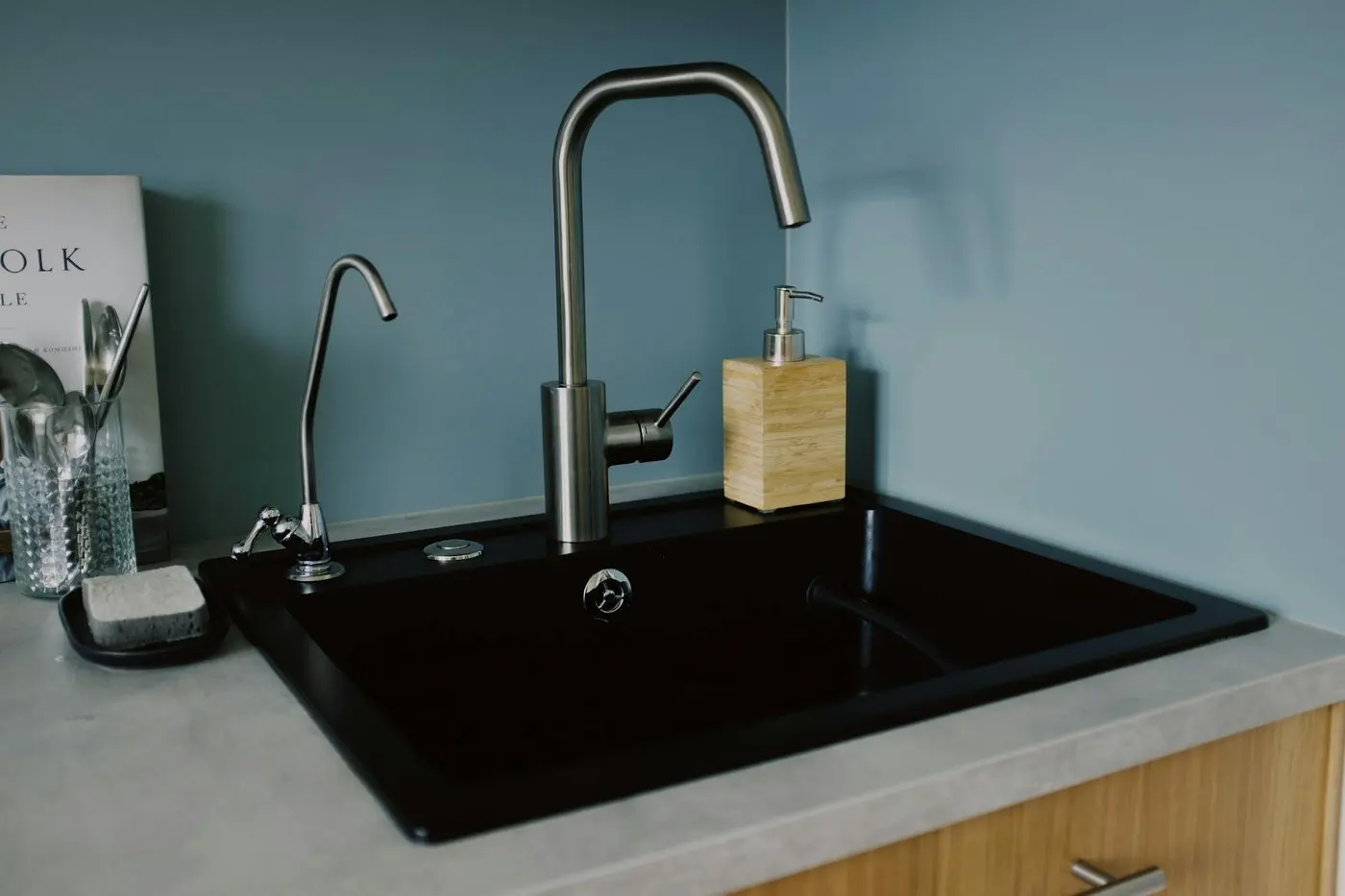
When drain odor shows up at home, most people do one of two things: they open a window or they pour the strongest cleaner they can find down the drain. I get it. A smell from drain pipes in a bathroom or kitchen can make a whole flat feel dirty in ten minutes, especially in a compact Prague rental where the kitchen and living area blur into one room. But this is also where people waste the most time. Usually the problem is not a lack of cleaning. It is cleaning the wrong part or treating the symptom instead of the source.
This short video is useful mainly for the mechanical part - the kind of basic sink and trap cleaning that makes sense before you reach for harsh chemicals.
I keep seeing the same pattern in real apartments. A tenant in Žižkov thinks the shower drain odor is coming from mold. A couple in Vršovice swear the kitchen drain smell only appears because the building is old. Someone in a panel-flat bathroom in Modřany cleans every visible surface and still gets hit by a sour sewer smell after a long weekend away. Those are not the same problem. One may be hair and soap trapped in the trap, another a greasy biofilm, another a dry water seal, and sometimes it is no longer a cleaning job at all. It is a plumber issue.
So this is a practical troubleshooting guide for normal households, not a vague lifestyle piece. I will walk through how to tell where the smell is really coming from, what you can safely do yourself, where home remedies help, and when waiting longer is just wasting your evening.
First, figure out where the odor is really coming from
Before you take apart anything or buy chemicals, spend two quiet minutes locating the smell properly. That sounds obvious, but it saves a lot of nonsense. People often say "the bathroom smells" when the real source is a shower channel, an overflow opening, or even a floor drain nobody has looked at in months.
Shower, sink, or kitchen drain?
A shower drain odor usually gets stronger right after showering or after a period when the shower has not been used much. Hair, soap residue, skin oils, and slime collect under the cover and around the removable trap insert. Warm water wakes the smell up.
A bathroom sink is different. If the odor gets worse after brushing teeth, shaving, or running a strong stream of water, there is a good chance you are dealing with buildup in the trap or a weak water seal.
In the kitchen, the timing matters even more. If the kitchen drain smell shows up after cooking, washing pans, or rinsing plates with oily sauce still on them, grease is the usual suspect. The sink basin can look spotless while the trap underneath is coated with a sticky layer that has been quietly rotting for weeks.
Are you sure it is the drain and not dampness or mold?
This gets mixed up all the time. Drain odor is sharper. Sewer-like. Sometimes slightly sulfuric. Damp textiles, mildew, and hidden mold tend to smell flatter and heavier. They cling to grout lines, bath mats, cabinets under the sink, or the corner behind the washing machine.
Do a blunt little test. Smell the drain opening itself, then the grout, then the cabinet, then any fabric nearby. Not glamorous, but useful. If the odor is concentrated at the drain mouth or overflow hole, you are probably in the right place.
When does it happen most often?
The timing tells you a lot:
- after a trip or a few unused days - often a dry water seal
- after showering or washing dishes - buildup and biofilm react to warm water
- after flushing a toilet or when you hear bubbling - pressure or venting issue in the pipework
- all the time, even after running water - heavier buildup, a leak, or a technical fault
A tenant once insisted to me that the shower was the problem in a Vinohrady flat. It turned out the smell came from a rarely used floor drain near the washing machine. A little water fixed more than a whole weekend of drain cleaner would have.
The most common causes of drain odor
Once you know the likely source, the usual suspects are not that mysterious. Most homes cycle through the same few problems.
Biofilm and grease
Biofilm is the slimy layer that forms inside pipes. In bathrooms it is made from soap, body oils, skin residue, toothpaste, and hair. In kitchens it becomes nastier because grease and food particles join the party. Water passes through. The film stays put. Then it starts to break down and stink.
Kitchen drains often smell worse because cooled grease sticks to the walls of the trap and acts like glue for everything else. That is why a shiny sink surface tells you almost nothing.
Hair and buildup in the trap
This is the classic case in showers and bathroom sinks. Hair catches soap scum, lint, and fine dirt. Then you get a dense, wet mass that both slows drainage and creates odor. If water drains slowly and the smell from drain pipes rises at the same time, this is close to a textbook diagnosis.
A dried-out water seal
A trap works because water sits inside it and blocks sewer gases from coming back into the room. If a drain is not used for a while, that water can evaporate. This happens with floor drains, guest bathrooms, laundry drains, holiday flats, and empty rentals.
The big clue is simple: if you pour water in and the smell fades or disappears, the issue may not be dirt at all. It may just be a dry trap.
What you can safely do at home, step by step
This is where I recommend slowing down and choosing mechanical cleaning before chemistry. A powerful drain gel sounds satisfying, but if it slides past a thick layer of slime without removing it, the odor comes back soon enough.
1. Gather basic supplies
You do not need much: gloves, an old toothbrush, a rag, a bucket or bowl, and maybe a flexible plastic hair remover. For a kitchen sink, paper towels help because cleaning a greasy trap is exactly as unpleasant as you think it is.
2. Clean the parts you can reach immediately
Remove the drain cover or basket. In the shower, pull out hair, soap sludge, and anything stuck around the insert. In the bathroom sink, clean the overflow hole too. People forget it constantly, and it is often the real source of the odor. In the kitchen, clean the basket strainer, rubber parts, and the area around the opening.
This step gets underestimated. Honestly, it fixes a surprising number of "mystery smell" cases on its own.
3. Take apart and clean the trap
If the trap is accessible, place a container underneath, unscrew it slowly, and do not put your face directly over it. This is where drain odor gets very honest. Scrub the inside mechanically with the brush and rag, then rinse with warm water. The goal is to remove the layer, not just wet it.
Be gentle with plastic threads and seals when putting everything back together. Then run water and check for leaks.
4. Flush only after the buildup is removed
Once the trap has been cleaned mechanically, a warm-water flush makes sense. Not boiling water into plastic pipes. Just hot water that helps move the remaining grease and residue along.
5. When baking soda helps, and when it does not
Baking soda and vinegar are wildly popular, and sometimes for fair reasons. They can help with light fresh odor or as a follow-up after manual cleaning. They do not solve thick biofilm, hair packed into a trap, or a plumbing defect.
That is the important distinction. Foam is not proof of success. If the drain walls are coated, you still need to remove the coating.
6. Refill water in rarely used drains
For laundry drains, floor drains, second bathrooms, and other quiet corners of the flat, pour in water and see what happens. It is cheap, quick, and more effective than most people expect.
Mistakes that only make the problem come back
This is where households lose time in loops.
Pouring in aggressive chemicals again and again
One product does not help, so a second one goes in. Then a third. Bad idea. First, you can damage seals or plastic components. Second, mixing products in a small bathroom with weak ventilation is not clever. Some combinations are genuinely dangerous.
Cleaning without removing the layer itself
This is probably the most common mistake. Everything gets flooded with cleaner, but the hair, grease, and slime stay inside. The odor is muted for a moment, then returns.
Ignoring ventilation and dry traps
A badly ventilated bathroom holds moisture longer, which helps mildew and stale smells hang around. The opposite problem is a drain that dries out because it barely gets used. I have seen both happen in short-term rental flats: damp air, a neglected drain, and a smell that feels worse than either issue would create on its own.
When it is no longer a cleaning issue but a technical one
This part matters. Not every drain smell is fixable with patience and rubber gloves.
The smell returns even after proper cleaning
If you cleaned the trap thoroughly, removed buildup, refilled the water seal, and the odor comes back fast, the problem may sit deeper in the line. It could be buildup beyond reach, a bad seal, or a venting issue in the building system.
Bubbling, gurgling, or slow drainage
If the drain gurgles, gulps, or seems to suck water out of the trap after a toilet flush, pay attention. That does not look like a simple cleaning problem anymore. It may point to negative pressure in the pipework or a vent stack issue. In a rental, that is a landlord or building-manager conversation.
The smell appears after time away and does not disappear after adding water
A dry trap after a holiday is normal. A smell that stays even after you refill the trap is not. At that point, a damaged seal or leaking connection becomes more likely.
Signs that mean it is time to call a plumber or building manager
Call for help if:
- the odor stays after a proper trap cleaning
- the drain keeps bubbling or draining slowly
- you smell it in several places at once
- you notice moisture around joints or inside the cabinet
- the problem seems to involve a shared building stack
And honestly, that is not failure. It is better to pay for a proper inspection than spend a month disguising a pipe problem with perfumed gel.
How to prevent drain odor in your normal routine
The good news is that prevention is not dramatic. It just works better when it is short and regular.
A weekly routine that takes very little time
Once a week, clean the drain basket or cover, run hot water, wipe around the opening, and check the sink overflow. In the kitchen, do not pour grease into the sink, even when it looks like "just a little" left in the pan.
Looking after the shower drain and kitchen sink
In the shower, simply removing hair after washing makes a bigger difference than people expect. In the kitchen, the main job is not letting grease sit and age inside the trap for weeks. If you cook often, the sink trap deserves more attention than a once-per-season check.
What to do before a longer trip
For a short weekend away, I would not overthink it. Before a longer trip, run water into all rarely used drains, leave the bathroom sensibly aired out, and do not leave food scraps or a tired sponge in the kitchen sink area. Sometimes the so-called drain smell is partly a sponge smell with very good public relations.
If drain odor shows up once, it is annoying. If it keeps returning, stop guessing and work through the cause properly. Start with the source, then the trap, then the buildup, then the water seal. If bubbling, slow drainage, or repeated odor keeps joining the story, treat it as a technical warning rather than a sign you failed at cleaning.
If your bathroom or kitchen needs a deeper reset and you would rather not spend another evening under the sink, Čistýkout is a Prague-based cleaning option. You can send a soft, no-pressure enquiry through the form at cistykout.cz. Sometimes a thorough clean is enough. Sometimes the most useful thing is simply having someone help you separate a cleaning issue from a plumbing one.