
You wipe a shelf, walk away to make coffee, and by the time you come back it already feels as if the dust has quietly returned. That feeling is not irrational. Dust is one of those home problems that drains people precisely because it never seems finished. The more you rely on quick surface wiping, the more it feels like you are only buying a few clean-looking hours.
The reason is simple. Dust is not one single thing you remove once and solve forever. It is a mix of textile fibres, dead skin, pollen, outdoor particles, heating-season residue, and all the tiny things that come in on clothes, shoes, and airflow. If you only deal with what lands on visible furniture, but not with where it keeps coming from, cleaning starts to feel repetitive in the worst possible way.
The good news is that dust in an apartment can be reduced more intelligently than by just wiping more often. It makes much more sense to lower the sources, adjust a few habits, and improve the environment that helps dust settle in the first place. That is what this guide is about.
The endless fight with dust: why wiping alone is not enough
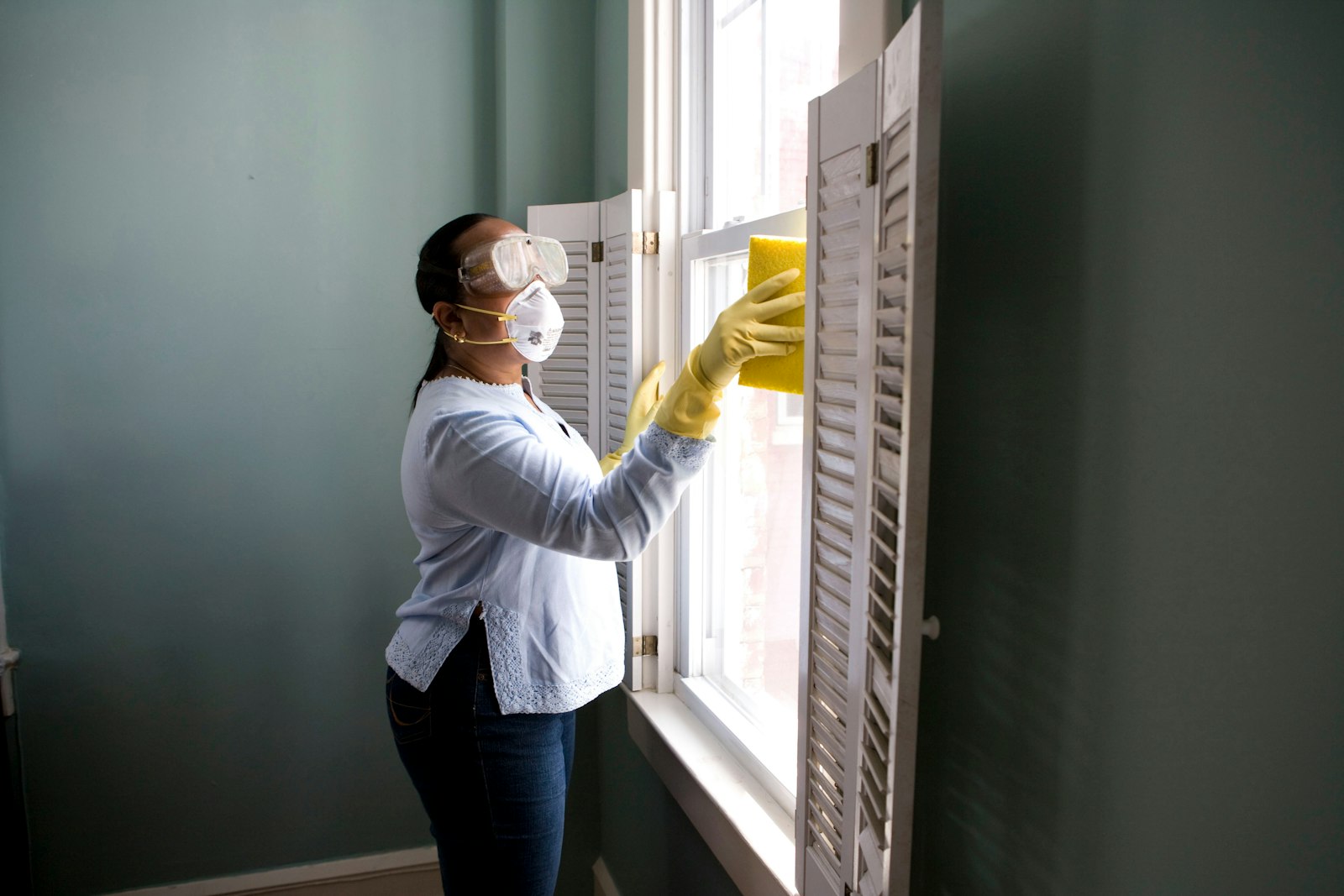
Dust does not behave like crumbs on a table. The particles are light, mobile, and easily thrown back into the air, especially when you dust dry or when the air in the flat is too dry overall. Heating season makes this worse. Radiators dry the air, textiles shed more easily, and fine particles keep resettling on furniture and in corners.
Static electricity adds to the problem. Some surfaces and fabrics almost act like magnets for dust. That is why a dry cloth often does not really solve anything. It simply moves the dust around and sends part of it back into circulation.
And then there is the constant supply from outside. Ventilation, shoes, coats, bags, pollen, street dust, nearby construction, all of it keeps feeding the problem. That is why it is usually more effective to reduce dust at the source than to keep planning how many times a week you need to wipe the same shelf again.
Five ways to reduce dust at the source

There is no single magic fix. What works best is a combination of small practical changes that reduce how much dust the flat keeps collecting in the first place.

1. Textile minimalism: looking closely at dust collectors
Textiles are one of the main dust sources in most flats. Curtains, throws, decorative cushions, rugs, blankets, and layered bedding all make a home feel softer, but they also collect and release fine particles all the time. This does not mean turning your home into a cold empty box. It means noticing what is useful and what has quietly become a decorative dust trap.
The fewer unnecessary textiles you keep, the easier the home is to maintain. In smaller flats especially, this can make a very noticeable difference.
2. Smarter ventilation: short airing beats constant micro-venting
Many people keep windows slightly open for long periods thinking that this is the healthiest way to air out the flat. In practice, that often lets dust drift in steadily without giving the home a proper air exchange. Short, stronger ventilation usually works better. You refresh the air faster and reduce the slow all-day intake of particles.
If you live near a main road or construction, timing matters even more. Ventilating at calmer times of day can make a bigger difference than people expect.
3. Humidity as an ally rather than an afterthought
Very dry air makes dust easier to lift, move, and resettle. When indoor humidity stays too low for long periods, dust behaves like a lighter opponent that never really settles for good. Keeping humidity in a reasonable range helps not only with breathing and skin comfort, but also with how aggressively dust keeps returning.
This is not about turning the flat tropical. It is simply about avoiding needlessly over-dried air, especially during heating season. A humidifier can help, but so can better ventilation habits, less overheating, and smarter day-to-day air management.
4. Consistent bedroom care: often the biggest dust zone in the flat
Bedrooms quietly generate and hold a lot of dust. There are textiles everywhere, you spend hours there every day, and bedding, mattresses, and clothing all add to the cycle. If you want to reduce dust in the whole flat, the bedroom is one of the best places to be more disciplined. Wash bedding regularly, air out the mattress, avoid too many decorative extras, and vacuum around the bed properly instead of only dusting the visible surfaces.
Very often, the bedroom is the place that decides whether the dust problem keeps feeling relentless or finally starts improving.
5. The value of HEPA filters and air purifiers
When dust remains a long-term issue, technology genuinely helps. A HEPA filter in a vacuum or an air purifier is not just a gadget for enthusiasts. It is practical support in homes with a lot of textiles, pets, allergy issues, or simply higher particle load from outside.
The catch is that the filter needs to be real and it needs maintenance. A neglected purifier does not solve anything. A well-maintained one, however, can be one of the smartest additions to a calmer, cleaner flat.
A professional secret: the glycerin trick that helps repel dust
One of the less discussed tricks is using a very small amount of glycerin when finishing certain smooth surfaces. Applied properly, it can help slow down how quickly dust settles again. It does not mean you will never clean those surfaces again. It simply means they may not look tired again quite so fast.
In practice, only a few drops of glycerin in water and a lightly damp cloth are enough. The important part is restraint. Too much and the surface starts feeling coated rather than cleaner. Used carefully, though, this can be a useful extra step in rooms where dust shows up especially quickly.
When dust wins and you are simply done with it
Sometimes a home needs a full reset rather than another quick dusting round. That means a deeper clean that actually covers textiles, corners, baseboards, under-furniture zones, and all the places regular weekly cleaning tends to keep skipping. Very often the dust problem feels endless because the home has never really been reset properly in the first place.
That is where CistýKout can help. Once a flat gets properly cleaned and then maintained with smarter habits, keeping dust under control becomes much easier. In real life, that is usually far more useful than buying yet another anti-dust spray that promises more than it can deliver.
Want less dust at home and less pointless wiping?
Book a proper cleaning reset through CistýKout and then maintain the result with simpler habits that actually reduce dust at the source. A less dusty home starts with a better system, not just another cloth.