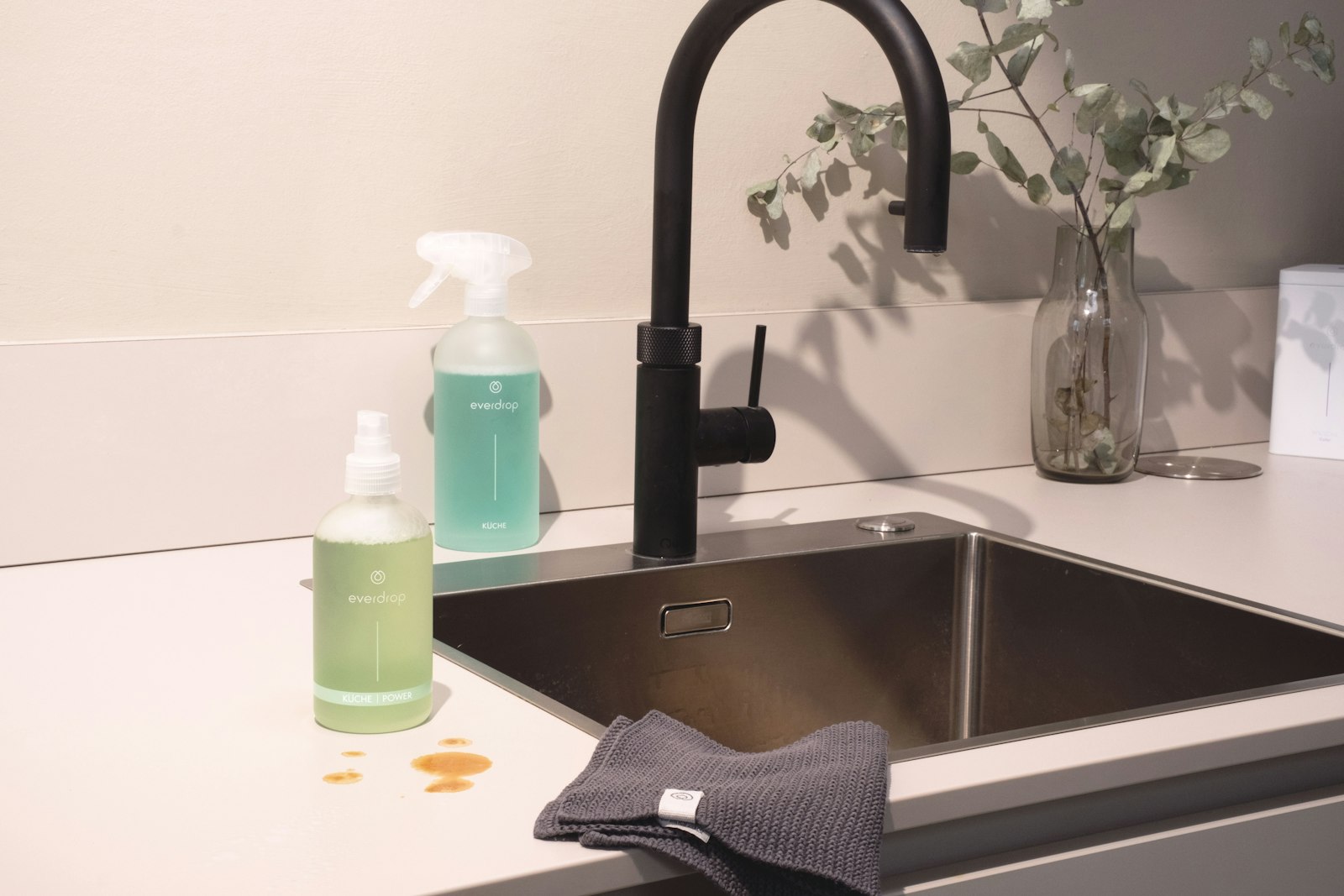
Eco cleaning promises a lot: a healthier home, fewer harsh ingredients, less waste, and the reassuring feeling that you are doing the right thing. But in a real home, the test is much simpler. When the floor under the dining table feels sticky, grease builds up around the hob, and limescale keeps coming back in the bathroom, the only question that matters is whether your cleaning routine actually works without making daily life harder.
Jana, a mother of two in Brno, learned that quickly after her second child was born. She wanted fewer aggressive products at home, but she did not want to spend her evenings mixing homemade sprays, trying internet hacks, and scrubbing for twice as long. That is why a useful eco routine is not about purity. It is about choosing a few methods that work repeatedly, feel safe in everyday life, and save time instead of quietly stealing it.
What people try at home first and why it feels eco-friendly
When people clean their own homes, they often reach for whatever is already in the pantry or cupboard. Vinegar diluted with water in a spray bottle, baking soda for the sink or oven, lemon for limescale, soap flakes in a homemade cleaner, or a few drops of essential oil to make the room smell fresher. The appeal is obvious. These options are cheap, easy to find, and feel more responsible than buying another plastic bottle from the shop.
The trouble starts when a useful home remedy turns into a universal answer for every mess. Vinegar can be excellent for limescale, but it is not right for every surface. Baking soda helps with odors and light buildup, yet it will not magically remove cooked-on grease. And a homemade mix that works on a kitchen tap may still disappoint on tired bathroom grout or greasy splashes around the cooker. This is where it helps to separate an appealing idea from a routine that genuinely performs.
Where an eco approach truly helps
The biggest payoff usually comes from everyday upkeep. Kitchen counters, dining tables, sinks, and bathroom basins often need nothing more than warm water, a good microfiber cloth, and a gentle all-purpose cleaner. Floors are another good example. People often use too much product, then end up with a sticky film and the feeling that they need to mop again. Less product and better technique often beat another trendy bottle.
- Keep one cloth for the kitchen and another for the bathroom.
- Use vinegar mainly for limescale instead of treating it as a fix for everything.
- Baking soda is useful for odors and light buildup, not as a miracle cleaner for every surface.
Where homemade mixes stop being enough
Grease, heavy limescale, and neglected grout are usually where idealism hits reality. If you cook daily, the dirt around the hob and extractor hood is very different from dust on a living room shelf. In that situation, a targeted degreaser is perfectly reasonable. The same goes for mold in the bathroom or a toilet that has been ignored for too long. Cleaning that truly works begins with judgment. You stay gentle where it makes sense, and you use stronger performance where the dirt clearly demands it.
How to build a sustainable routine at home
Jana eventually reduced her kit to four basics: a gentle multi-surface cleaner, dish soap, a degreaser, and a bathroom limescale product. She also kept a shower squeegee nearby and followed one small rule: wipe the counter right after cooking instead of leaving it until bedtime. That one decision mattered more than any label on a bottle. When dirt does not sit for days, gentler products work better and the whole routine feels lighter.
A realistic starter set for most homes
- microfiber cloths assigned to specific rooms
- a gentle all-purpose cleaner
- a degreaser for the kitchen
- a limescale cleaner for the bathroom
- a window or shower squeegee
How to spot greenwashing in cleaning products
The words natural or eco on the front label are not enough. Look at dosage, real use cases, and whether you need triple the amount to get a result. Products that promise to do everything often turn out to be more marketing than help. In practice, fewer products with clear roles usually create less waste and less chaos under the sink.
When commercial eco cleaners make sense
Commercial eco cleaners can be a smart choice when you want a realistic balance between gentleness and convenience. They usually offer more stable formulas, clearer dosing, and faster day-to-day use than homemade mixtures you have to mix again and again. It is worth checking whether a product explains exactly what it is for, how much you actually need, and whether it leaves behind heavy fragrance or a sticky residue. The best option is rarely the one with the greenest label. It is the one you can use correctly, consistently, and without overdoing it.
If you want a home that stays clean without turning the process into a full-time hobby, keep the rule simple: stay gentle with routine dirt and stay practical with stubborn mess. And when you need a deeper reset after moving, renovating, or preparing a property for new tenants, CistýKout can help you start fresh without wasting time or energy.