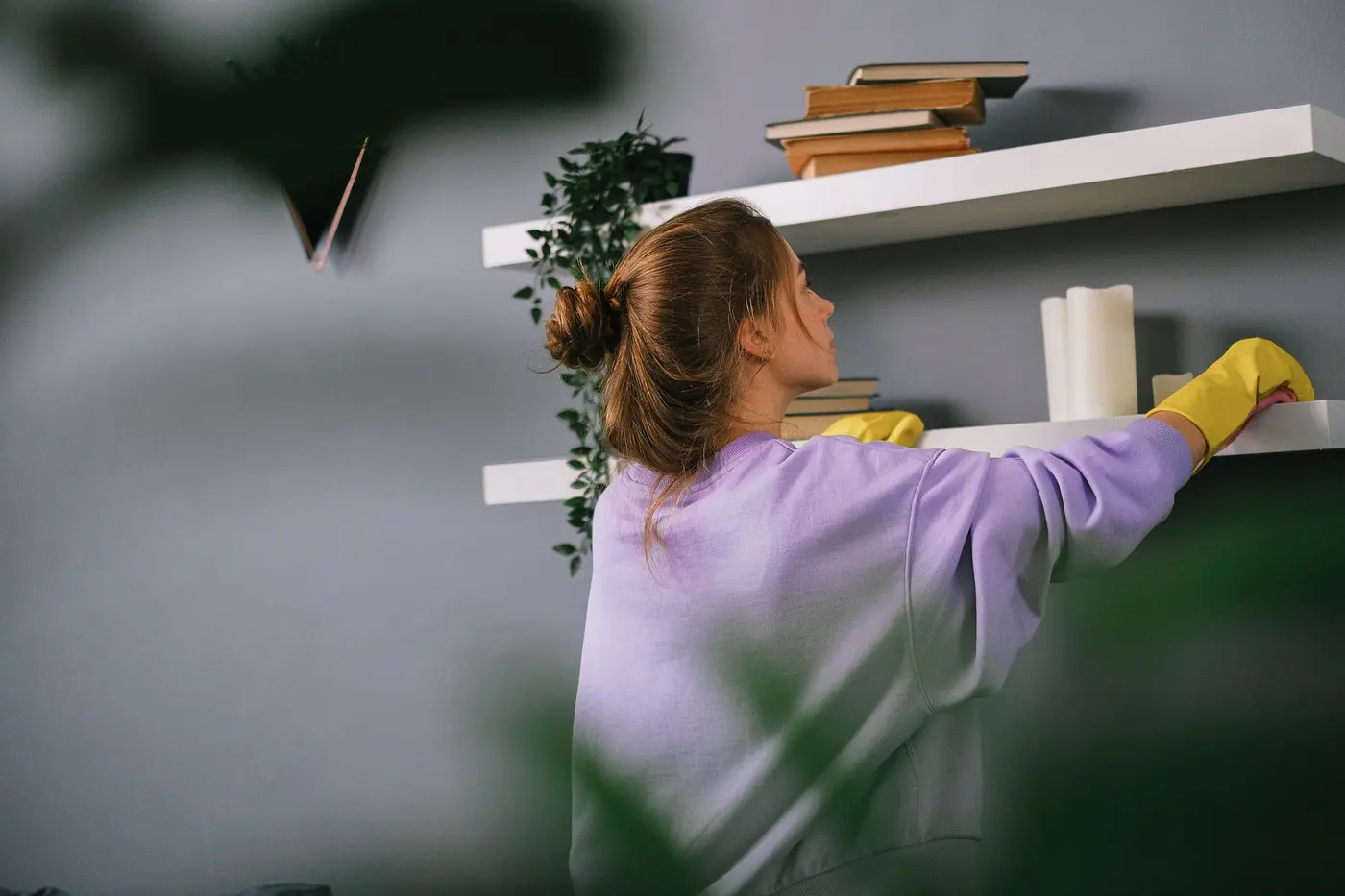
Dust can come back so fast it almost feels personal. You wipe a windowsill in the morning, and by evening there is a grey veil sitting on it again. That is why the idea of glycerin for dust keeps tempting people in cleaning forums and short videos. The promise is simple: add a few drops of glycerin to water, wipe the surface, and dust will not settle as quickly. I get the appeal. But glycerin is not magic. Used lightly, on the right surface, it may change how dust behaves. Used badly, it leaves a sticky film that grabs more dirt than it prevents.
Why people try glycerin for dust
Home cleaning hacks spread because they offer a cheap answer to an annoying problem. Glycerin is easy to buy, familiar from cosmetics and soap, and it sounds gentler than another aggressive spray. If someone says that a teaspoon in a bottle can slow down dust, many people will at least test it.
In Prague flats, the problem is rarely just one thing. Open windows facing a busy street, June pollen, a dog coming back from Letna, curtains that do not get washed often enough, and a few rugs can make dust feel endless. Indoor dust is a mix of outdoor dirt, pollen, textile fibres, skin flakes, pet dander, cooking particles and ordinary home life. The EPA describes indoor dust in much the same way: settled particles from outdoor soil, biological material such as pollen and pet dander, plus particles from cooking, cleaning and other indoor activity.
So the expectation matters. A glycerin dust repellent will not make a flat dust-free. At best, a very thin film may make dust less likely to fly up while you wipe a smooth surface. Less airborne dust during cleaning is not the same as less dust entering the home.
How glycerin works on a surface and where it may help
Glycerin is thick and hygroscopic, which means it attracts moisture. When diluted and wiped on a surface, it can leave a fine film. That film is the reason some people say dust sits differently and wipes away more easily.
If I were testing it, I would start on a small hidden patch of a smooth, durable, non-porous surface. A plastic windowsill, a laminated shelf in the hallway, or the inside corner of a bathroom cabinet. Not the whole bookcase. Not the TV. Not a polished wooden table you actually care about.
The amount matters more than the hack itself. Think a few drops in a larger amount of water, a well-wrung microfiber cloth, and then a second pass with a clean damp cloth if the surface feels even slightly coated. You are not trying to moisturise furniture. You are checking whether a barely noticeable film helps dusting without leaving tackiness.
Honestly, this is a slow-person trick. It rewards testing and restraint. If you want a quick Saturday clean, a damp microfiber cloth is usually a better bet. Boring, yes. Reliable, also yes.
Where I would not use glycerin
The main risk is not that glycerin is a harsh cleaner. It is not. The risk is residue. Too much glycerin can leave a greasy or sticky feel, and a sticky surface is not protected from dust. It becomes a trap for it.
I would avoid glycerin on electronics, screens, glossy furniture, lacquered wood, oiled wood, natural stone, and any surface where the manufacturer recommends a specific cleaner. On a monitor or TV, the problem is obvious: streaks, residue at the edges, poor wiping and moisture where you do not want it. Wood is trickier. The film may not look bad right away, but the next round of dusting can smear the dust into dull patches.
You will feel the mistake before you see it properly. Run a finger over the surface. If it feels like a poorly rinsed soap bottle, the trick has failed. Clean it with a mild solution of water and a little dish soap, wipe again with clean water, and dry it. For sensitive materials, follow the product instructions instead of improvising. Some home cleaning hacks are cheap until they damage a finish.
Humidity makes this worse. In a bathroom with weak ventilation or a kitchen where people cook a lot, thin residues tend to feel tackier than they would in a dry bedroom.
What works more reliably against dust
When someone asks me how to reduce dust at home, I do not start with glycerin. I start with the order of cleaning. It sounds too simple, but this is where many homes lose the battle. Dust falls down. If you vacuum first and then wipe the top shelves, you have undone part of your own work.
A better rhythm is plain:
- top shelves, curtain rods, light fixtures and wardrobe tops first,
- tables, windowsills, dressers and appliances next,
- floors, skirting boards and under-furniture areas last.
Dry dusters often move dust around. Slightly damp microfiber traps it better. The cloth should not drip; it should just have enough moisture to hold particles. In homes with allergies, pets or carpets, a sealed vacuum with proper filtration helps. The EPA definition of a HEPA vacuum refers to a final HEPA filtration stage capable of capturing 99.97 percent of 0.3 micron particles, with the machine designed so air does not leak around the filter. That last part matters. A HEPA label on a weak, leaky vacuum will not do much.
Textiles are the quiet dust source people underestimate. Curtains, throws, pet beds, mattresses, decorative cushions and rugs hold pollen, hair and fine particles. If you wipe shelves every few days but wash curtains once in a blue moon, the dust will keep returning. Not because your dusting tips are bad. Because the room is reloading itself.
Ventilation also needs timing. A short, strong airing often works better than leaving a window cracked all day toward traffic and pollen. During pollen season, airing after rain or early in the morning can be kinder. In a flat facing a busy road, the no-shoes rule near the door helps more than people expect. A surprising amount of dust arrives on soles.
When regular professional cleaning makes sense
Professional cleaning is not necessary for every shelf. It makes sense when dust returns faster than you can realistically deal with it. Homes with allergy sufferers, small children, pets, carpets or windows facing busy streets are the obvious examples. The issue is not only the visible grey layer. Dust sits in awkward places: skirting boards, radiators, wardrobe tops, behind beds, mattresses and upholstery seams.
A steady rhythm usually beats occasional panic cleaning. Some homes need weekly cleaning, others do fine with every two weeks and a deeper seasonal clean. In a Prague flat with a cat and windows facing the street, I would rather choose a smaller regular clean than one huge session every two months that leaves everyone exhausted.
Test glycerin on a hidden bit of plastic windowsill if curiosity wins. Just do not make it your main plan. A bigger difference comes from cleaning from top to bottom, using damp microfiber, vacuuming well, washing textiles and ventilating at the right time.
If dust has become a loop you no longer want to spend every weekend fighting, ČistýKout is a Prague-based option for regular or deeper home cleaning. Send a no-obligation cleaning request and set a rhythm that fits your flat, pets, allergies and normal life.