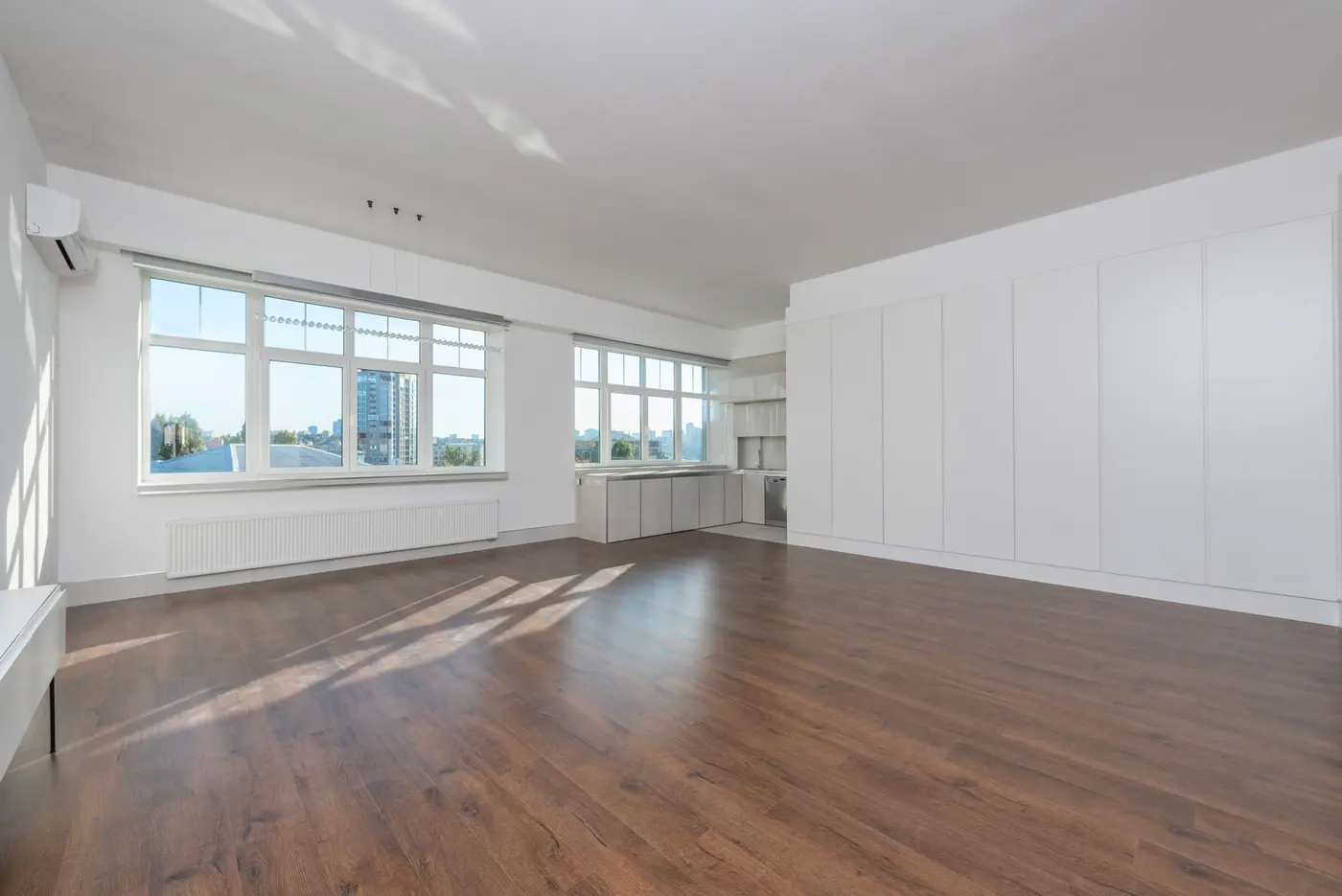
Summer in Prague can be beautiful, but for hardwood floors, it’s a season full of hidden traps. When the thermometer climbs towards thirty and the air in the apartment turns heavy with humidity after a storm, your floor literally "works" more than ever. Hardwood floor protection in these conditions is about more than just looks; it's about safeguarding a major home investment. You might not notice it immediately, but sunbeams hitting the same spot all afternoon and fluctuations in moisture can cause damage that even the most thorough cleaning won't fix. If you have solid wood or high-quality engineered flooring at home, it's good to know how to give it some relief during these hot months.
Why is Summer a Threat to Your Hardwood Floor?
Wood is a natural, hygroscopic material—which is just a fancy way of saying it breathes and reacts to its environment. In summer, it faces two main enemies: UV radiation and high humidity. The sun affects wood much like it does our skin, except the floor can't apply sunscreen.
UV radiation breaks down the lignin in wood fibers, leading to a gradual color change. Light woods, like ash or beech, tend to turn yellow, while dark exotic woods might paradoxically fade under the sun's influence. If you have a rug on the floor and lift it after a year, the difference in shade underneath and around it will likely surprise you unpleasantly.
The second factor is humidity. In winter, we worry about dry air from heating, but in summer—especially in Prague with its occasional tropical nights and mugginess—indoor humidity often shoots above 70%. Wood soaks up this moisture and begins to expand. If it doesn't have enough room in the expansion gaps, "cupping" can occur, where the edges of the planks lift. In extreme cases, the floor can even pop out of its locking system. Prevention is a hundred times cheaper than subsequent sanding or replacing planks.
Effective Shading: More Than Just Aesthetics
The simplest and most effective protection against fading is simply not letting the sun hit the floor. You might love sun-drenched apartments in Holešovice or Vinohrady, but your oak planks don't share that enthusiasm. Strategic shading is fundamental. Quality blinds or exterior shutters are ideal because they block heat and UV radiation before they even enter the interior. If you prefer an indoor solution, reach for blackout curtains or special UV window films that let light through but filter out the harmful spectrum.
An interesting trick we often recommend to clients during cleanings is rug rotation. If you have a spot in the living room where the sun hits hardest, it's tempting to cover it with a rug. While this prevents direct UV impact, it creates the very color "footprint" I mentioned above. It's better to move rugs slightly during the summer or simply not use them during peak sun hours (between 11 AM and 3 PM) and draw the curtains instead. Your floor will then "age" evenly across its entire surface.
Controlling the Indoor Climate
The ideal relative humidity for wood is between 40% and 60%. Once you deviate significantly from these values, problems begin. On hot summer days, many people make the mistake of how they ventilate. Opening windows wide at noon, when it's muggiest outside, is a shock for the floor. Warm air holds more moisture, and once it cools down in the cooler interior, the relative humidity spikes. It's best to ventilate briefly in the early morning or late evening when the air is drier and cooler.
If you live in a ground-floor apartment or an older building where humidity naturally stays higher, investing in a dehumidifier pays off in summer. Modern devices will maintain a set level of 50%, and you won't have to worry about the floor starting to wave under your feet. Conversely, if you have air conditioning, watch out for excessive drying. AC removes moisture from the air very aggressively and, combined with direct sunlight, can cause fine cracks to form in the lacquer or oil finish.
For a useful reading, place the hygrometer in the living area rather than beside an open window or directly under the air-conditioning outlet. Check it at roughly the same time for several days. If it repeatedly sits above 60%, a quick burst of ventilation is unlikely to solve the problem; steady dehumidification and a check for the moisture source make more sense. That small habit turns indoor humidity control in summer into something measurable rather than guesswork.
Summer Cleaning Routine for Longevity
In summer, a golden rule applies to wood: less water is more. Many people feel that when it's hot and the floor "dries quickly," they can use more water when mopping. This is a mistake. Moisture you force into the wood with a wet mop can get locked in by the heat if the finish (lacquer or oil) is already slightly worn. Always use only a damp, well-wrung mop—a spray mop is a great helper here.
The choice of cleaning products also matters. For summer maintenance, look for products that contain surface-refreshing components and, ideally, UV stabilizers. If you have an oiled floor, there are special wood soaps that replenish the protective film with every wash. At Čistýkout, we often see floors "washed to death" by aggressive multipurpose cleaners. These strip the natural oils from the wood, which only accelerates its brittleness under heat in the summer.
A five-minute weekly summer check
- Close the blinds before direct midday sun reaches the boards.
- Read the hygrometer and aim for a steady 40% to 60% relative humidity.
- Vacuum grit with a soft floor head before any damp cleaning.
- Wring the mop until it leaves no beads of water or wet tracks.
- Wipe spills immediately, especially near plank joints and plant pots.
This is the summer hardwood floor care routine I would use in a Prague flat with large south-facing windows. It is deliberately boring. Consistency protects the finish better than an occasional aggressive clean.
Regular Maintenance as an Investment
A wooden floor is like a living organism—it needs care to stay beautiful for decades. Once in a while (summer is a perfect opportunity before heading off on vacation), I recommend "rearranging" the floor slightly. I don't mean taking the planks apart, but moving furniture by a few centimeters. If you've had a chair or chest of drawers in the same spot for years, the wood underneath stays its original shade while the surrounding area changes. A slight shift in position helps unify the color.
If you feel your floor has lost its luster after several years, summer is the best time for professional treatment. Robust hardwood floor protection includes deep machine cleaning followed by a new coat of oil or wax, which seals the micropores and prepares the wood for the demanding winter period of dry air. Professional cleaning services like us at Čistýkout have equipment that pulls dust and grease from the wood pores that a regular mop can't reach.
Keeping a wooden floor in perfect condition even during a hot summer isn't rocket science; it's about attention to detail. Just draw the curtains, monitor the humidity, and save water during cleaning. But if you feel your floor deserves a restart before the new season, or if you simply want a perfectly clean home without the effort, get in touch. At Čistýkout, we take care of your floors with respect for the material and your time. Reach out for a no-obligation cleaning quote from Čistýkout here.