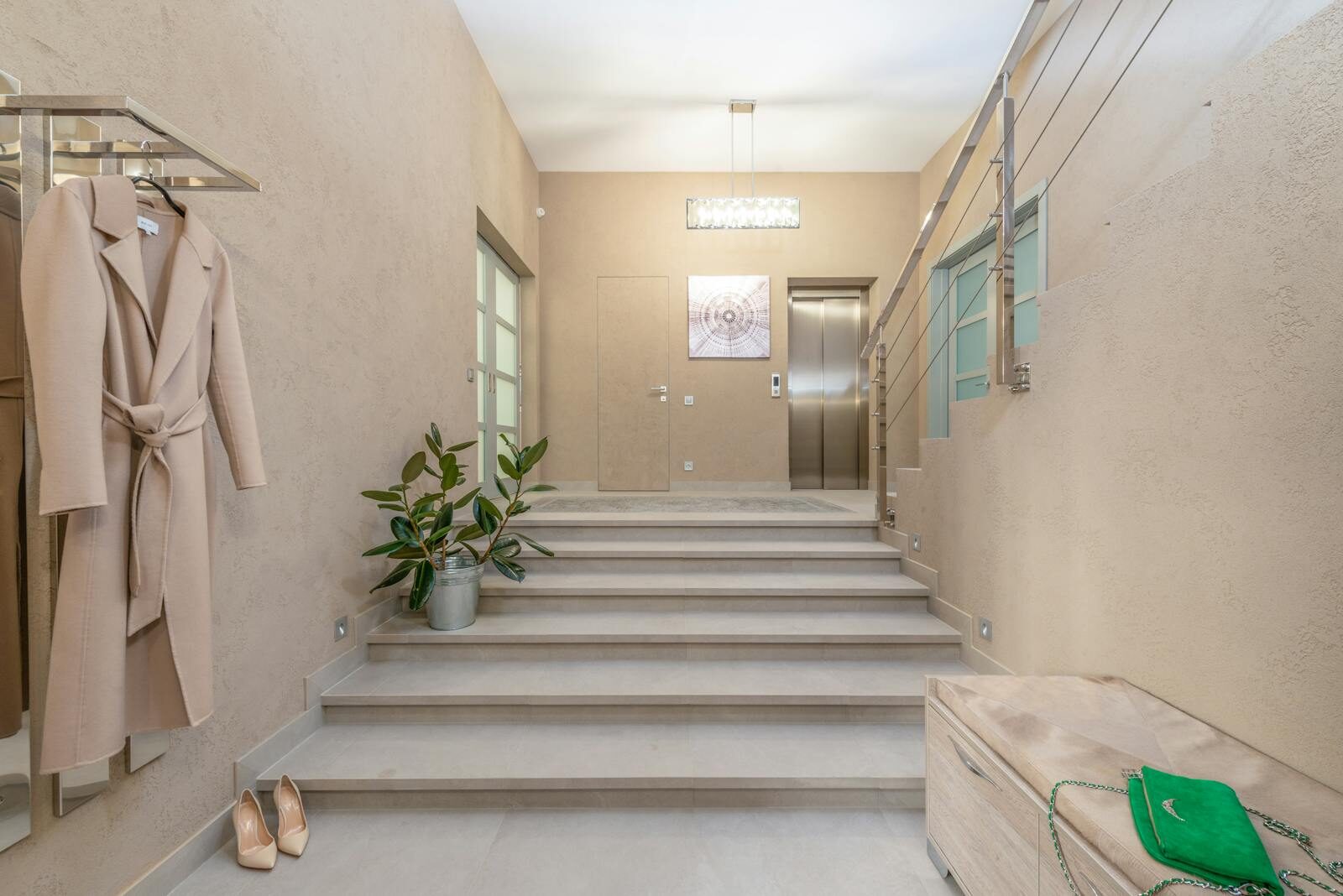
Most cleaners chasing growth focus on flats, offices, or Airbnb turnovers. Those leads are visible and easy to understand. But common area cleaning for HOAs (SVJ) and apartment buildings is where a lot of small teams in Prague can build steady income without getting dragged into endless price haggling. I see the same pattern all the time. The cleaners who lead with the cheapest monthly number get compared like a commodity. The ones who show a clear scope, a sensible frequency, and simple reporting usually get taken more seriously.
Why HOAs and property managers are such a useful source of stable work
The real value here is not one invoice. It is repetition. Stairwells get dirty again. Lift mirrors get fingerprints again. Entrance glass never stays clean for long, especially through a Prague winter when people drag in slush, salt, and wet grit. That is why HOA work matters so much if you want a more predictable calendar.
Instead of waiting for random one off jobs, you start building fixed blocks in the week. Tuesday morning for a smaller building in Vinohrady. Thursday early afternoon for a mid size block near Andel. First Monday of the month for a deeper clean in a newer building in Stodulky. It is not glamorous, but it is income you can actually rely on.
Cash flow tends to be calmer too. A domestic client can disappear after two visits because they are travelling, moving, or just cutting costs. A building contract can still end, of course, but the decision cycle is slower. You are dealing with a board or a property manager, and that changes the conversation.
It also changes what you are really selling. You are not only selling a clean floor. You are selling less hassle for the person responsible for the building. Property managers do not want messages every week about muddy stairs or a skipped basement corridor. HOA board members do not want to replace suppliers every three months because the "cheap option" turned into a headache. Residents mostly want to see that the entrance is clean and the place does not look neglected.
That is why apartment building cleaning is less vulnerable to a pure price war than domestic cleaning. A lot of decision makers have already been burned by low bids. They have seen missed visits, rushed work, constant staff changes, and fuzzy arguments about what was actually included. Once that has happened, reliability starts to carry real value.
What a property manager can understand quickly in your offer
This is where many cleaners lose the job before it even starts. They send a general price list, a few nice sounding lines about quality, and expect the manager to fill in the blanks. That rarely happens. If the scope is vague, the buyer compares numbers. Nothing else.
A useful offer for a building contract should be short, specific, and structured. I usually include these blocks. In plain terms, good property manager cleaning proposals remove guesswork before price even enters the conversation.
- address or building type the offer is based on
- exact scope by zone: entrance, stairs, hallways, lift, railings, window sills, basement corridors
- cleaning frequency: once a week, twice a week, three times a week, monthly glass cleaning, seasonal entrance care
- what is included in the routine price and what counts as extra work
- quality control or reporting method
- response time for complaints or unusual mess
If you send a line that says "from 2,500 CZK per month," you are inviting trouble. A property manager cannot picture what that includes, so they will compare you only on price. That is exactly the fight you are trying to avoid.
I also think it helps to mention consumables and responsibility in plain language. One short section is enough. For example: standard cleaning products and tools are included, but hygiene supplies for the building are not unless agreed separately. Or: exceptional mess caused by construction, moving day, or flooding is billed outside the regular package after approval. These small sentences prevent huge arguments later.
Frequency should match the building, not your template. An older walk up with lower traffic does not need the same regime as a newer development with two entrances and parcel deliveries all day. In central Prague, the street dirt alone changes the workload. Spring pollen shows up fast. Autumn means wet leaves. Winter is its own category. When you account for that early, you sound like an operator who understands building traffic, not someone pasting the same table into every email.
What should be visible on page one
A manager should see three things almost immediately: scope, frequency, and price. In that order. Then one short line on quality control. Maybe you confirm each visit. Maybe you send a monthly note on recurring trouble spots. It does not need to be fancy. It needs to feel manageable.
And please, do not write like a fake corporate facilities department. A normal, direct tone works better. Small teams win trust when they sound like real people who know how to mop a floor and manage a schedule.
How to approach an HOA or property manager without looking desperate
A lot of cleaners know they want recurring building work, but their outreach goes wrong. It is either a lifeless bulk email with no context, or a heavy discount that makes the normal price look made up. Neither helps.
A better approach is local, calm, and specific. Contact a real property manager or board chair handling buildings in your area. If you mainly cover Prague 2, 3, and 10, say that. Local response time matters more than broad claims about flexibility. If there is a mess in a lobby in Vrsovice, the manager cares whether you can respond quickly, not whether you notionally serve the whole country.
For a first outreach, three things are enough:
- a short introduction to your team and service area
- a sample routine scope for an apartment building
- one or two concrete references, if you have them
Those references do not need hype. A simple line is stronger: we currently handle a 24 unit building in Prague 6 on a twice weekly schedule including monthly entrance glass cleaning. That lands better than a page of generic claims about excellence.
How to offer a trial without giving away margin
Instead of a deep discount, offer a trial regime. One month on the proposed schedule, with a review point after two weeks. Or a one time initial clean of the common areas at your standard rate, followed by a decision on a recurring plan. That is the important distinction. You are not cutting your value. You are reducing the buyer's sense of risk.
That shift matters. A discount says "pick me because I am cheaper." A trial says "see how I work in a live building." And building work is always judged in live conditions, not in a PDF presentation.
If you are thinking about how to get cleaning clients without falling into a discount spiral, this is one of the most practical moves you can make. Talk less about being cheaper. Talk more about process. Who comes. How often. How quality is checked. What happens when something unusual comes up.
What matters after you win the first contract
The first month is a test. Not because anyone expects perfection, but because trust gets built fast or broken fast. In a private flat, a client may forgive a small miss because they know you. In a residential building, one muddy entrance after a rainy morning can trigger three complaints in the residents' chat before lunch.
That is why the first contract is won or lost on punctuality, consistency, and reporting. Punctuality is straightforward. If you say Monday morning, it should be Monday morning. Consistency means week four should not look visibly worse than week one. Reporting is what buys you peace for the next quarter.
The reporting itself can stay simple. For smaller buildings, a short monthly summary is often enough: routine visits completed, entrance cleaned more often during heavy rain, recommendation to replace a worn mat before winter. If something goes wrong, tell the manager before they have to chase you. That alone puts you ahead of many competitors.
I remember a small building in Prague 7 where the biggest frustration was the feeling that nobody knew whether the cleaner had even been there. Once the supplier started sending a short confirmation after visits and occasional photos of the entrance and stairwell, the complaints almost disappeared. The cleaning standard had not changed dramatically. The visibility of the service had.
Complaints and unusual mess
Complaints are easier to handle when you drop the defensive reflex. If someone says the basement corridor was missed, the worst reply is a long argument about whether it was technically in scope. The first answer should be short: thanks for flagging it, we will check, and we will come back with a solution. Only after that should you sort out whether it was a miss or a true extra.
This is the heart of it. HOA cleaning contracts do not stay healthy because you are always a little cheaper. They stay healthy because you are easier to work with. Managers do not want adrenaline. They want a supplier who shows up, does what was promised, and does not disappear when there is a problem.
How to set boundaries so the contract stays profitable
A lot of recurring work underperforms for one reason: extra tasks slowly stick to the contract without any real change in scope or billing. First it is a request to mop after painting work. Then a basement corner. Then more frequent entrance cleaning after every rain. If you do not set boundaries, the monthly fee starts leaking away.
Your offer and your ongoing communication should separate four things clearly:
- routine scope
- periodic tasks included in the package, such as monthly glass cleaning
- seasonal regime
- exceptional work outside the contract
Seasonality matters more in apartment buildings than many cleaners expect. Winter brings road salt, grey slush, and wet entrance floors. Spring means pollen and fine dust on ledges. Autumn means leaves and damp dirt carried inside. If you never explain that upfront, the client may feel blindsided when you recommend a heavier entrance routine in January than in July. If you explain it in the offer, it feels like normal operating logic.
How to discuss scope increases without a fight
It helps to lean on observation instead of emotion. Not "this is too much work," but "during the last three weeks the entrance and lift required repeated extra cleaning due to renovation traffic, so we recommend either separate one off interventions or a temporary increase in frequency for two weeks." Calm, factual, and defendable.
To say it plainly: a cleaner who wants to grow through HOAs and property managers does not need to be the cheapest line in the spreadsheet. They need to be the clearest operator in real life. Clear offer. Clear frequency. Clear response when something gets messy. Consistency in February, when everything coming through the front door looks awful. That is when one building turns into three referrals.
If you want steadier apartment building work in Prague and you are tired of competing only on price, start by tightening how you describe scope, reporting, and seasonal cleaning. Growth is often hiding there, not in another discount.
If you need a Prague based cleaning option or want to compare how common area cleaning could work in practice, CistýKout is a useful place to start. A simple contact conversation usually gets further than another race to the bottom on price. If you are still refining your pricing, it also helps to review pricing cleaning work.