
People ask how often to book home cleaning as if there must be one tidy answer: weekly, fortnightly, done. Real homes are not that cooperative. A quiet one-bedroom flat in Holešovice, where both people leave after breakfast and come back late, lives very differently from a family flat in Karlín where somebody is always making toast, wiping a spill, showering in a hurry, or hunting for a missing PE kit. The right rhythm is not the one that sounds disciplined. It is the one that stops the home from becoming a background argument.
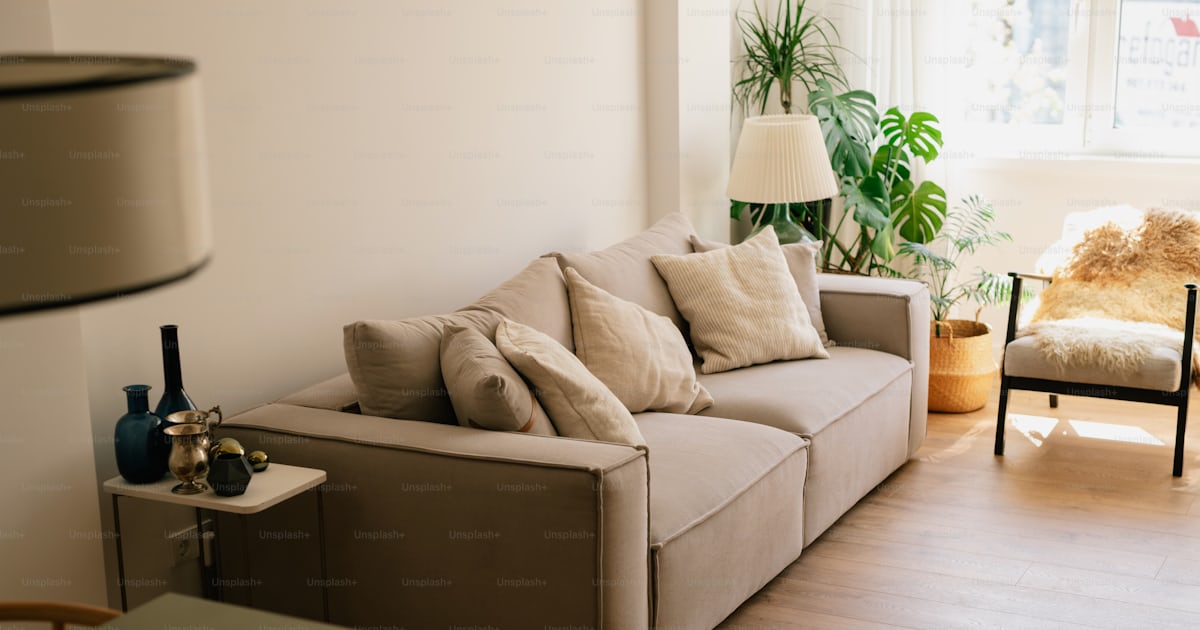
Why one schedule never works for everyone
This is the first thing people underestimate. Dirt does not build at the same speed everywhere. A single person who mostly eats out and sleeps at home can keep a flat decent for quite a while. A couple with a toddler can produce chaos between breakfast and nursery drop-off. Add a dog in wet weather and the hallway loses the fight by Tuesday. None of that is dramatic. It is just real life, and real life is what should set the frequency.
I would watch one signal more than the visible mess: when the flat starts costing you energy. Maybe the bathroom is not filthy, but you already know limescale is winning around the tap. Maybe the kitchen still works, yet the hob has that sticky film that means one quick wipe no longer cuts it. Once you feel that low-level dread, the current cleaning rhythm is already too slow.
When every two weeks is enough
Fortnightly cleaning suits smaller, calmer homes more often than people think. Petra and David in Letná are a very ordinary example: both work in the office, they are out for part of many weekends, and their flat mainly needs to stay civilised rather than camera-ready. In homes like that, a cleaner every two weeks can cover the bathroom properly, reset the kitchen, do floors and dust, and handle the jobs that mysteriously never happen, like skirting boards or the top of the fridge.
- one or two people live in the home
- most weekdays the flat is empty for long stretches
- there are no small children and no heavy-shedding pet
- you can cope with daily basics yourself, but you do not want your Saturday disappearing into the bigger reset
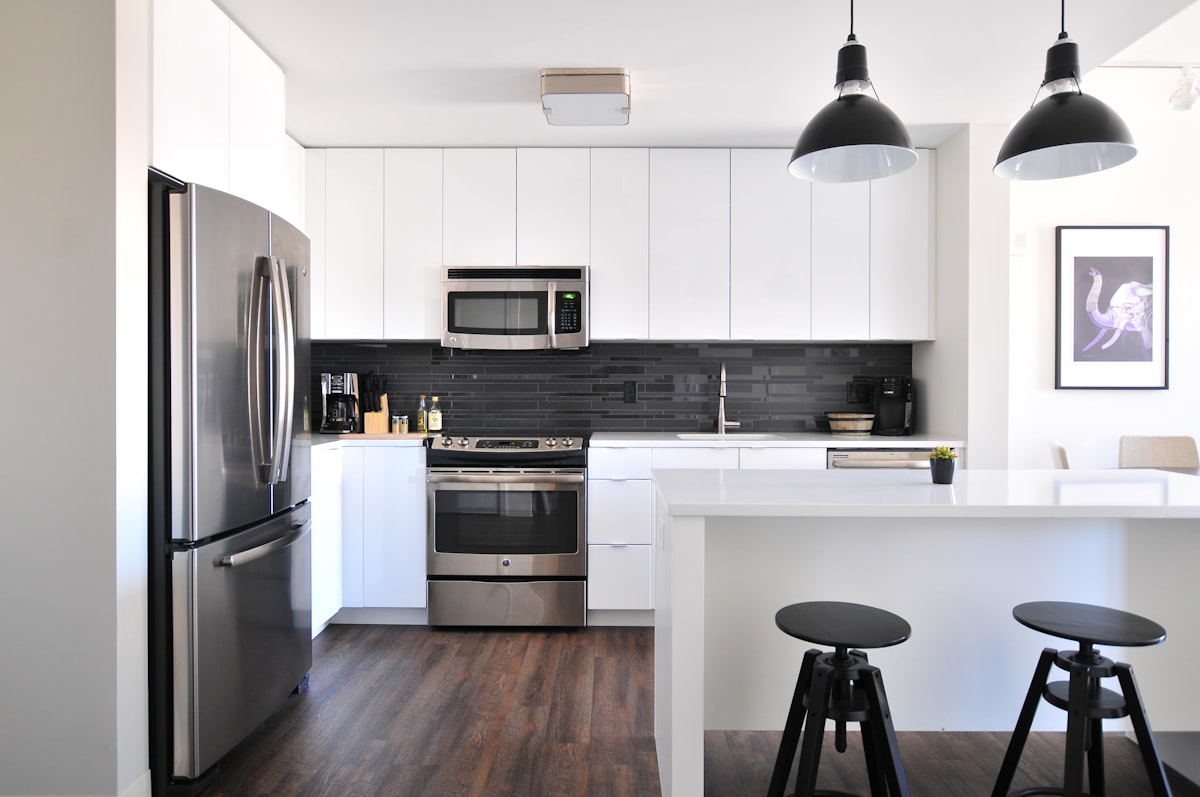
When weekly cleaning is the smarter move
Weekly cleaning usually makes sense in homes that get used hard, not in an Instagram sense but in a normal Czech weekday sense. Breakfast dishes still on the rack. School bags by the door. Someone working from the dining table. A shower used by three people before eight in the morning. In those homes, the problem is rarely one huge mess. It is the small accumulation: crumbs under the table, fingerprints on glossy kitchen fronts, hair in the bathroom corners, dust that comes back before the week even feels properly started.
People who switch to weekly help often say the nicest part is not the shine. It is Friday evening. They stop ending the week with that annoying mental calculation about whether Saturday should be spent resting, catching up, or doing both badly. In Prague, regular cleaning commonly sits around 350 to 500 CZK an hour depending on area and scope. That is real money. So is losing half the weekend again and again because the flat has slipped just far enough to demand a rescue operation.
What children, pets, and remote work really change
Three things push the frequency up again and again: children, pets, and working from home. Children mean crumbs, handprints, laundry piles, and a bathroom that never gets a proper day off. Pets make floors, sofas, and the entrance hall harder work, especially in November when every walk comes back damp. Remote work is easy to underestimate, but it changes the house all day long. The coffee cups multiply. The loo gets used more. Lunch happens at home instead of somewhere else. The home simply takes more wear.
If two of those three are happening at once, I would usually start with weekly cleaning and only step back later if the household proves calmer than expected. The opposite route is irritating. People try fortnightly visits because it sounds economical, then spend ten days holding things together with decent intentions and cheap wipes, and by the third week they are back to scrubbing the shower late on Sunday.
- small children usually push up the need for floor, bathroom, and kitchen cleaning
- pets mean more vacuuming, more mopping, and more wiping around the entrance area
- working from home adds hidden wear to the kitchen, toilet, and everyday living zones
- when all three happen together, weekly help or a weekly-plus-deep-clean setup is usually the sensible start
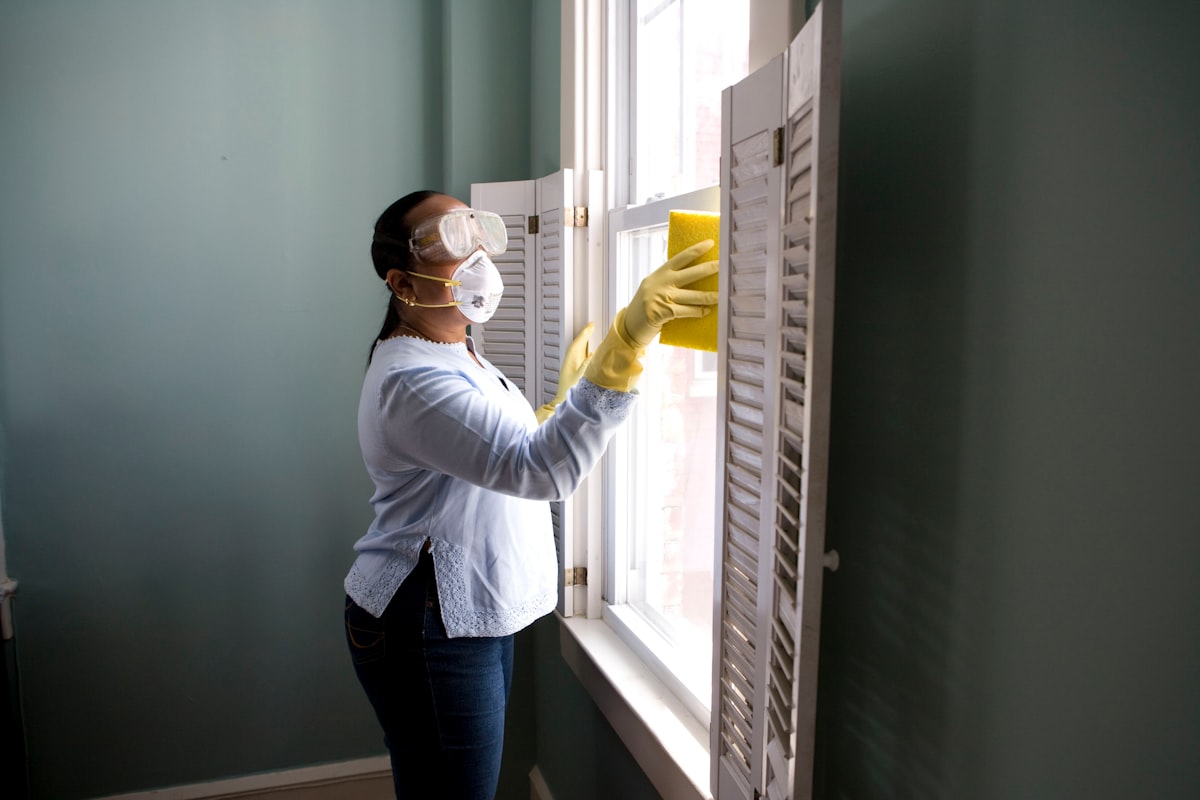
How to choose the frequency without making it a project
The best test is boring, which is why it works. Watch the flat for two weeks. Not with a spreadsheet. Just pay attention. On which day does the bathroom start irritating you? When does the kitchen stop feeling under control? When do the floors begin to feel like another task waiting in the corner? If the answer is day seven or eight, then a fortnightly plan is probably optimistic. If you are still comfortable after twelve days, weekly help may be more than you need.
A mixed rhythm is often the sweet spot. Regular cleaning weekly or every two weeks, plus a deeper visit before Christmas, after illness, after moving, or after one of those months when nobody has had the bandwidth to stay on top of anything. That approach is more honest than pretending every home should run on one polished routine. Homes do not need to feel like hotels. They need to stop draining the people who live in them.
Start a little smarter, not a little tougher
If you are undecided, start from the load your home carries now, not from the version of yourself who always stays on top of everything. A smaller flat with a quiet routine often does well every two weeks. A family flat, pets, or remote work usually points to weekly help. And if you are still hesitating, it is often easier to start slightly more often for a month and then cut back. Getting a home down from tired chaos is harder than easing off from a good baseline.
At CistýKout, the point is not to obey some abstract rule about what a tidy home should look like. The point is to take pressure off the places where daily life keeps snagging: the bathroom that never quite gets reset, the kitchen that is always nearly clean, the floor that somehow needs doing again. When the frequency is right, the difference feels simple. Your weekend stops looking like unpaid catch-up work.