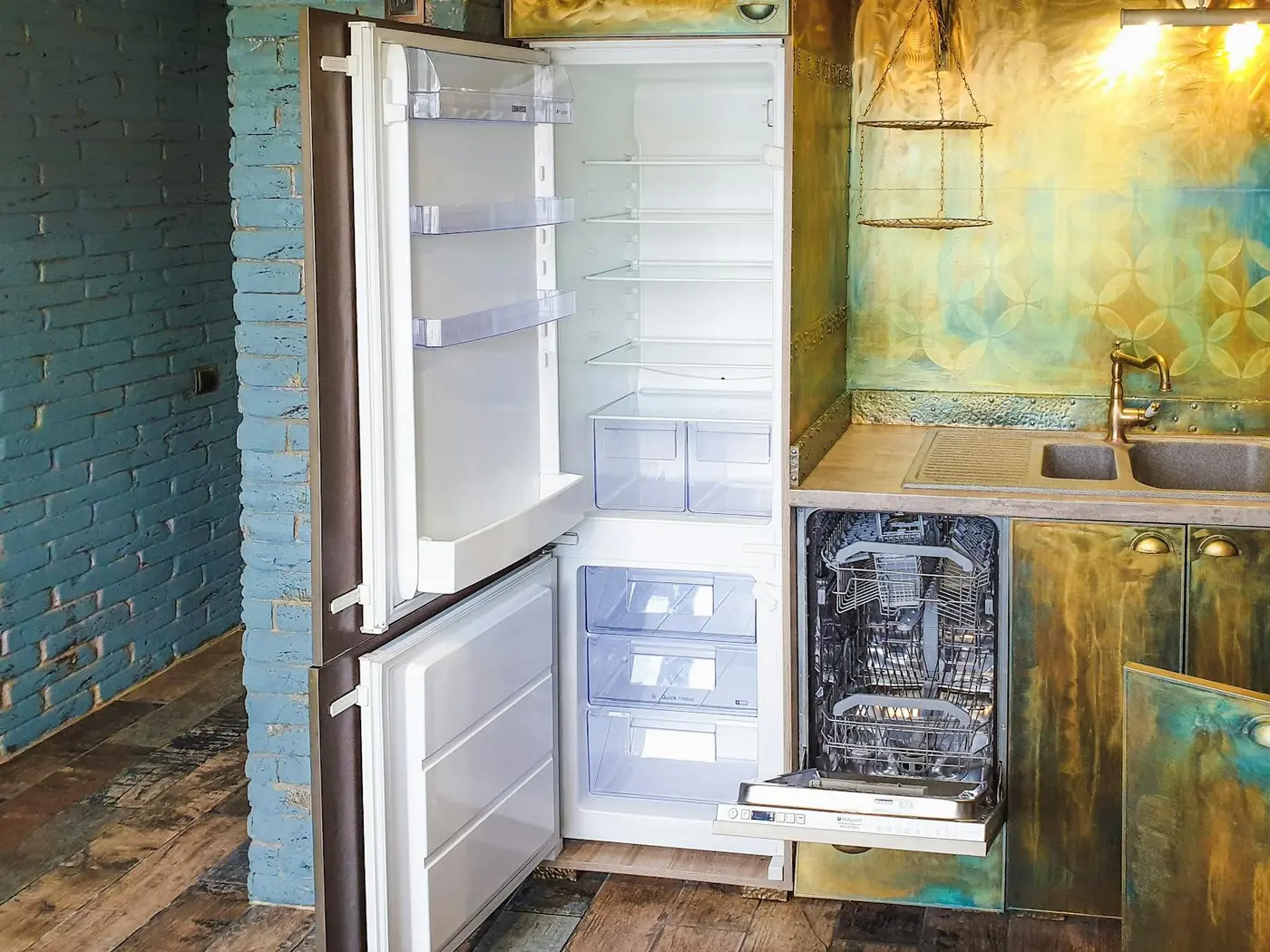
If you are searching for how to clean a fridge before summer, the real issue is rarely one dirty shelf. In Prague flats and busy family kitchens, it is usually a pile-up of small things that got ignored for too long: a bad smell in fridge every time the door opens, water hiding under the vegetable drawer, tired rubber seals, a half-blocked drain, old frost in the freezer, and a kitchen that still feels stale even after the counters were wiped. Summer heat turns all of that up fast. That is why I would treat this as a pre-summer hygiene reset, not a quick cosmetic wipe.
Why it makes sense to deal with the fridge and freezer before summer
Warm weather exposes weak spots fast. A tiny spill from soft tomatoes, a damp fold in the gasket, or a bit of food caught near the drawer rail can sit quietly for days. Then the kitchen gets warmer, the fridge opens more often, and suddenly the smell becomes obvious. People usually blame one old yogurt. In practice, it is more often a combination of moisture, residue, and poor airflow.
That is the difference between a normal wipe and a proper clean. A normal wipe catches the visible shelf marks. A real clean deals with the hidden dampness under drawers, the grease film on the seal, the drain where condensation collects, and the thin freezer frost layer that no longer looks dramatic because everyone in the household got used to it.
I see this a lot in rented flats and family kitchens before holidays. One kitchen in Dejvice looked fine at first glance. The shelves had been wiped. Expired food was not piling up. Still, every time the door opened, there was that sour, heavy smell. The problem was lower down: standing water under the bottom drawer, a blocked drain with bits of leafy salad, and early dark staining inside the gasket folds. That is typical. The source is often hidden in two or three small places at once, which is why the smell keeps "coming back" after a surface clean.
The freezer matters just as much. Old frost makes drawers harder to move, compromises how well the door closes, and traps moisture where it should not stay. Leave it until the first proper hot spell and the whole appliance starts feeling harder to manage. That means more mess, more odor risk, and usually higher power use as a bonus.
How to empty the appliance safely and prepare for cleaning
Start at a cool time of day if you can. Early morning works well. So does late evening after the kitchen has calmed down. Get a cooler bag or insulated box ready for sensitive food, plus a few absorbent towels, a bowl for any water, and one clear worktop for items that are definitely going back in. That small setup matters more than people think. Without it, the whole job turns into food spread across the counter, panic about dairy getting warm, and a much longer clean than necessary. In smaller flats, that basic staging step is what stops the clean from taking over the whole kitchen.
Take out high-risk food first: raw meat, dairy, deli items, cooked leftovers, and anything for children that really should stay cold. Put those straight into the cooler. Drinks, jams, mustard, soy sauce, and sturdier condiments can wait a little longer. This order keeps the stressful part under control.
Whether you need to switch the fridge off depends on the depth of the clean. If you are doing a fast refresh in under twenty minutes, maybe not. If you want a proper result that includes shelves, seals, drain cleaning, and drying time, switching it off is usually the better call. You avoid fighting the cold back wall, you can use water more freely, and you are less likely to rush the awkward bits. For the freezer, switch it off before defrosting. That one is not really optional.
Sort everything into three groups:
- going back in
- check date or condition
- bin it
This is where many households lose time. An unlabeled box. A half-finished dip from the weekend. A jar no one wants to claim. The mystery items are usually worse for workflow than the dirt itself. In smaller Prague kitchens, especially panel flats with limited worktop space, I would use baskets or trays right away. Once the contents spread across the hob, sink edge, and dining table, the clean starts feeling bigger than it is.
One more practical point: do not rest cold items on a warm windowsill in direct sun. It sounds obvious, but people do it during summer cleaning. Use the coolest available surface and keep perishables grouped together. The point is not to create a second problem while solving the first one.
How to clean the interior, shelves, seals, and drain
For food-zone cleaning, you usually do not need aggressive chemicals. Warm water, a little dish soap, a microfiber cloth, and a soft brush handle most of it. The goal is not to mask odor with a strong lemon scent. The goal is to remove the source and leave every surface properly dry.
Start with removable parts. Wash shelves, drawers, and door bins separately. If something is sticky, do not attack it dry. Lay a warm damp cloth over the area for a minute, then wipe it off. That approach is faster and kinder to plastic.
Then clean the inside from top to bottom, paying attention to corners, runners, lower trims, and the space under the vegetable drawer. That is where diluted vegetable juice, crumbs, dressing residue, and condensation often sit for weeks. If you are wondering why the bad smell in fridge complaints keep coming back even after a visible wipe, this is usually the answer.
Fridge seal cleaning deserves patience. The gasket can look fine from the front while holding grease, dampness, and early mold in the folds. Open the folds gently, wipe them carefully, and dry them well. No hard scrubbing. No sharp tools. If the seal stays wet, the problem comes back.
Fridge drain cleaning is the step people skip most often. In many models, the small drain hole sits low at the back of the fridge interior. When it blocks, condensation has nowhere to go, so water collects under the drawers and starts smelling stale. A cotton swab, a narrow soft brush, or the tool supplied by the manufacturer is usually enough. The key is to clear the opening without forcing debris deeper in. If water keeps reappearing under the bottom drawer two or three days later, check again.
It also helps to look around the appliance, not only inside it. Dust and greasy buildup behind the fridge or underneath it can make the whole kitchen smell tired, especially in compact flats where the appliance sits close to the cooker. Odor absorbers or an open dish of baking soda can soften the after-smell a little, but they do not fix the root cause. If the gasket stays damp or the drain stays blocked, the smell usually comes back.
How to defrost and clean a freezer without damaging surfaces
If you want to know how to clean a freezer safely, start with the main rule: never go at frost with a knife, screwdriver, or metal scraper. It looks like a shortcut. It is a very bad gamble. One wrong movement and you can damage the lining or worse.
Switch the freezer off, empty it, and leave the door open. Put towels on the floor and a tray or roasting tin underneath if you expect more meltwater. A bowl of warm water inside the compartment helps loosen frost. Warm cloths can help too. What does not help is impatience.
Once the ice starts releasing, lift it away gently by hand or with a soft tool approved by the manufacturer. Check drawers, corners, tracks, and the door edge properly. That is where little ice ridges, food crumbs, and torn packaging tend to hide. In real kitchens, especially the kind where the freezer gets packed before holidays, those details are what make drawers stick and doors close badly.
Dry every surface before switching the freezer back on. Then check the seal. Dirt or leftover ice on the edge can stop the door from closing tightly, which is how frost builds up again sooner than it should. If you have a combined fridge-freezer, use the chance to wipe under and behind the appliance too. In older Prague blocks where the fridge is pushed tightly into a narrow kitchen run, that hidden strip collects a depressing mix of dust, crumbs, and old grease.
One thing people underestimate: a freezer can look "mostly fine" and still be wasting effort every day. If drawers drag, frost grows around the corners, or the seal does not sit neatly, the appliance is telling you it needs attention.
How to stop odors and clutter from coming back during summer
The first easy mistake after a deep clean is putting everything back while parts are still damp. The second is hiding older open food behind new shopping. What is already open should sit where you can see it. That simple rotation does more for odor prevention than most fridge gadgets.
A quick weekly routine works better than one heroic clean twice a year. During a grocery unpack or before the weekend, check what needs using first, wipe the lower shelf if needed, glance under the vegetable drawer, and look at the drain area. Five minutes is enough. Honestly, that small habit does more in a real household than an exhausted three-hour cleaning marathon once every few months.
A few habits carry most of the load:
- keep opened sauces on a tray or shallow box
- store raw meat in a closed container
- do not leave soft fruit hidden at the back of a drawer
- wipe greasy handles and lower door edges now and then
- before a holiday, leave as few risky leftovers behind as possible
- if you use baking soda for odor control, use it after drying and cleaning, not instead of it
A practical monthly checklist looks like this:
- shelves and drawers without sticky residue
- dry seals with no dark staining
- drain area clear and no standing water
- freezer drawers moving freely
- no heavy dust buildup under the appliance
When does a professional kitchen deep clean make sense? Usually when the fridge is only one part of a wider problem. Greasy extractor filters, sticky cabinet fronts, dust around appliances, a reset after tenants, or a pre-holiday kitchen overhaul are all cases where it is easier to do the whole zone properly in one visit.
If that sounds familiar, ČistýKout is a practical Prague-based option. You can send a no-pressure enquiry through the contact form. If you mention that you want the fridge, freezer, seals, drain area, and the space behind the appliance cleaned as part of a wider one-off clean or deep cleaning visit, the brief will be clearer and the quote more precise. More importantly, you are less likely to end up repeating the same cleanup a week before a summer trip.