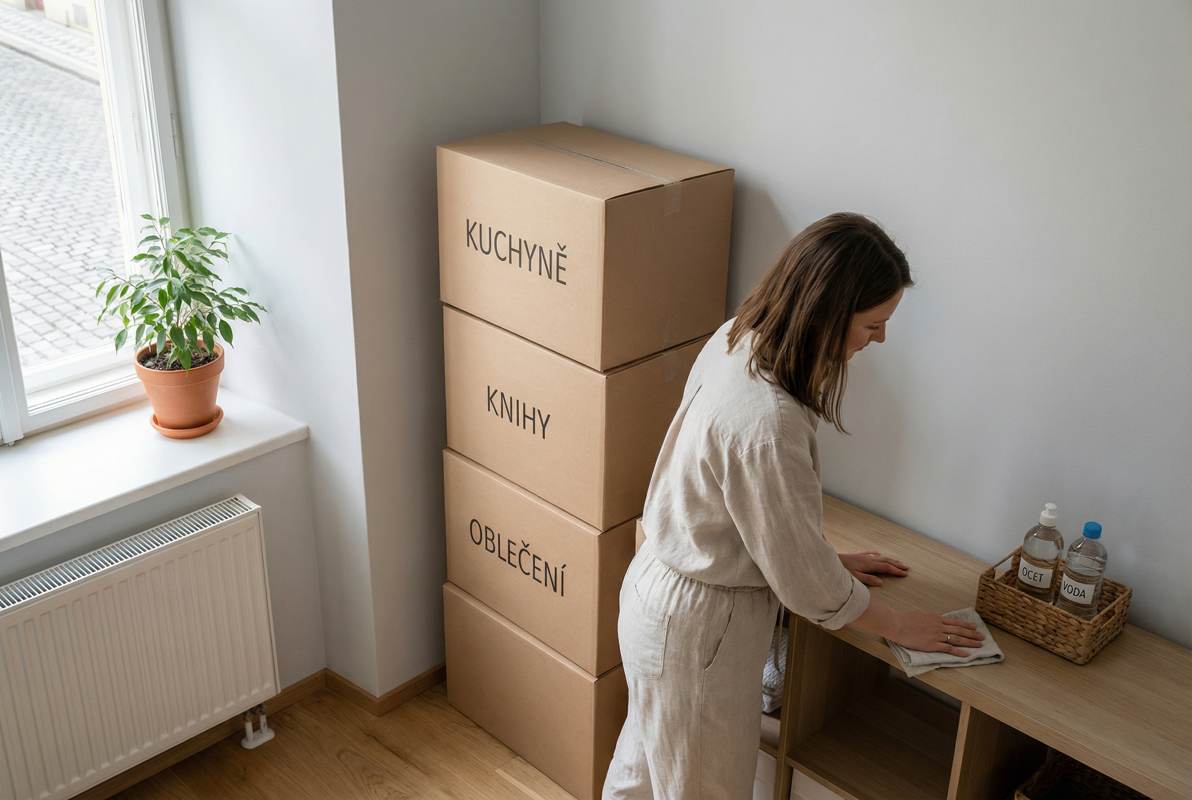
Preparing an apartment for a move usually gets messy when people treat three different jobs as one. You have to decide what is coming with you. Pack it. And still leave the flat in a condition that feels fair to hand over. Once those jobs collapse into one final weekend, stress spikes fast. Eva and Michal, moving out of a rental in Prague 9, thought two days would be enough. On Friday evening they were still sorting wardrobes, on Saturday morning they were hunting for bubble wrap, and late that night they were scrubbing the oven. In the end they said the move itself was not the worst part. The worst part was trying to do everything at once.
A calmer system works better. Plan first. Declutter next. Pack by priority. Clean in stages. The final day should be short, not heroic. It also helps to know which tasks people underestimate, which details tend to matter during handover, and when paying for help is less about luxury and more about protecting your time and sanity.

Start with the calendar, not the boxes
A very ordinary mistake comes first. People start packing before they map the timeline. The timeline is what keeps the whole move from slipping. Write down the handover date for the old flat, the access date for the new one, the van or movers booking, utility transfers, and the time block for the final clean. Leave a buffer between the last load leaving and the actual handover. A few hours is good. Half a day is better. Anyone who schedules handover twenty minutes after the van pulls away is usually buying themselves avoidable panic.
- 14 days before: confirm dates, collect boxes, tape, markers, and protective packing material.
- 7 days before: sort room by room and decide what is not worth taking further.
- 3 days before: pack everything except daily essentials and clean the less-used zones.
- 1 day before: leave out only the final-night basics, medication, documents, chargers, and toiletries.
Split the apartment into four zones instead of one giant mess
Three zones are a good starting point, but four work better in real moves. 1) Items leaving early. 2) Items you still need until the end. 3) Items for donation, sale, or disposal. 4) Items and surfaces that stay in the flat and must look clean at handover. Once those zones are physically separated, decisions get quicker. It also prevents a classic mistake: packing away your cleaner, cloths, extension lead, and phone charger before the job is actually done.
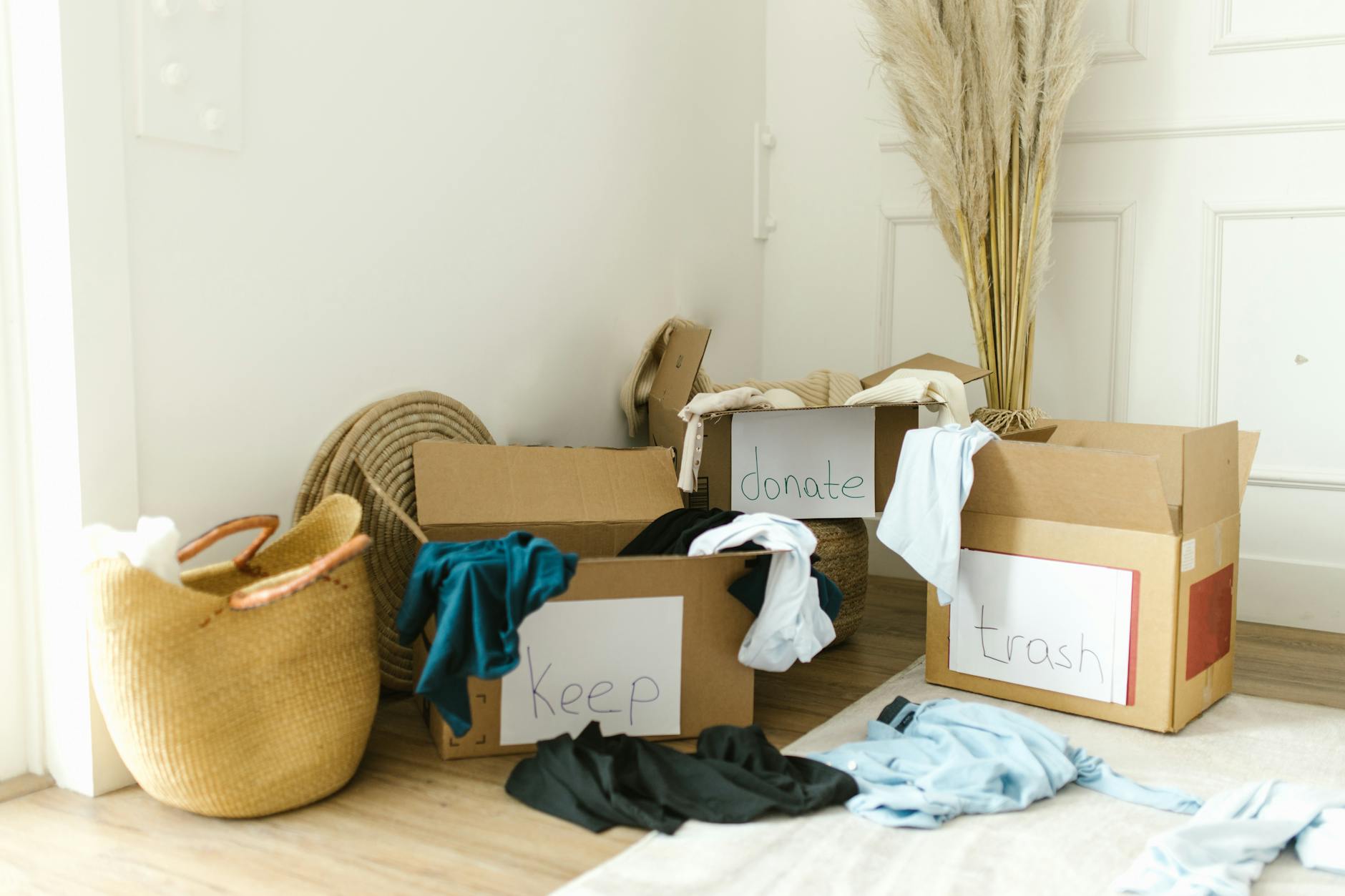
What usually is not worth moving
- almost-empty cleaning products you do not trust anymore
- damaged kitchen items and lonely pieces of crockery
- clothes you have not worn in a year
- paper piles and drawer clutter with no real purpose
Pack by function, not only by room
Writing "bedroom" or "bathroom" on a box only helps halfway. It is more useful to label boxes by when you will need them after arrival. Good categories are open first, within 24 hours, and can wait. That one shift means you are not digging through ten similar boxes looking for a kettle, towels, or a power strip on the first night. Fragile items belong in smaller boxes. Heavy items like books and tools do too. Large boxes invite overpacking and make the move harder than it needs to be.
A simple phone note also helps. Give each box a number and write down two or three key contents. Not a perfect inventory. Just enough to know where the glassware, chargers, or bed screws ended up.

Keep one last-day essentials bag outside the system
The final night and the first morning after a move are usually the most chaotic moments. Prepare one bag or crate that does not disappear into the stack. Put in documents, keys, contracts, medication, toiletries, chargers, basic clothes, a towel, toilet paper, rubbish bags, a cloth, an all-purpose cleaner, and something easy to eat. For families, add the child essentials that keep bedtime normal: favourite toy, nappies, pyjamas, maybe a night light. It sounds small. In practice it decides whether the first evening feels manageable or like an avoidable emergency.
Clean as you empty the apartment, not after everything is gone
The flat does not need one giant cleaning session at the end. Working in layers is much easier. When the top shelf of a wardrobe is empty, wipe it then. Once the microwave and small appliances are unplugged, clean underneath straight away. When decorations come down, vacuum the corners and skirting boards. That turns the last day into a final check instead of a rescue job. This is where a lot of moving stress can be prevented.
The spots that get checked more often than people expect
- the oven, extractor hood, and grease around the hob
- the shower screen, taps, and limescale in the bathroom
- inside the fridge and freezer if they stay behind
- skirting boards, windowsills, corners, and furniture marks
- light switches, sockets, handles, and door frames
- cupboards and drawers that reveal settled dust once emptied
How to use the final 48 hours well
The last two days need a clear rhythm. Day minus two: finish sorting, pack books, decor, and seasonal items, clean the bathroom and the kitchen areas you no longer need. Day minus one: keep out only minimal dishes, bedding, and clothes, finish food packing, defrost the fridge if necessary, and reconfirm logistics. Day zero: move the items out, walk the empty flat room by room, wipe the final marks, take photos of the apartment condition, and only then handle handover. If you leave the photo record until after handover, you lose useful protection in case of a dispute.
When you can handle it yourself - and when help is simply the smarter move
DIY is usually realistic when the flat is small, you have time in reserve, and the home is not badly neglected. Help becomes worth it when several pressure points pile up at once. That often means a long-term rental, pets, small children, post-renovation dust, moving between cities, or a schedule where old-flat handover nearly overlaps with new-flat access. In that situation, it can make sense to outsource the kitchen, bathroom, windows, or the final deep clean. You are not only paying for labour. You are buying calm, precision, and a few hours of sleep.
- Cleaning help is the better spend if the flat is empty but still heavily soiled.
- Moving help matters more if you have heavy furniture, upper floors without a lift, or difficult access.
- You probably need both if the handover and move-in timing leave almost no margin.
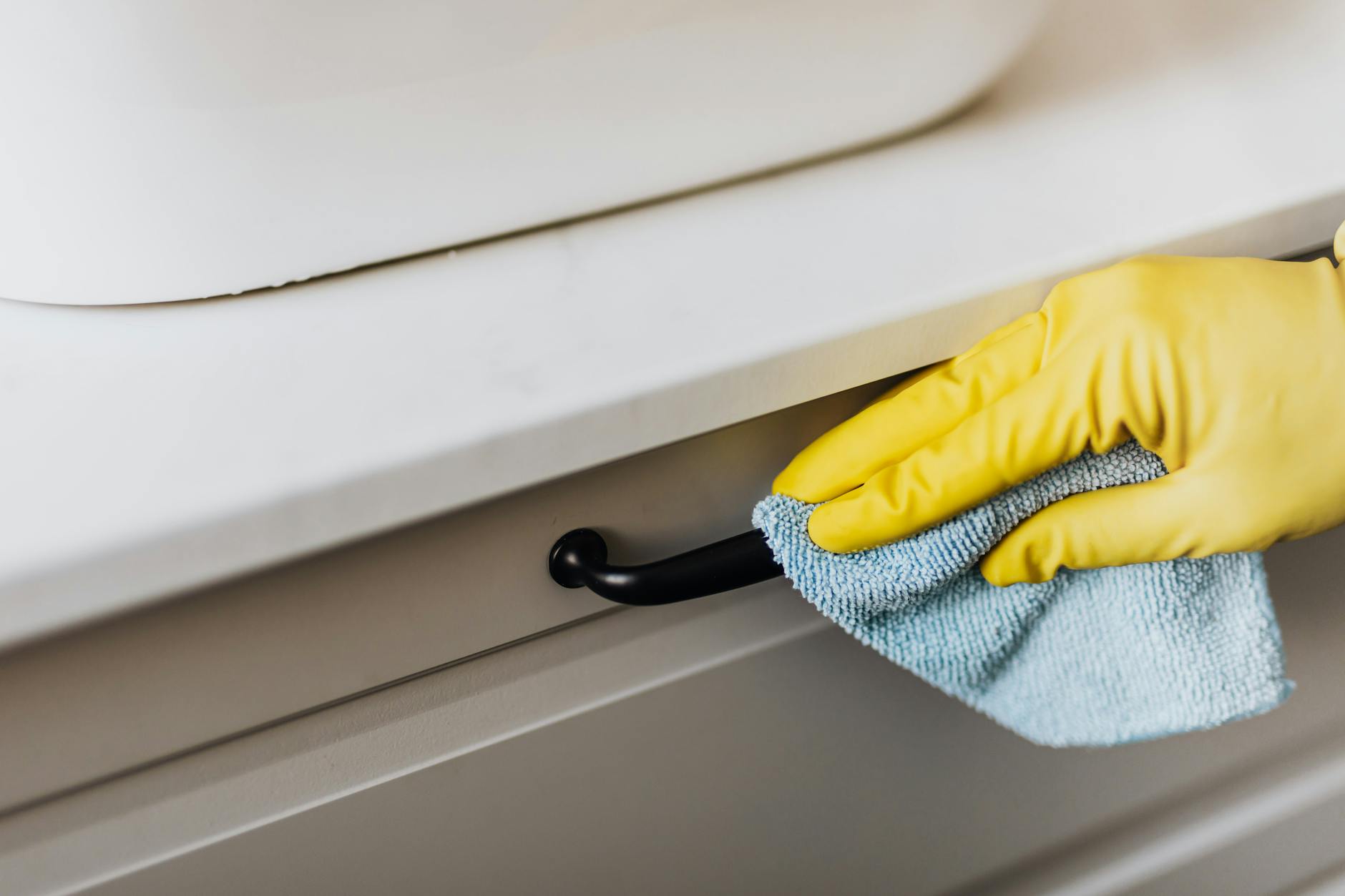
The mistakes that make the last day more expensive and more exhausting
- packing without decluttering first, then paying to move things you do not need
- wildly optimistic timing for the kitchen and bathroom
- packing away the cleaning kit before the flat is actually ready
- unlabeled boxes and no essentials bag
- no photo documentation before handover
- trying to "finish somehow" after midnight when everyone is already spent
A short handover checklist before you lock the door
- cupboards, drawers, fridge, and storage spaces are fully empty
- the bathroom and kitchen do not smell damp, greasy, or stale
- keys, meter readings, and apartment photos are set aside
- you know exactly where the essentials bag is in the new home
- your final inspection buffer is still intact in the schedule
Room by room: where the work usually hides
The kitchen almost always takes longer than people expect. Not because it is the biggest room, but because it holds the most detail work: grease on upper cabinets, crumbs in drawers, the oven, the fridge, the area behind the bin. Bathrooms look small but steal time through limescale, grout, and taps. Living rooms are often faster if clutter has already been reduced. Bedrooms become difficult because of wardrobe volume and textiles. Hallways are small, easy to dismiss, and often the last place to get walked over again right before handover.
- Kitchen: keep a separate time block for the oven, extractor hood, and fridge.
- Bathroom: allow soaking time for limescale instead of expecting one quick wipe to solve it.
- Bedroom: tackle wardrobes and textiles early so the bed does not turn into a last-night storage hill.
- Hallway: leave it late, but not too late, or you will dirty it again after everyone leaves.
Two common moving scenarios that need different planning
Someone leaving a small studio rental needs a different system from a family moving out of a three-room flat after five years. In a smaller place, the problem is usually space compression. Boxes take over quickly, so fast sorting and regular trips out of the apartment matter a lot. In a larger household, the real challenge is volume and decision fatigue. There it helps to label boxes both by priority and by destination room in the new home. It also helps if people split responsibility clearly. One handles documents and timing. One handles kitchen packing. One keeps the shared areas workable. When everyone tries to do everything, the move usually becomes slower and sloppier.
What to check if the deposit or a smooth handover matters
In a rental, this is not only about appearances. It can affect money. If you want the deposit conversation to stay calm, walk through the flat as if you were the next person entering it. Clean surfaces are not enough if corners are dusty, the fridge smells stale, or the bathroom still shows water marks. Small fixes may also be worth a look: tightening loose handles, removing temporary hooks, filling small picture holes if that fits the tenancy agreement and the condition of the flat. You do not need to renovate the place. But the difference between "empty" and "ready to hand over" is very visible in the details.
If you want a move with less stress, stop thinking about it as one big performance. It is a series of smaller decisions in the right order. Declutter first. Pack by priority. Clean in stages. Leave the last day only for the jobs that truly belong there. And if the kitchen, bathroom, or final move-out clean clearly do not fit into your real week, CistýKout can help you find support before the final day turns into a night shift.