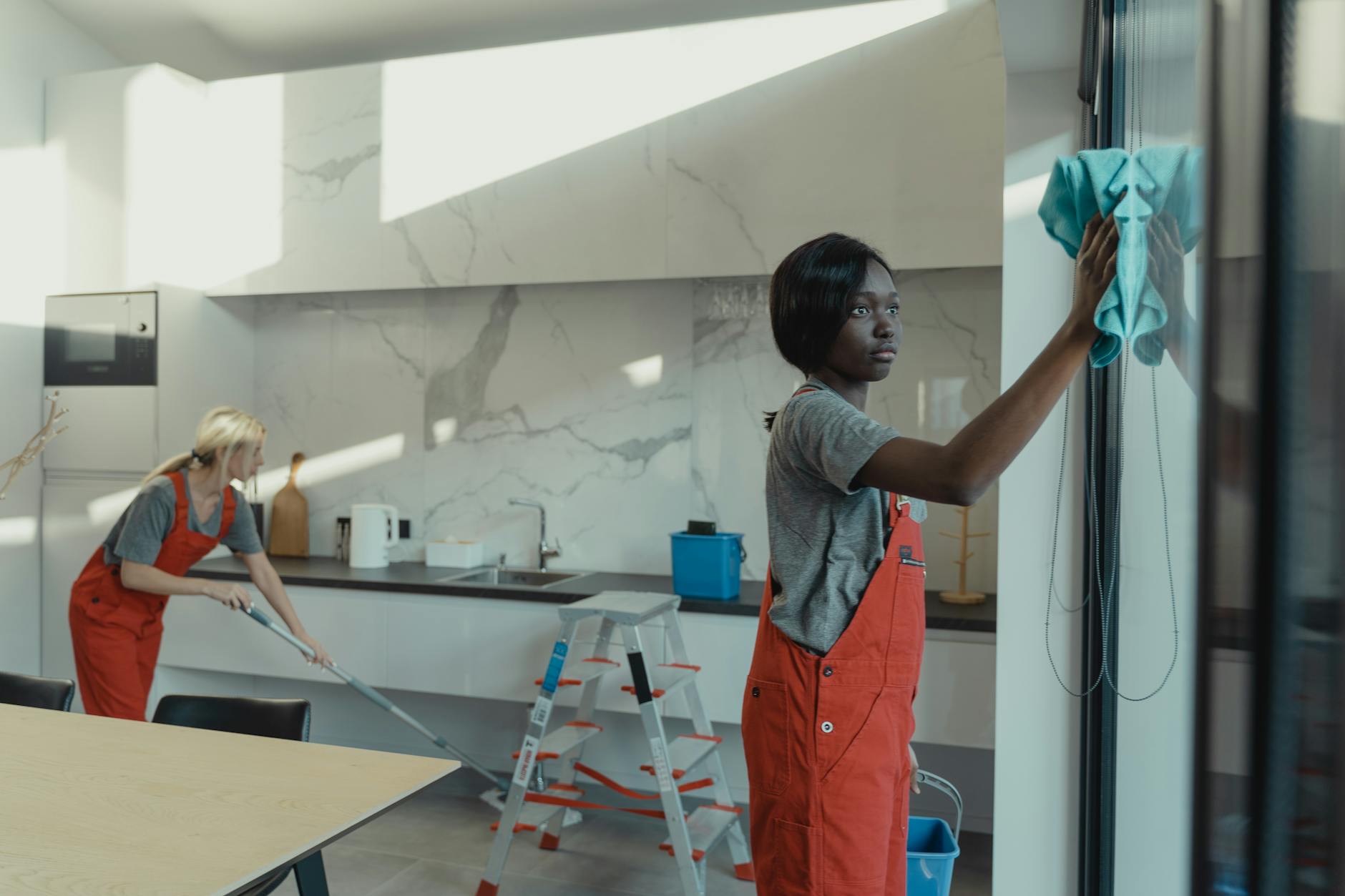
A lot of cleaners in Prague shoot themselves in the foot with pricing. They look at the dirt they can see. They guess the hours. They round the number down because they're terrified of losing the job. Then reality hits. You're dragging gear across town on a crowded tram. That standard first clean turns into a brutal degreasing marathon. The client catches you at the door with a smile. "Can you just do the oven really quick?" That's the exact second your theoretical pricing falls apart and you realize you are working for free.
You need a pricing model that defends your time. Period. Especially if you're flying solo or running a small crew around the Czech market. Otherwise, you aren't running a business. You're just working a low-paid job where you happen to be the boss. It is an easy trap to fall into, but a very hard one to climb out of once your schedule is full of cheap jobs.
I wrote this for operators. Not clients. If you're trying to figure out how to price cleaning services without ending up resentful and broke, this is the part that matters. I'm going to show you exactly where your profit vanishes in Czech residential cleaning. Hourly rates. Flat fees. Travel time. Chemicals. Handover cleans. We'll look at how to lay this out on your CistýKout profile so you look like a seasoned pro, not someone doing this for weekend beer money.
What must be included in your cleaning price
If I could fix one thing in how cleaners quote, it's how they calculate time. Time isn't just the minutes your vacuum is running. It is every single minute you dedicate to that specific client.
Work time includes more than cleaning time
Look at a real job. You hunt for parking on a crowded street. You wait outside for keys. You haul a vacuum up five flights of stairs in some old Vinohrady walk-up because the lift is broken again. You walk through the flat. You document pre-existing damage so you don't get blamed later. You pack up your dirty gear. A basic two-hour clean easily burns three hours of your day. That gap kills your margin.
Say you have a standard 2+kk flat. After a month of regular visits, it takes two and a half hours. It is easy money. But that first visit? The bathroom is crusted in hard water. The kitchen tiles are glued with years of cooking grease. That takes four hours. Minimum. Probably more. If you quote that first visit the same as the tenth visit, you're losing money before you even put your gloves on.
Travel and dead time are part of the job
Dead time between jobs is the silent killer. People budget for fuel or a Litacka pass. They forget that going from Prague 4 to Prague 9 at three in the afternoon wrecks the entire schedule. That transit is working time. It doesn't matter if the client sees you doing it. You cannot sell that hour to anyone else.
I use travel zones. It's blunt and clients get it. Local jobs get almost no surcharge. Wider Prague gets a fixed fee tacked on. Outer edges or Central Bohemia? The travel cost is baked straight into the quote.
People rarely argue if you're upfront about it. The fighting starts when you try to hide your travel costs in a bloated hourly rate. You end up looking insanely expensive to the guy who lives next door. And you severely undercharge the woman out in Říčany who takes an hour to reach.
Supplies, tools, laundry, and wear are real costs
Chemicals cost money. Heavy-duty microfiber cloths. Good professional descalers. Industrial bin bags. Mop heads that actually absorb dirt. Vacuum filters. Washing dirty rags at high temperatures every night. Replacing broken brush heads. None of this is free. Stop paying for it out of your own pocket by pretending it doesn't matter.
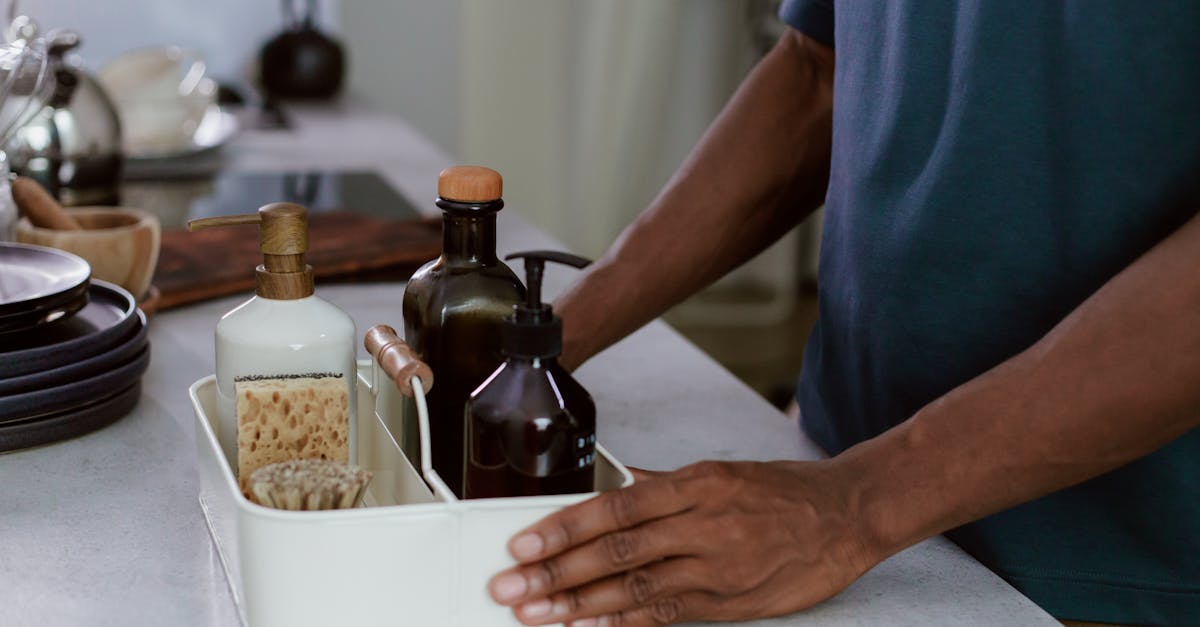
Sit down and run your numbers this week. Take your consumable costs from the last two months. Add in tool replacement. Divide by the hours you actually worked. You'll see your real hourly rate is garbage compared to what you tell people. For some, it's a small dent. For others, it's fifty crowns an hour or worse. That's the difference between making a living and just surviving the month.
When to use hourly pricing and when to use a flat fee
People fight over this online constantly. It's a waste of breath. Both models work perfectly well. You just need to know exactly when to deploy them.
Hourly pricing works best when the scope is uncertain
First visits. Neglected flats. Hoarder situations. Handovers where the owner ghosted you on the details. Anything where you only have three blurry photos on WhatsApp to judge from. That is when you use an hourly rate. You need room to breathe and actually fix the mess without watching the clock in a panic.
Tell them straight. "It's X CZK an hour. That covers standard supplies. A flat this size usually takes Y hours. But I will confirm the final scope when I see the actual state of the place." It works because it's honest.
Never just drop a raw number. People will instantly compare you to a random student on a Facebook group. Give them the context. Explain what the rate covers and why it takes that long. People calm down when they see you actually have a system instead of a random guess.
Flat fees are stronger for repeat clients
Regulars hate surprises. They don't want a mini negotiation every Thursday afternoon. Once you know the flat and the dirt levels, give them a flat fee. It's easier for them to budget. It's much easier for you to bill.
This is exactly how you set up your CistýKout profile. "Regular 2+1 cleaning from 1,690 CZK." That builds instant trust. A vague "prices vary" line just makes people click away to the next profile. Obviously, complexity changes the final price. But you must give them a baseline to work with.
The hybrid model is often the most practical
Most smart operators do both. The first clean is hourly because it is unpredictable. Once the place is baseline clean, they move to a flat fee for maintenance. Extras stay completely separate. Cleaning inside the oven. Windows. Scrubbing a balcony. Post-renovation dust. Never roll those tasks into your base rate. You will always underestimate how long an oven takes.
How to price regular, deep, and handover cleaning
These look similar on a website menu. In reality, they are completely different animals. Price them accordingly, or you will regret it.
Regular cleaning
Frequency dictates the price. Weekly is totally different from monthly. A weekly flat is just maintenance. A monthly flat is a rescue mission every single time you walk through the door.
Build frequency into your pricing. Weekly is your base rate. Fortnightly gets a fifteen percent bump. Monthly gets a thirty percent bump.
This isn't a penalty. It's math. A month of accumulated dirt takes significantly longer to scrub than a week of light dust. Do not give away that extra labor for free.
Deep cleaning
Deep cleans will break you if you quote them blind. It's brutal, exhausting work. Hard water scale built up for years. Grease glued to kitchen cabinets. Black mould deep in the grout. Burnt ovens that need three rounds of chemicals. You must see it in person first. Or demand highly detailed photos. Otherwise, you're working for free by hour six.
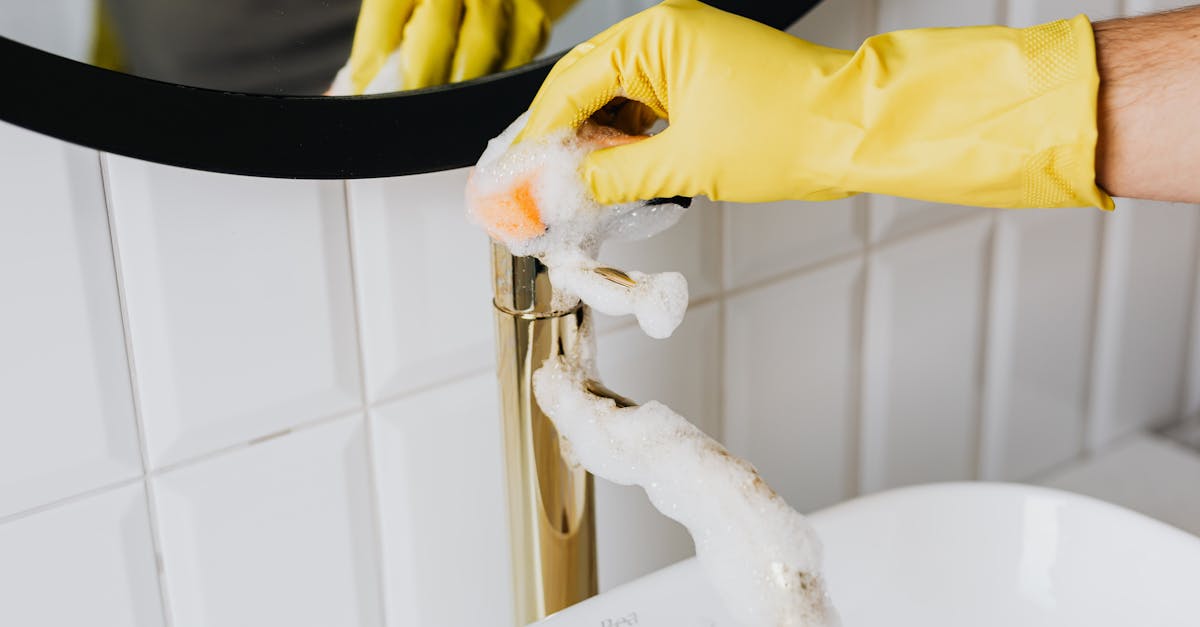
List your add-ons separately. Don't hide them. Inside the fridge. Terrace scrubbing. Next-day emergency bookings. You do this to stop arguments before they happen. If they want the deep clean, they pay for the deep clean.
Handover cleaning
Handovers are a massive trap. A client says they just need a "quick wipe down before giving the keys back." What they actually mean is the landlord is a psycho and the entire deposit is on the line. The pressure is huge. If you miss a single spot on a door frame, you get angry phone calls.
I price these on scope, deadline, and risk. If the keys are being handed over in three hours, that stress costs extra money. If the flat has to look perfect for real estate photos tomorrow morning, charge a premium. If you don't charge for the headache, you're just absorbing their problems for free.
The most common pricing mistakes small cleaners make
Cleaners rarely overcharge. They undercharge because they are terrified. They discount the job in their head before the client even replies to the email.
Copying competitors without knowing your own numbers
Looking at another cleaner's website tells you nothing useful. Maybe they only work one street over. Maybe they make the client buy the chemicals. Maybe they operate strictly in cash. Maybe they are going bankrupt next month. If you copy their prices without doing your own math, you're just copying their mistakes.
Ignoring travel in a city that eats time
Prague traffic will destroy your margin. Taking a job in Dejvice and then one in Chodov on the same afternoon is stupid. Route planning is the absolute easiest way to give yourself a raise without charging the client a single crown more. Stop driving across the city for cheap jobs.
Giving discounts without rules
First-timer discounts. Loyalty deals. Getting bullied into matching a cheaper quote from someone else. It's a fast race to the bottom. If you drop your price, have a hard reason. Put a strict limit on it. Otherwise, clients quickly learn that your first price is fake.
How to present prices on your profile so they look professional
The number isn't the only thing that matters. Presentation is everything. A clean, structured profile screams professionalism. A messy profile screams amateur hour.

Show packages and add-ons clearly
On your CistýKout profile, split everything up clearly. Regular. Deep. Handover. Tell them exactly what is included. More importantly, tell them what isn't included. Good clients appreciate boundaries. Bad clients will hate it, which is exactly what you want. You do not want to work for people who demand extras for free.
Define the scope before people imagine their own version
Does a standard clean include the inside of the microwave? Changing beds? Scrubbing the baseboards? Say it out loud. Write it down. If you don't, the client will assume it's included. That's exactly how fights start at the end of a long shift.
Make the price sound firm, not apologetic
Stop saying things like "prices are only an estimate." Say this instead: "Final price depends on size and condition. First cleans are custom quoted. Repeat cleans move to a predictable flat fee." Stand your ground. Sound like you've actually done this before.
That's the bottom line. Pricing exists to protect your business. A lowball number might win a quick booking in the short term. A real, structured price wins a profitable business in the long term. If you want to see how this actually works in the Prague market, have a look at the CistýKout contact form. It is a Prague-based cleaning option and a useful benchmark for serious operators. Crystal clear pricing always beats a vague, cheap number.