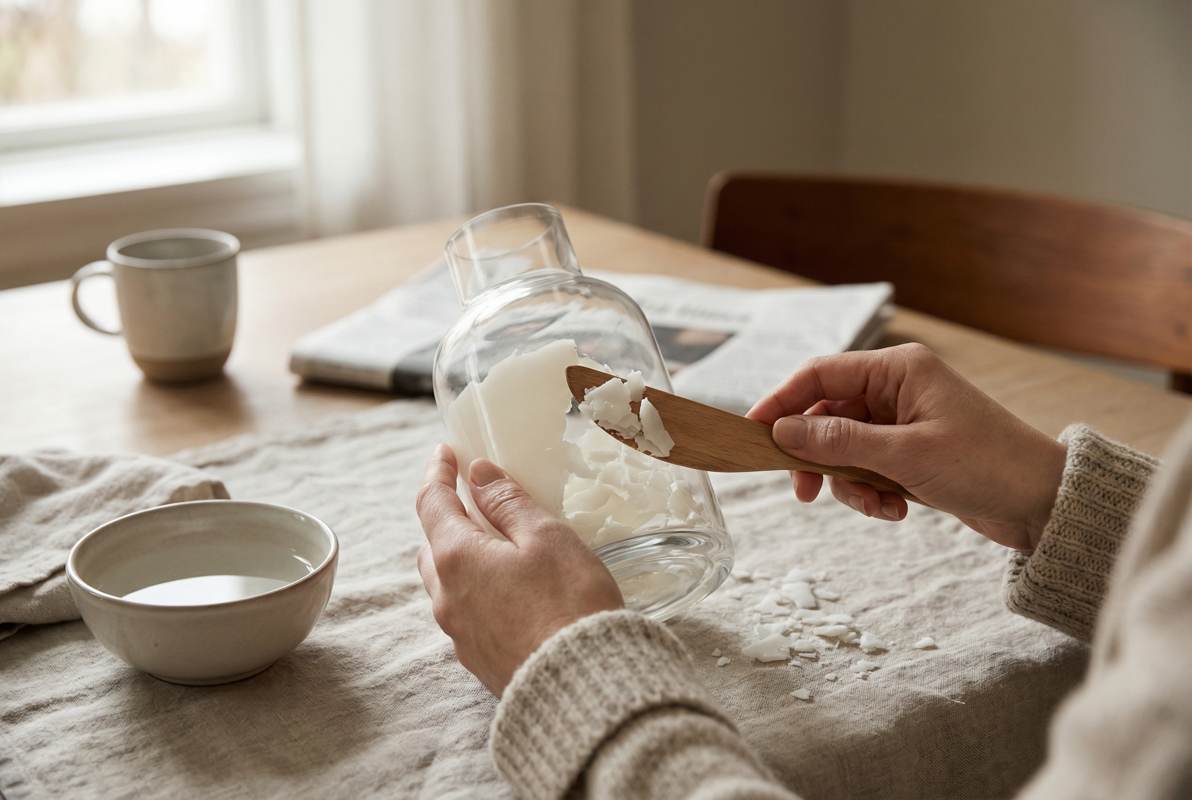
Candle wax inside a vase always looks manageable at first. Then it cools, hardens and turns into a stubborn layer at the bottom, a drip down the side or a greasy film that refuses to wash off. This is the point where many people make the same mistake: they treat every vase the same. The safer method depends on the material. A trick that works on ordinary glass can leave acrylic cloudy, damage a delicate crystal rim or push oily residue deeper into stone or concrete.
If you need a reliable answer to how to remove candle wax from a vase, start with the vase itself. In this guide, you will find practical cleaning methods for glass, crystal, ceramic, porcelain, metal, plastic, acrylic and porous materials. We will also cover when cold works better than heat, how to lift wax without scratching the surface, what to do with greasy residue afterwards and which common shortcuts are most likely to ruin a good vase.
Start by identifying both the wax and the vase material
Before you reach for hot water or start scraping, pause for a moment. The result depends on two things: the type of wax and the material of the vase. Soy wax is usually softer and tends to wipe away more easily with mild warmth. Paraffin often leaves an oily film behind. Dyed and scented candles can add another problem, especially on matte, porous or lightly textured surfaces where colour and fragrance oils cling more easily.
- Glass and thick crystal: usually respond well to gradual warming and careful lifting.
- Thin crystal, hand-cut crystal and vintage pieces: are much more vulnerable to sudden temperature changes.
- Ceramic and porcelain: can often handle gentle warmth, but cracks in the glaze and decorative finishes need extra care.
- Metal: warms quickly, which helps with wax removal, but some finishes stain or dull easily.
- Plastic and acrylic: should be treated as heat-sensitive materials, so cold methods are usually safer.
- Stone, concrete, terrazzo and composites: tend to hold onto greasy residue even after the solid wax is gone.
Useful tools you probably already have at home
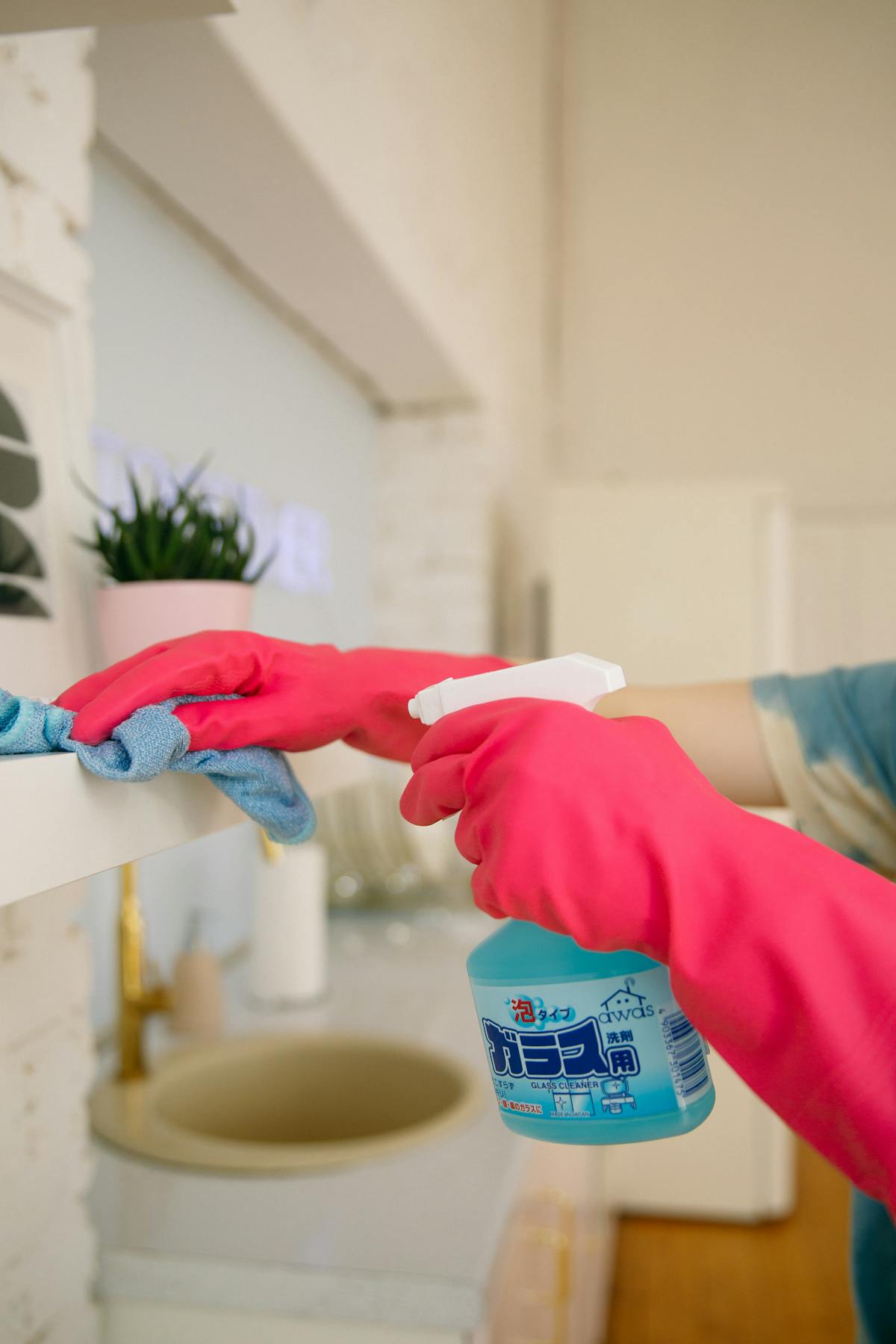
You do not need a specialist cleaner or a box of harsh products. In most cases, simple household tools are enough. The goal is not to force the wax out. It is to change the wax so it lets go more easily, either by making it brittle with cold or soft enough to wipe away with gentle heat.
- Two bowls: one with lukewarm water and one with ice water, or an ice pack wrapped in cloth.
- A wooden spatula, silicone scraper or old plastic card with a smooth edge.
- Microfiber cloths and paper towels for wiping away oily residue.
- Mild dish soap for routine cleaning.
- A hair dryer on a low setting for controlled warming from the outside of the vase.
- A folded towel to steady tall or slippery vases while you work.
When cold works better than heat
Cold works best when the wax is thick and solid. Once chilled, it becomes more brittle and is easier to lift in larger pieces. Gentle heat works better when you are dealing with a thin smear, wax caught in texture or the greasy film left behind after the main wax has already been removed. In everyday cleaning, the safest route is often a combination of both.
- Cold-first method: ideal for acrylic, plastic and any vase that seems delicate or heat-sensitive.
- Warm method: helpful for ordinary glass, stronger ceramic and many metal vases, as long as the temperature stays moderate.
- Combined method: usually the most practical choice because you can remove the thick wax first and clean the residue afterwards.
If you are unsure what the vase is made from, start with the gentlest option. Chill the wax, lift off the larger pieces and only then move on to lukewarm water or light warming if residue remains.
A general method that works in most cases
- Step 1: Inspect the vase for hairline cracks, chips, glued details or weak decorative edges.
- Step 2: If the wax is thick, cool the outside of the vase with ice for 5 to 10 minutes.
- Step 3: Lift the edge of the wax with a wooden, silicone or flexible plastic tool. Do not use a knife or anything sharp.
- Step 4: Once the large pieces are out, soften the thin remains with lukewarm water or gentle heat applied from outside.
- Step 5: Wash away the oily film with dish soap and a microfiber cloth.
- Step 6: Dry the vase fully and finish with the right polishing or protection for that material.
One small trick makes the job easier. If the vase is tall and narrow, lay it on its side on a folded towel instead of trying to work straight down into it. You get better control, the vase is less likely to slip and you are less tempted to use too much pressure.
Glass vases: warm slowly and finish with a good degrease
Ordinary glass is usually the easiest material to deal with, but it still dislikes sudden temperature changes. If the vase came from a cold room or windowsill, let it come to room temperature first. Then use lukewarm rather than boiling water. The wax will start to loosen without putting the glass under unnecessary stress.
- Pour a small amount of lukewarm water into the base of the vase.
- Wait a couple of minutes for the wax edge to soften.
- Lift the wax gently with a silicone scraper or plastic card.
- Throw the wax into paper or a bin, never down the drain.
- Wash with warm soapy water and polish dry with microfiber.
- If a rainbow-like film remains, wipe it with a cloth lightly dampened with rubbing alcohol.
Crystal and cut crystal: patience matters more than speed
Crystal often looks sturdy, but fine rims, cut patterns and older decorative pieces can be surprisingly vulnerable. The safest approach is slow, indirect warming. Avoid pouring in hot water or concentrating heat in one spot for too long. It is better to work in short cycles and let the wax release gradually.
- Do not use boiling water or a microwave.
- Warm from the outside in short, gentle passes.
- Avoid sideways pressure on cut edges and decorative ridges.
- Finish with a soft cloth and careful drying so no mineral marks remain.

Ceramic and porcelain: watch the glaze and decorative details
Glazed ceramic and porcelain usually cope well with mild warmth, but the surface details matter. Wax and colour from candles can settle into tiny flaws in the glaze, small cracks or matte decorative areas. That means the wax may come away while a dull patch or faint stain remains. In those cases, the cleanup needs to stay gentle from beginning to end.
- On smooth glazed surfaces, start with lukewarm water and a soft scraper.
- On matte or slightly porous pieces, let the wax harden fully and remove it in small pieces.
- If colour remains, test a mild baking soda paste in a hidden area first.
- Be especially careful around hand-painted decoration, gold trim or antique porcelain finishes.
Metal vases: quick to warm, quick to scratch
Metal has one big advantage: it transfers heat quickly, so wax tends to soften fast. The downside is that some finishes react badly to rough tools or strong cleaners. Stainless steel is usually forgiving. Brass, copper, painted metal and lacquered surfaces are not. Work gently and keep the cleaning products simple.
- Lift the wax first, then wipe with a warm damp cloth.
- Avoid abrasive pads on polished or coated metal.
- Test rubbing alcohol first if the finish looks delicate or coated.
- Dry the vase straight away to prevent water marks and uneven patches.
Plastic and acrylic: avoid hot methods
Plastic and acrylic are the easiest materials to damage by accident. Hot water, steam or too much heat from a dryer can warp the shape, leave cloudy marks or create a faint rippled surface. For these vases, cold is usually the safest route. Let the wax harden completely, chill the vase from the outside if necessary and peel the wax away with a flexible tool.
- Do not use boiling water, steam or a hot hair dryer.
- Use only plastic, silicone or wooden tools.
- Remove the final greasy film with lukewarm water and mild dish soap.
- Keep acetone and harsh solvents away from acrylic because they can permanently cloud the surface.
Stone, concrete and terrazzo: the grease can be harder than the wax
Porous materials create a different problem. The solid wax may come off without much trouble, yet a darker oily patch can remain behind. With stone, concrete and terrazzo, the safest order is remove the solid wax first, blot the residue gently and keep heat to a minimum. Too much heat can drive the oily part deeper into the surface.
- Let the wax harden fully before lifting it at a shallow angle.
- Use paper towel to absorb softened grease if needed, with only brief distant heat.
- Clean with a stone-safe product or a very mild soap solution.
- Let the vase dry completely before deciding whether more treatment is needed.
- If the piece was sealed before, consider renewing the seal after cleaning.
Mistakes that cause more damage than the wax itself
- Pouring boiling water into a cold vase.
- Using a knife or metal scraper inside the vase.
- Holding heat on one spot for too long.
- Pouring melted wax into the sink or drain.
- Using strong chemicals without testing them first.
- Skipping the final drying and polishing step.
Aftercare: how to get the vase looking good again
Getting the wax out is only the first half of the job. The finish matters too. Glass and crystal usually need a proper dry polish to regain clarity. Ceramic and porcelain should be checked around decorative edges and the base. Metal should be dried immediately. Acrylic should be wiped lightly without pressure. Stone and concrete need time to dry fully before you judge whether any shadow is still left.
When it makes sense to call a professional
If the vase is expensive, antique, hand-painted, sentimental or already damaged, there is no shame in stopping early. The same applies when wax has run deep into a narrow neck, a glued seam or a highly textured detail that is difficult to reach safely. Professional cleaning is not necessary for every vase, but it can be the smarter option when the risk of damage is high.
Safety notes worth keeping in mind
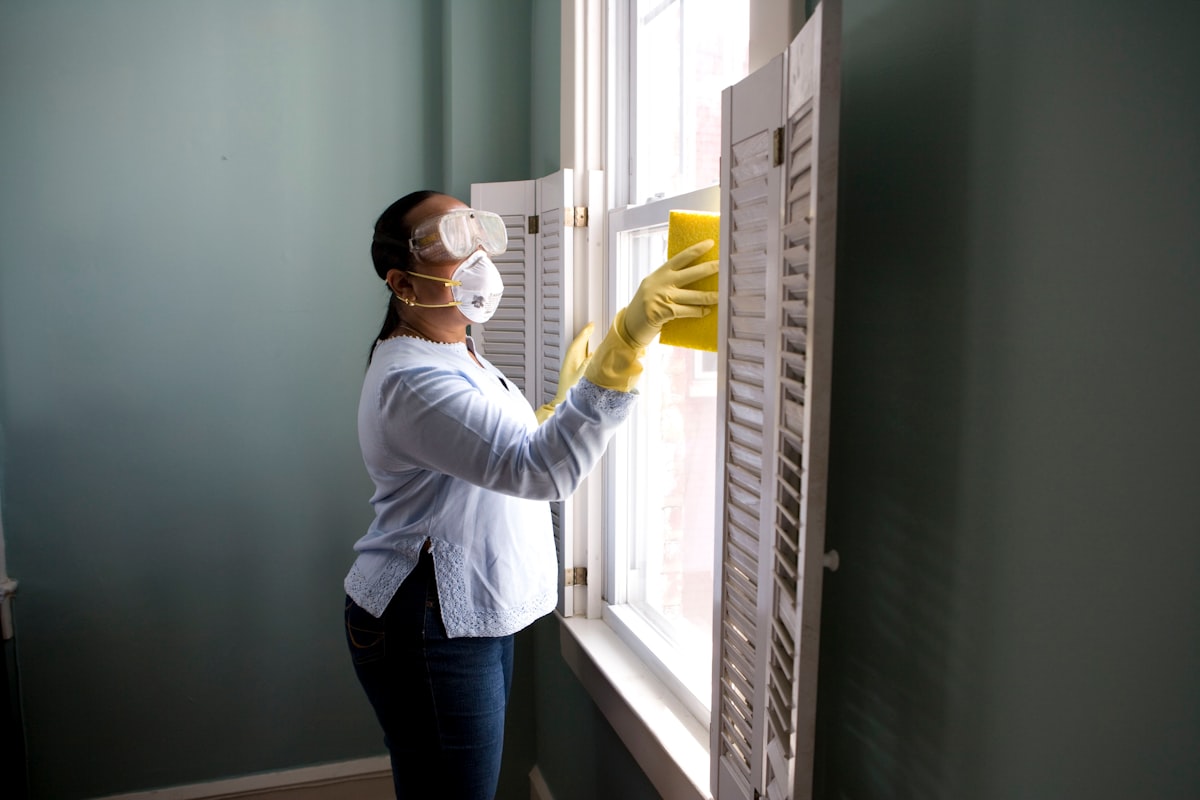
- Work on a stable surface and place a folded towel underneath the vase.
- Keep a hair dryer moving in short passes instead of heating one spot continuously.
- If you use rubbing alcohol, keep it away from open flame and ventilate the room well.
- Heavy stone or concrete vases become harder to handle once water is involved, so lift them with both hands.
- Catch melted wax in paper or a container rather than letting it run into the sink.
- If you are unsure about the material, start with cold, soft tools and lukewarm water.
Quick material cheat sheet
- Glass: lukewarm water, gentle lifting, then degrease.
- Crystal: indirect warmth, short cycles, no temperature shock.
- Ceramic: adapt to the glaze; matte surfaces need more caution.
- Porcelain: be careful around decoration and metallic trim.
- Metal: wipe quickly, avoid scratches, dry immediately.
- Plastic and acrylic: use cold methods and avoid solvents.
- Stone and concrete: remove solid wax first, then treat the oily residue.
Frequently asked questions
Can I put the vase in the freezer? Sometimes, yes, especially if it is a small, sturdy glass or plastic vase. Keep the chill brief and avoid this shortcut with delicate crystal, vintage pieces or anything that already has cracks.
Will the dishwasher help? Usually not. Dishwashers tend to smear wax and move oily residue around rather than remove it cleanly. There is also the risk of wax ending up in the filter.
What if the vase still feels greasy afterwards? That usually means paraffin or fragrance oil is still sitting on the surface. On glass and metal, a second wash with soap followed by a little rubbing alcohol on a cloth is often enough. Porous materials are better treated with several mild cleanings rather than one aggressive one.
One final tip for next time: if you want to place a candle inside a vase, use a small insert, cup or stable base underneath it. That barrier makes future cleaning much easier. But if the wax is already in there, matching the method to the material gives you the best chance of saving the vase without scratches, cracks or dull patches.