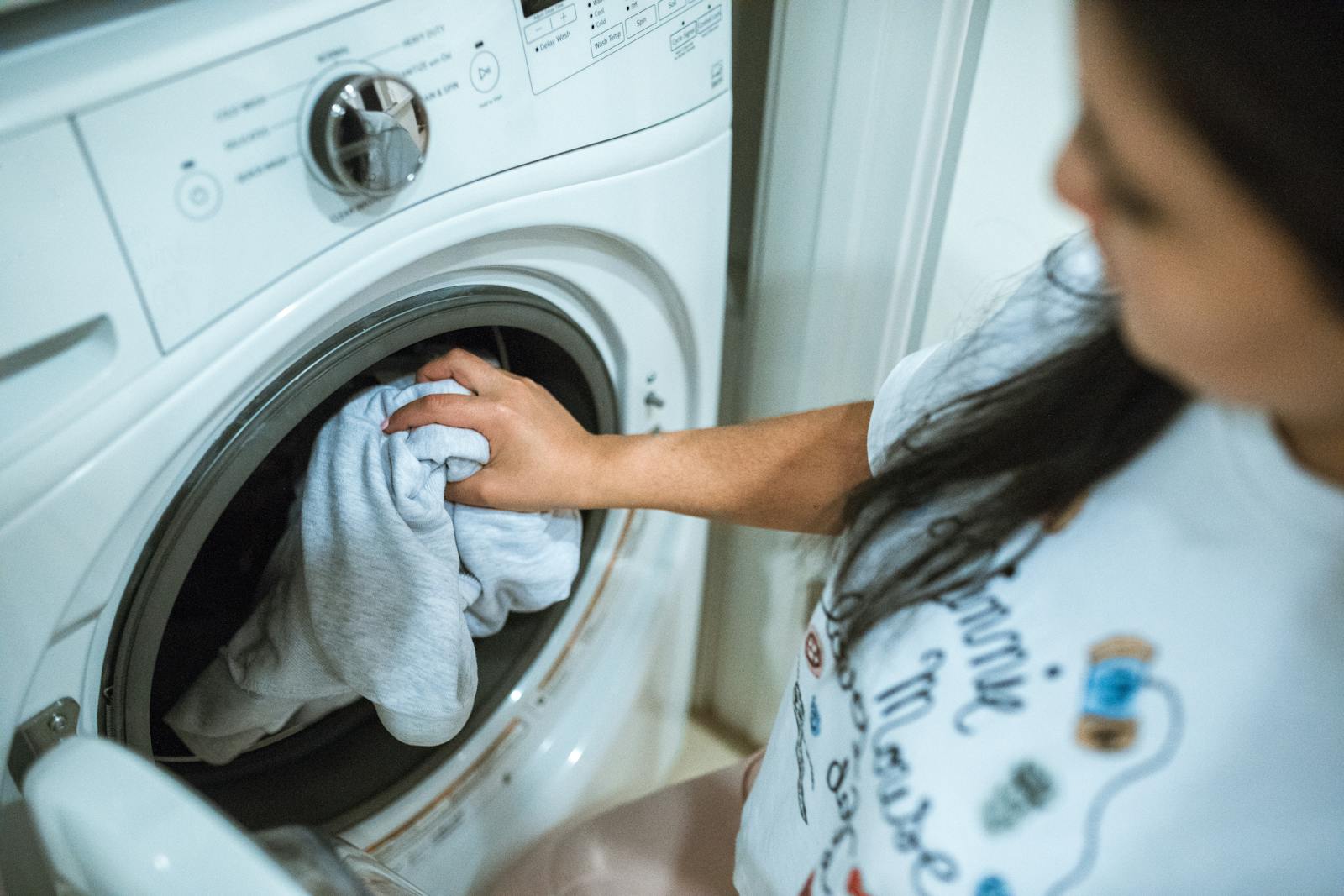
Mould in a washing machine seal is one of those problems that keeps coming back if you only wipe the visible surface. Black spots in the rubber fold, a stale smell after washing and residue trapped inside the seal usually mean the issue is a mix of moisture, detergent buildup and poor airflow after each cycle.
If you are trying to figure out how to remove mould from a washing machine seal and stop it from returning, focus on three things: open every fold of the rubber, clean the residue without damaging the seal and leave the area dry after each wash. That combination matters much more than one aggressive cleaning session.
1. Check the full rubber seal, not just the front edge
Open the door and gently pull back the rubber fold all the way around. In many front-loading machines, the worst buildup sits at the bottom where water, lint and detergent leftovers collect. Start with a dry paper towel or cloth to remove loose grime before you introduce moisture.
- Wear gloves and use a soft cloth or sponge.
- Avoid metal scrubbers and very stiff brushes.
- If the rubber is cracked or damaged, cleaning may only be a temporary fix and the seal may need replacement.
2. Clean the seal gently but thoroughly
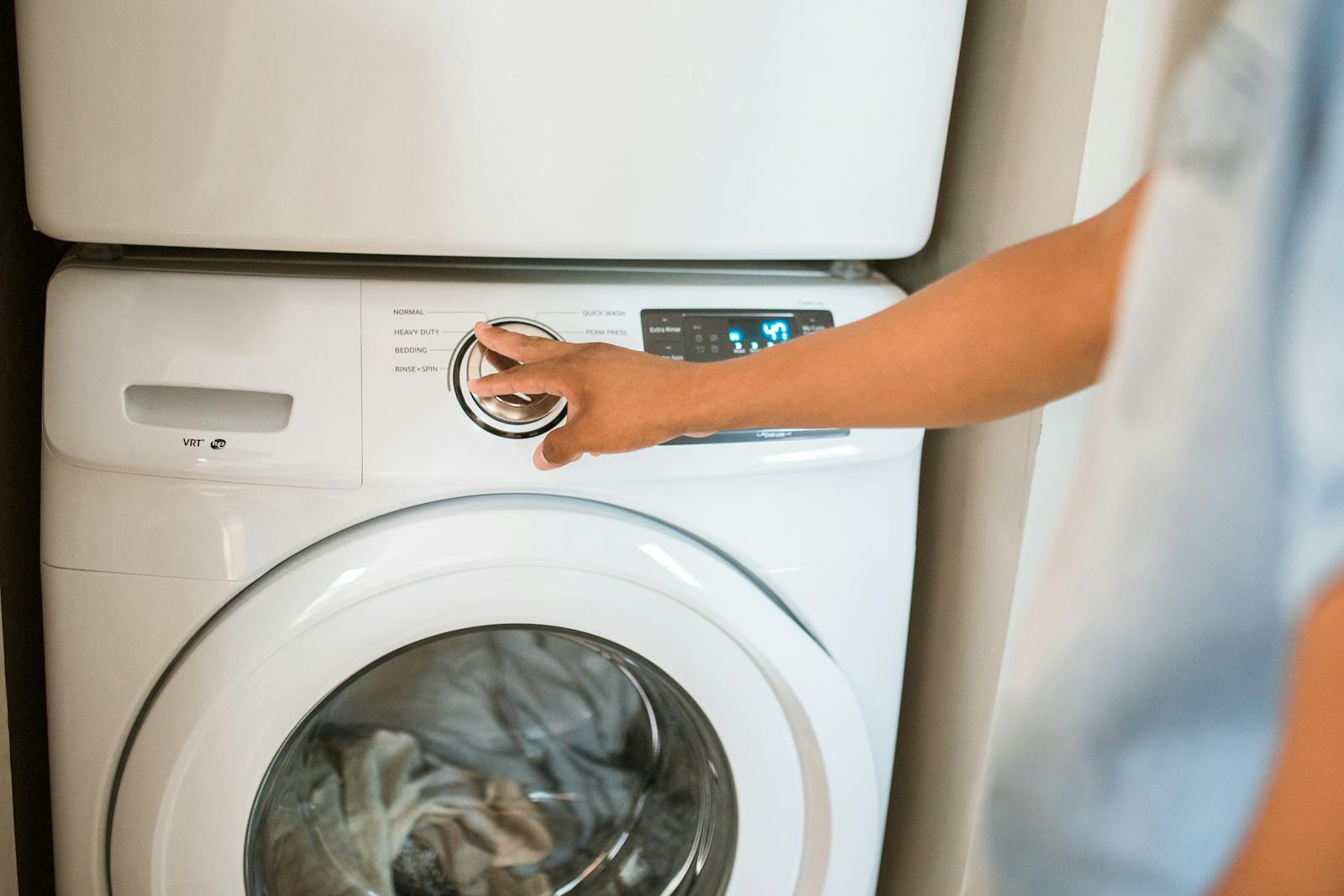
For normal buildup, warm water and a mild cleaning product are usually enough. Dampen your cloth, let the cleaner sit briefly and then wipe the seal section by section. A soft brush can help with stubborn areas, but heavy pressure is not the goal. You want to lift residue away, not scrape the rubber surface.
If the smell is strong or dark staining runs deep into the folds, it is smart to clean the detergent drawer too and run a maintenance or hot empty cycle according to the manufacturer guidance. Mould in the seal often means moisture is lingering elsewhere in the machine as well.
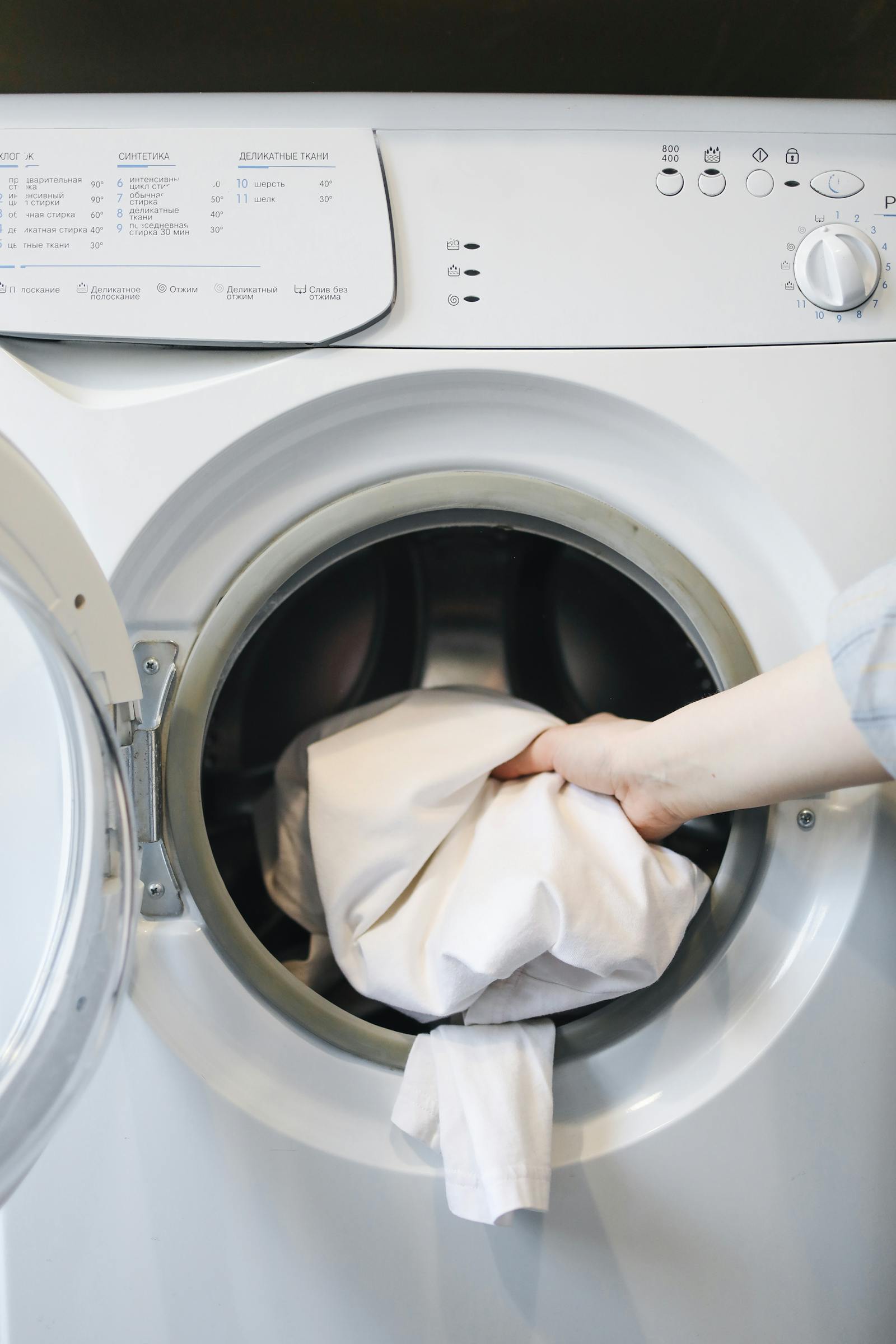
It is also worth checking whether lint clumps, hair or tiny objects from pockets are trapped in the lower fold. They hold moisture and give new dirt something to stick to. A five-second visual check after washing can prevent a repeat problem later.
3. Change the after-wash routine
This is what makes the difference long term. Leave the door and detergent drawer slightly open after washing so trapped moisture can escape. Wipe the lower part of the seal dry. If you mostly wash at low temperatures, schedule a maintenance cycle from time to time because cooler washes leave more residue behind.
It also helps not to overdose washing gel and to check the fold for lint, hair or paper fragments. Those tiny leftovers are often exactly why the problem keeps returning even after a careful clean.
Small bathrooms often make the issue worse because the machine sits in a warm space with limited airflow. That makes the after-wash routine even more important. Leaving the door closed immediately after the cycle is one of the easiest ways to trap damp air exactly where mould wants it.
When a bigger clean makes more sense
If the stale smell is not limited to the washing machine and the whole bathroom or utility area feels damp or neglected, the issue may be broader than the seal itself. In that case, it can be more practical to combine the machine with a wider bathroom deep clean. Through CistýKout, you can find one-off cleaning help as well as regular household support when moisture-prone areas start piling up.