
Starting a cleaning business can still be one of the more realistic small business moves in 2026. The barrier to entry is low compared with many service industries, demand is steady, and once you build trust, repeat work can stack up fast. That said, this is exactly why many new operators get it wrong. It looks simple from the outside, so they start too casually.
A lot of people begin with one idea: buy supplies, register a trade, post in a few Facebook groups, and wait for clients. Then real life arrives. Travel time eats the schedule. Pricing is too low. One customer wants ironing, another wants after-build cleaning, a third expects hotel-level detail for a bargain rate. Within weeks, the business feels messy because the setup was messy.
If you want a cleaning business that can grow past a side hustle, you need to make a few solid decisions early. Not glamorous decisions. Useful ones.
1. Decide what kind of cleaning business you are building
Before you register anything, define the core service. Are you targeting regular household cleaning, move-out cleans, office cleaning, Airbnb turnover, window cleaning, or deep cleaning? These may sound closely related, but operationally they are different businesses. They run on different schedules, need different equipment, and attract different buyers.
For most first-time founders, the smartest move is to start narrow. Pick one main service and one secondary upsell. For example, regular apartment cleaning plus occasional deep cleaning. That keeps your pricing clearer and your workflow more predictable.
In Czech cities, especially Prague and Brno, clients respond well to simple positioning. "Regular household cleaning in Prague 5 and Prague 6" is easier to trust than a vague promise to handle everything for everyone.
2. Start with a trade license unless you have a strong reason not to
In practice, many new cleaning businesses in Czechia start as a sole trade. It is faster, cheaper, and easier to manage than setting up an s.r.o. from day one. If you are testing the market, working alone, or taking on a manageable number of clients, that usually makes sense.
An s.r.o. becomes more relevant later, when you want to separate personal and business liability, build a team, or create a company that can operate beyond your own hands-on work. Early on, though, too much structure can slow you down before you have proof that your offer works.
A reasonable path looks like this: start with a trade license, get the first stable clients, document your process, understand your margins, and only then decide whether a different legal structure is worth the extra administration.
Whatever route you choose, do not skip the basics. Set up invoicing, a business bank account, and liability insurance. Cleaning businesses work inside other people's homes and offices. One damaged surface or one avoidable accident can turn into a very expensive lesson.
3. Buy a lean equipment kit, not a fantasy startup package

A practical starter kit usually includes a reliable vacuum, mop, microfiber cloths separated by use, gloves, bathroom cleaner, degreaser, glass cleaner, and a neutral all-purpose product. You also need a sensible way to carry and organize everything. That sounds minor until your bottles leak in transit and half your time disappears into packing and repacking.
If your market is domestic cleaning, surface awareness matters. Wood, stone, matte finishes, induction hobs, and black fixtures all need a bit more care. A short internal checklist helps. What is safe to use? What should be spot-tested first? Which products never go on certain finishes? These details matter more than a flashy brand name on the bottle.
One cleaner I heard about in Prague lost a client not because the apartment was dirty, but because the wrong product was used on a delicate cabinet finish. Since then, she labels everything by color and keeps backup cloths in every bag. Small change. Big difference.
4. Price for survival first, growth second
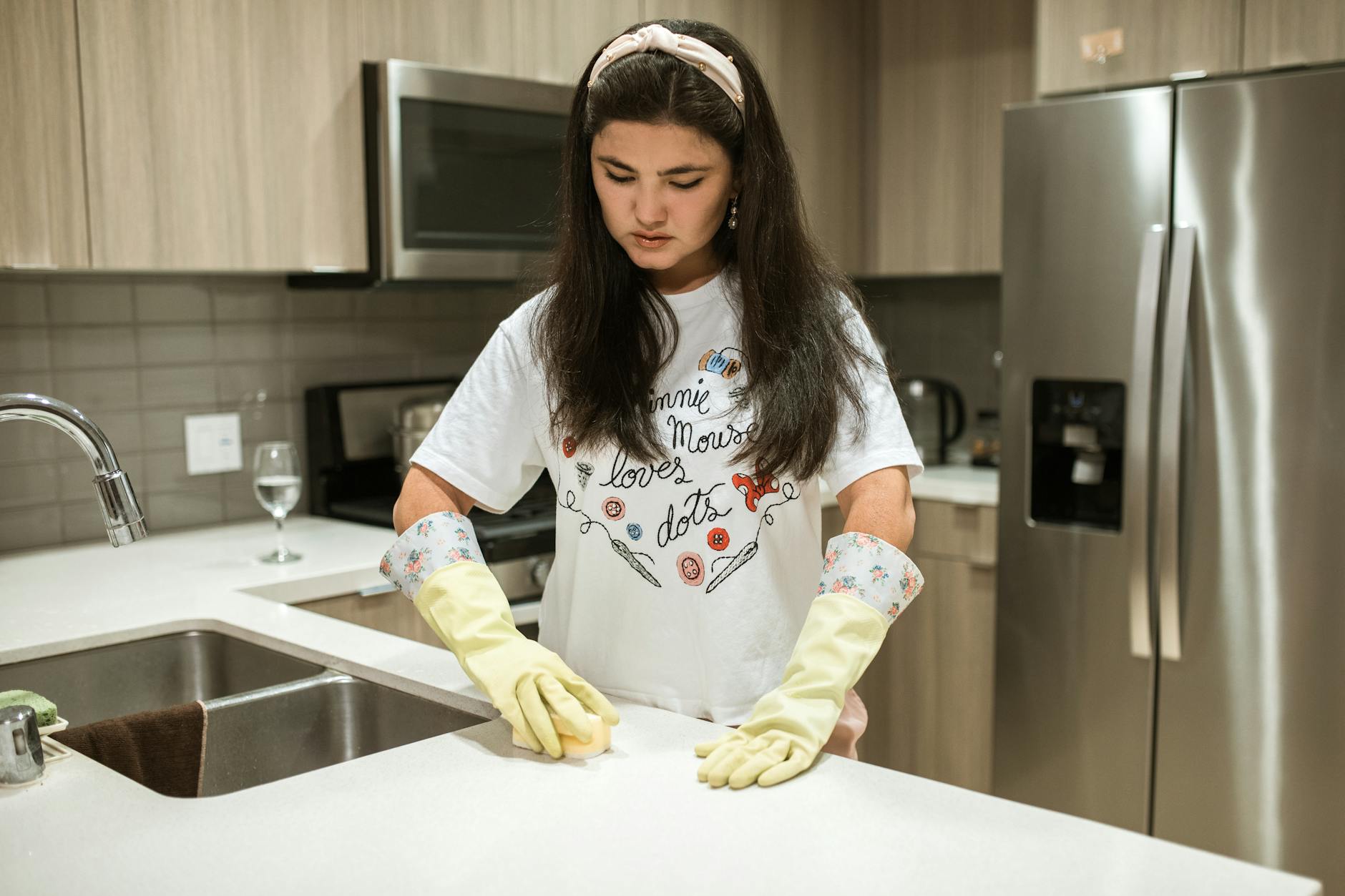
This is where many cleaning businesses quietly fail. The rate looks fine on paper, but the owner is actually subsidizing the job with unpaid travel, admin, supplies, and lost gaps in the day.
Your price has to cover more than cleaning time. It should account for transport, parking, materials, replacement equipment, client communication, scheduling, and cancellations. If you charge the same number you saw in a local Facebook post without doing the math, you are probably underpricing.
At the start, two pricing models usually work best. Either set an hourly rate with a minimum booking length, or create fixed pricing bands for typical spaces. For apartments, fixed or semi-fixed pricing is often easier for clients to understand. For offices, a recurring monthly agreement can work better.
It also helps to separate your offer into layers:
- regular cleaning
- one-off or deep cleaning
- add-on services such as windows, oven, fridge, or ironing
Trying to be the cheapest option is usually a trap. Low prices bring attention, but they also bring the wrong expectations. Reliability, communication, consistency, and trust are often what clients are really paying for.
5. Build simple operations before the first rush hits
Bad first jobs are not always caused by poor cleaning. Sometimes the cleaning itself is fine and the surrounding process is what falls apart. The appointment was not confirmed. Parking instructions were missing. The client expected you to bring products for wooden floors, but you assumed they would provide them. The visit was cancelled late and nobody had written a policy.
Even a tiny cleaning business needs a simple operating system. Not a complicated one. Just a repeatable one. A calendar, intake questions, a checklist, and a few message templates can save hours every week.
At minimum, prepare:
- a standard list of intake questions
- appointment confirmation the day before
- a basic service checklist by job type
- payment and cancellation rules
- a secure process for keys and access instructions
Clients may not notice every detail you clean. They absolutely notice when the service feels disorganized.
6. Get your first clients through trust, not expensive marketing

You do not need a big ad budget to get started. In the beginning, what you need is visibility in the right places and a profile that makes people feel safe choosing you.
Start with your personal network, but be specific. Tell people what service you offer, where you work, what kind of homes or offices you handle, and how to recommend you. Local Facebook groups, neighborhood forums, property managers, Airbnb hosts, and small office operators can all become early sources of work.
Then make sure your profile actually sells the service. A decent photo, clear service list, service area, response speed, and a few honest references go a long way. When clients compare options, price is only one part of the decision.
This is where a platform like CistýKout can shorten the startup phase. If you want relevant inbound demand instead of chasing cold leads all day, a focused marketplace profile can help new providers look more credible and easier to book.
7. Treat your first ten clients like the foundation of the business
The first ten good clients matter more than the first hundred random inquiries. They shape your references, your confidence, your routine, and often your first repeat schedule.
Ask for feedback after a successful job. Keep it simple and timely. If the customer was happy, ask for a short review. If something could be improved, fix it early. That is easier now than later when bad habits harden into process.
Communication matters more than many founders expect. If you are running ten minutes late but you send a message, most clients will accept it. If you go silent, trust drops fast. In cleaning, trust is the business.
Repeat bookings usually grow out of small follow-up habits. Ask what worked, what should change next time, and whether the client wants a regular slot. People often appreciate not having to think about it twice.
8. Do not hire too early just because demand spikes
A sudden burst of interest feels exciting, and that is exactly when people make expensive decisions. If you do not yet have a clear standard, documented checklists, and realistic pricing, adding another cleaner can multiply problems instead of solving them.
Hire only when the numbers support it and the work can be handed off properly. In plain terms, that means you have a steady excess of demand, you know what good work looks like, you can afford payroll or contractor costs, and you have a basic quality control routine.
Sometimes the smarter move is to say no to a few jobs rather than grow too fast and disappoint everyone.
9. A realistic 30-day plan
If you want a clean start, keep the first month simple:
- Choose the main service and service area.
- Set up the trade and invoicing basics.
- Buy only core equipment.
- Write your pricing and cancellation rules.
- Prepare a profile and short service description.
- Reach out to your first local contacts.
- Create a profile on CistýKout.
- Track time, costs, and client feedback after every job.
That is a better use of the first month than obsessing over logo details or pretending you need a perfect brand before taking real bookings.
The takeaway
If you are wondering how to start a cleaning business, the answer is less complicated than many guides make it sound. Start lean. Pick a clear service. Set up the right business basics. Price honestly. Build repeatable operations. Get close to your first clients and learn from every job.
A cleaning business can become stable surprisingly fast when the service is reliable and the positioning is clear. If you want to speed up that first stage, a strong provider profile on CistýKout can help you turn interest into real demand.