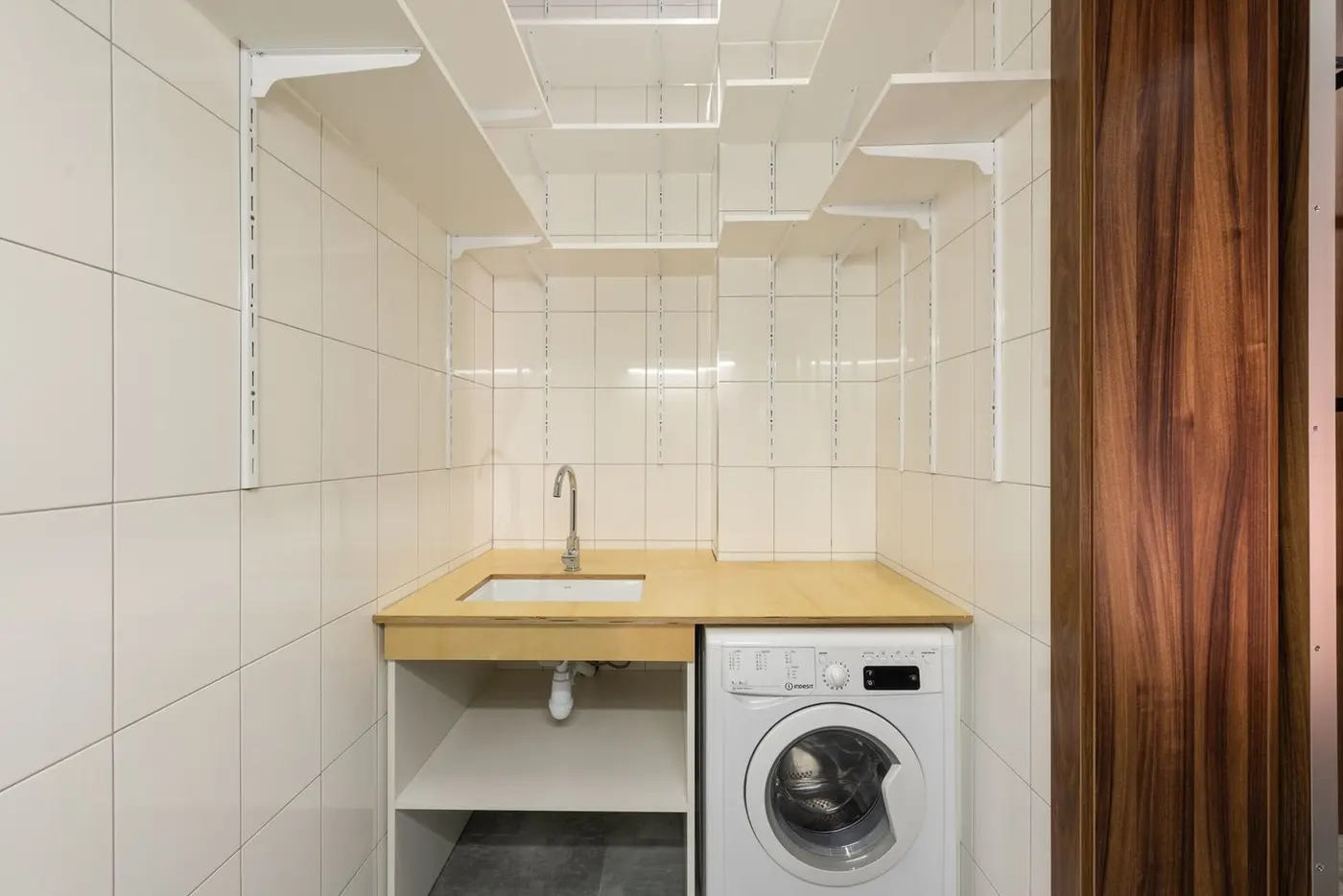
A small janitor closet setup does not need showroom cabinetry. It does need to let a cleaner fill a bucket, empty dirty water, hang a used mop and pick up fresh bin liners without moving half the room first. When those four actions are easy, mix-ups and wet floors become less common. The cleaner also spends less time walking back across the premises for one forgotten item.
I once saw a very narrow cleaning room in a small Prague 7 office that worked surprisingly well. The manager had not bought more cupboards. He split the space into a wet side around the service sink, a dry shelf for fresh supplies and a locked box for concentrates. The biggest improvement was almost embarrassingly basic: nothing lived on the floor anymore.
This is an operational guide, not a universal legal or building-compliance checklist. A café, a medical practice and a standard office may have different requirements. Always match chemical handling, waste arrangements and the technical design of the sink to the product instructions and the rules for your particular workplace.
Start with the route taken by water, tools and waste
Walk through one cleaning cycle with an empty bucket before installing another shelf. Can you reach the tap without lifting used cloths? Can you pour away dirty solution without passing over packs of paper towels? The clean-water route and the dirty-water route do not need separate rooms, but they should not fight for the same patch of floor.
A workable layout usually has three recognisable areas:
- a wet area at the sink for filling, emptying, rinsing and draining;
- a dry area, preferably opposite or above, for fresh mop pads, cloths, gloves and consumables;
- a separate washable container for used textiles and waste, away from the clean stock.
The point is practical separation. A damp bag of used cloths should not lean against fresh rolls, and a cleaner should not reach across an open bin for a new mop pad. In a tight commercial cleaning storage room, a labelled crate and a strip of coloured tape often solve more than a new cabinet.
Wet tools need air around them. A mop head pushed into a bucket behind a closed door will smell by the next shift. Wall clips free the floor and allow handles and mop heads to drain. Used washable cloths should go into a labelled, washable container. Put them back on the clean shelf only after laundering and complete drying.
Minimum equipment around the mop sink
A practical mop sink setup keeps the basin clear. The surrounding wall should tolerate splashes, and the cleaner needs somewhere to hang the hose without leaving its end in dirty water. Keep a mop rail and floor squeegee close by. A small working shelf can hold the product currently in use, but it should not become the permanent home of chemical concentrates.
Store rinsed buckets upside down, or in another position that lets them dry. Mark a parking place for the trolley. If the trolley blocks the water valve every time a delivery of paper stock arrives, the room is not really organised. Access to the sink, waste outlet and shut-off points should remain clear on the busiest day, not only when somebody takes a photograph.
Do not accept standing water as normal. A small puddle may come from careless emptying, but it can also be the first sign of a leak. A light, washable floor makes changes easier to spot. Cardboard cartons on the floor do the opposite: they hide moisture and turn a minor drip into damaged stock.
My minimum list around a service sink is short:
- wall clips for mops, brooms and a floor squeegee;
- a safe hose holder and a defined draining area;
- a washable container for used textiles;
- suitable absorbent material or a small spill kit for the products kept on site;
- working ventilation and enough light to read a label clearly.
If the room stays damp, fragrance will not fix it. Check the airflow and the way tools are hung. A mop pressed flat against a wall dries slowly even when a fan is running.
Put chemicals in a labelled, controlled zone
Good cleaning chemical storage starts with the container. The original bottle and intact label are usually the clearest option. If the workplace uses secondary bottles for diluted solutions, each bottle must be suitable for the product and labelled in line with the manufacturer's instructions and the site's procedure. A reused drinks bottle is never a sensible shortcut.
Concentrates, corrosive products and anything that should not be freely accessible belong in a locked cabinet or box. Locking is especially sensible where customers, children, visitors or untrained staff could reach the room. Fresh gloves and bin liners can stay accessible. If every small supply requires a key, people soon start leaving the cabinet open.
Products that should not be stored together need separate positions, even when the bottles look similar. Follow the label and safety data sheet for each specific product. Do not mix cleaning chemicals or guess dilution ratios. The European Chemicals Agency explains that safety data sheets cover hazards, handling, disposal and first-aid measures. The UK's Health and Safety Executive also advises keeping chemicals in original containers, securing storage and dealing promptly with leaking or damaged packs.
Safety information must be available to the people using the products. A clearly marked paper folder in a dry position can work alongside a QR code linking to a current digital archive. Do not rely on a code alone if the basement has poor reception or only the site manager knows the password.
Keep heavy containers below shoulder height. A low shelf with a washable spill tray is easier to inspect and safer to lift from. I have seen a five-litre concentrate stored above clean mop pads. The cap leaked slowly; nobody noticed until the whole unopened bundle smelled of chemical. That was not efficient use of space.
Colour coding needs one simple rule
Colour coding should stop a toilet cloth reaching the kitchenette counter. It should not turn the cleaner's cupboard into a memory test. A small office may use red for toilet and washroom surfaces, green for the kitchenette and blue for desks, doors and general surfaces. That is one workable system, not a universal standard. Pick a clear rule for the site and keep it consistent.
The colour must continue through the whole process. Red cloths in a clear, unlabelled tub are only half a system. Put the same red identifier on the storage box, the container for used cloths and the shelf holding the relevant mop pads. Repeat it on the trolley if the equipment travels around the building.
Try a thirty-second test with a new starter. Can they tell what belongs in the kitchenette and where it returns after use, without a spoken explanation? If not, there are too many exceptions. A sink, toilet or desk pictogram is often more useful than a dense instruction sheet in tiny print.
Write the area name as well as using colour. This helps people with colour-vision differences, and it still works when the next order of cloths arrives in a slightly different shade of blue. Colour gives the fast cue; text confirms it.
A five-minute weekly closet check
One reorganisation will not keep the room orderly. A short check will, provided somebody owns it and fixes what they find. Five minutes once a week is often enough for a small office. A busier site may add the check to every shift handover.
Keep the list on the inside of the door:
- replenish minimum stocks of liners, gloves, paper products and clean textiles;
- remove damaged, wet or unreadable containers from normal use;
- check that no dirty water remains and that mop heads can dry;
- look for leaks, standing water or slow drainage at the sink;
- test the light, ventilation, wall clips and chemical-cabinet lock;
- record each defect and name the person responsible for resolving it.
Mark minimum stock at the shelf. For example: two rolls of liners, one unopened pack of gloves and one clean set of mop pads. Opening the last pack triggers the order. That works better than a scrap of paper saying, "someone should buy gloves".
Do not return a damaged bottle to the shelf for later. Isolate it and follow its label and safety data sheet. Record the incident. The same goes for textiles that stay greasy, smell after washing or have started to break apart. Colour coding cannot protect a site if contaminated tools keep returning to circulation.
Once the back room works, the next question is whether the cleaning itself holds up. Our practical guide explains how to recognise a quality cleaning result without turning every inspection into a white-glove test.
The length of the shopping list tells you very little about janitorial closet equipment. What matters is whether the cleaner can reach water, whether chemical access is clear and whether low stock becomes visible before the last pack disappears. If you would rather not design the routine alone, contact Čistýkout for a no-obligation cleaning enquiry. We provide a Prague-based option and can discuss how the back room should support the regular cleaning service.