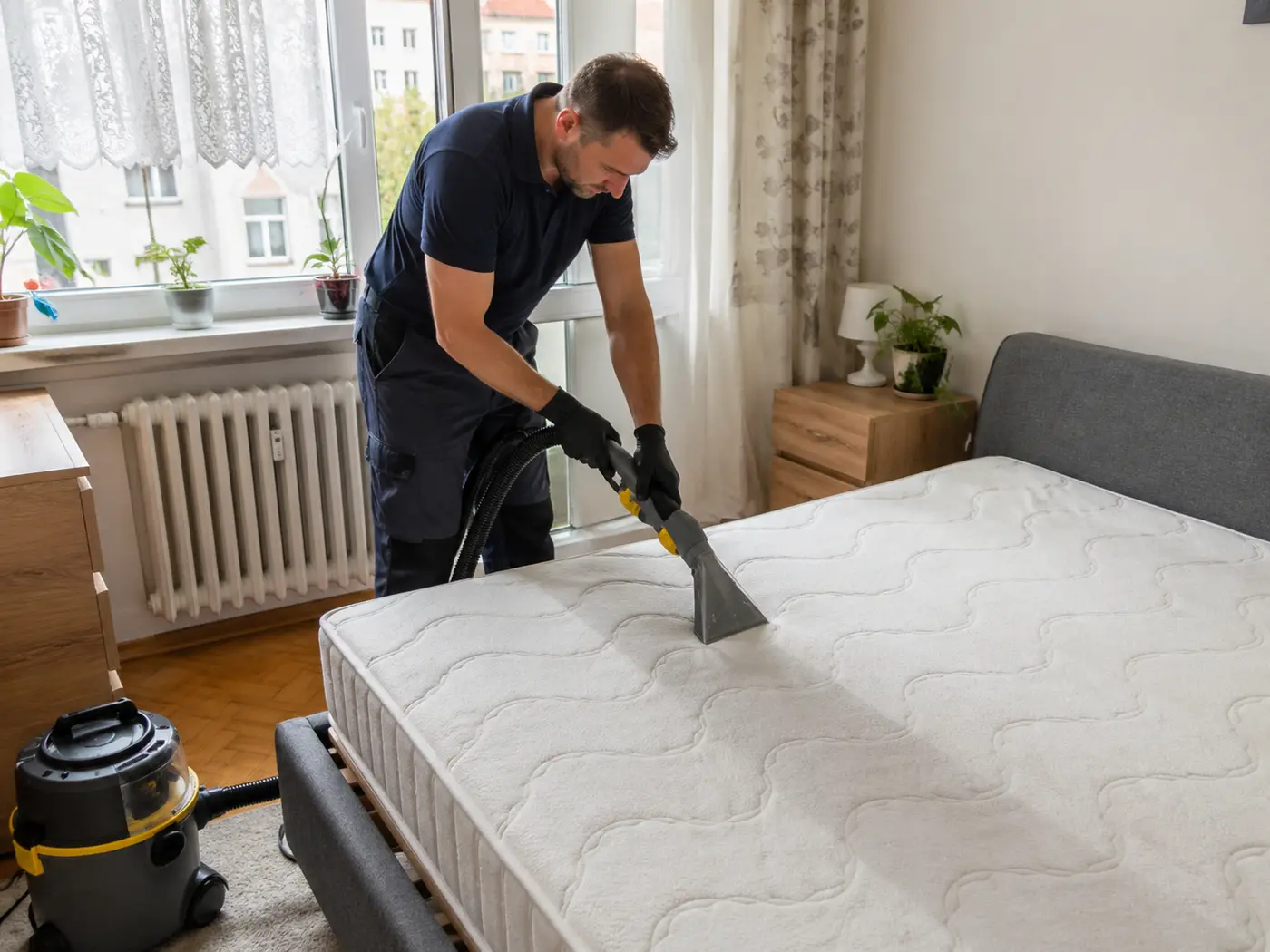
Mattress cleaning before pollen season sounds like one of those chores people postpone until the first bad night. Then the nose blocks, the child coughs, someone opens the window because the room feels stuffy, and the next morning is worse. I have seen this in Prague flats more often than I can count: clean-looking bedroom, balcony-dried sheets, a hoodie from outside on the chair, and a mattress that has not had a proper slow vacuum since Christmas.
This is not a medical guide. It is a household workflow: mattress cleaning, bedding, dust, windows, laundry and the small habits that keep pollen in apartment life from ending up in bed.
Why the bedroom becomes a problem during pollen season
Bedrooms collect things quietly. Pollen comes in on hair, jackets, school bags and dogs after a walk through Stromovka or Divoká Šárka. It also comes through windows, of course, but people underestimate what they carry in on themselves. Sit on the edge of the bed in outdoor clothes and some of that spring dust lands exactly where your face will be for eight hours.
The other layer is already indoors. Dust mites in mattress fabric like warmth, textile and moisture. They do not announce themselves with a dramatic stain. More often you see the result: blocked nose after waking, itchy throat, restless sleep, a child who suddenly sleeps badly every April. Sometimes everyone blames pollen outside. Fair enough. But the bedroom may be storing last winter's dust at the same time.
That is why allergy nights often get worse in spring. Outdoor pollen meets indoor dust, then dry dusting or a quick vacuum stirs everything up again. A cosy rug beside the bed is lovely in January. In April, for an allergy sufferer, it can be a pollen and dust trap.
How to clean a mattress without soaking it
The rule I would write on the bedroom door: do not soak the mattress. A mattress needs cleaning, not a bath. Once water gets deep inside foam or layered construction, drying is slow and the dampness can create a new problem.
Strip the bed completely. Vacuum the bare mattress with a HEPA vacuum if you have one, using the upholstery attachment. Go slowly. Short overlapping passes work better than frantic back-and-forth movement. Spend extra time around seams, edges and the head area. That is where skin flakes, dust and hair tend to sit.
Baking soda is useful, but only for surface odour and light moisture. Sprinkle a thin layer, leave it for two hours or more, then vacuum properly. For a stain, use a barely damp cloth and a small amount of mild cleaner. No pouring. Blot, wipe with clean water on another cloth, then press with a towel.
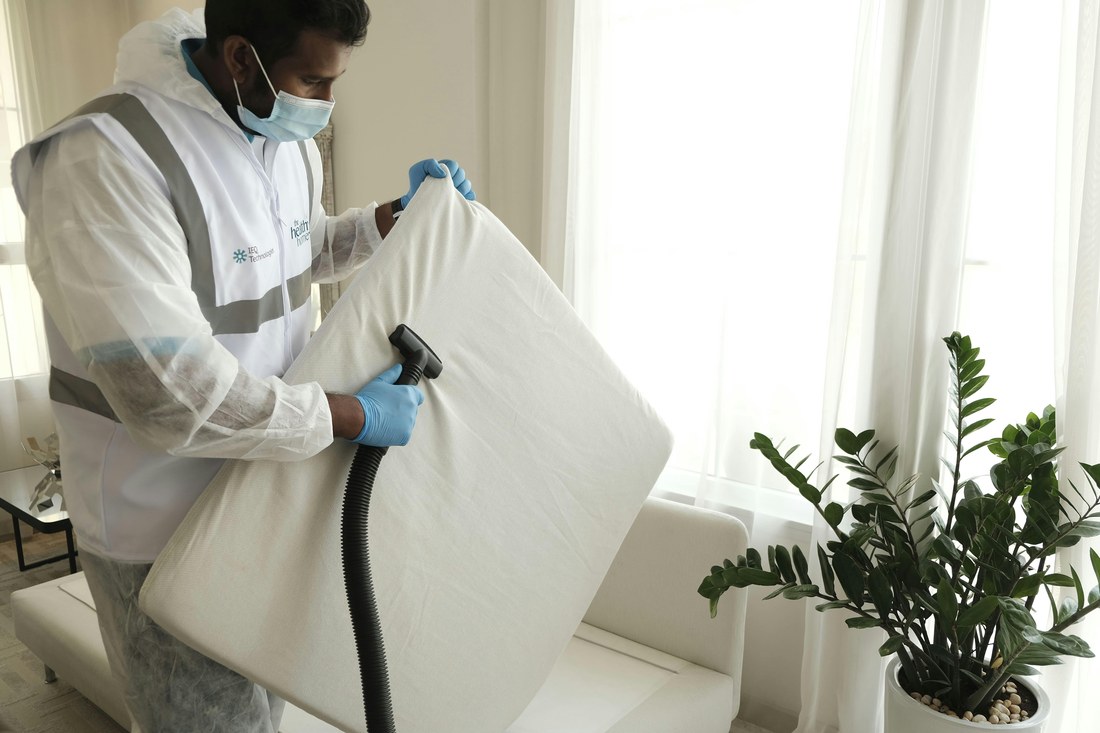
Steam needs caution. It can help on some upholstery, but it is not a miracle solution for mites. Too much steam pushes moisture into the mattress. With memory foam, latex or a complicated layered mattress, I would check the manufacturer's instructions first. If you do use steam, keep it brief and make drying the main event afterwards.
Drying is where many home attempts fail. Air the room in a short burst when pollen is lower, use a fan across the room, or run a dehumidifier. Do not sleep on the mattress until seams and edges feel dry. A panelák bedroom in Jižní Město with weak airflow can take longer than a newer flat with heat recovery ventilation. Annoying, but true.
Bedding, protectors and washing against mites
Cleaning the mattress and putting stale bedding back on it is wasted effort. For allergy sufferers, change bedding weekly. In a bad pollen week, change pillowcases more often. The pillow is close to the face, which sounds obvious, yet it is the thing people forget.
Washing at 60 °C is better for mite control than a gentle cool wash. Check the care label. Some printed children's bedding fades, and families have to choose what they can live with. Personally, I would rather lose a little colour than keep allergens in a child's bed.
A washable mattress protector is worth having. It is easier to clean than the mattress itself, and it catches sweat and skin residue before they sink deeper. Anti mite covers can help when symptoms are strong or the mattress is hard to replace. Buy one that fits tightly and can be washed. A loose cover that bunches up under the sheet will last about three nights before everyone hates it.
My usual practical setup is simple: washable protector, weekly sheets, pillowcases twice a week when pollen is high, and pillows that can actually be washed. Not glamorous. It works.
Bedroom cleaning that does not stir pollen into the air
Dry dusting in an allergy bedroom is mostly theatre. It moves dust into the air, gives you a clean surface for ten minutes, then the dust settles again. Use a slightly damp microfibre cloth. Start high: window frames, wardrobe tops, shelves, lamps. Then bedside tables, bed frame and floor.
A HEPA vacuum matters because fine dust should stay in the machine, not blow back into the room. Empty the container or use a fresh bag if suction is weak. Vacuum under the bed slowly. If there is wall-to-wall carpet, consider a deep clean before pollen season. If it is just a small rug next to the bed, wash it or remove it for a few weeks.
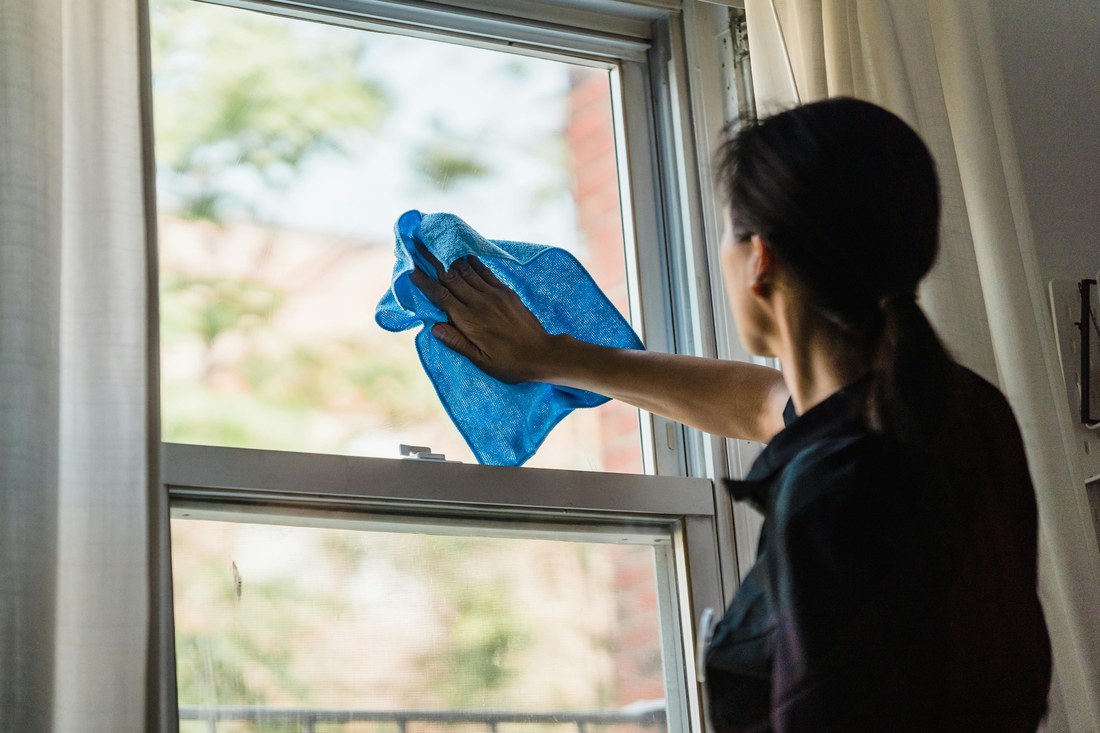
Pay attention to boring places. Window tracks. Blinds. Radiators. Behind the headboard. The strip under the bed where one lost sock and a year of dust live together. These spots matter more than another quick wipe across the visible bedside table.
Keep outdoor clothes out of the bedroom. Same with shoes. If the dog sleeps nearby, wipe the coat after longer walks. This is cleaning for allergy sufferers, not a hospital routine. You are just reducing what gets carried into the bed.
How to ventilate and dry laundry during pollen season
Czech flats need fresh air. I am not going to pretend you should keep windows shut for two months. Timing is the trick. Ventilate briefly early in the morning after rain or later in the evening, and avoid long open windows during dry windy afternoons. Check the local pollen forecast if birch, grasses or mugwort cause trouble at home.
A short full-window burst is better than a window cracked all day. Open wide, make a draft for a few minutes, close. In a bedroom, tilted windows through the afternoon can quietly load curtains, sills and bedding with pollen.
Pollen screens can help, especially near parks, courtyards and busy roads. They still need cleaning. A dirty screen is just a dirty filter in the window, so vacuum it gently and wipe it according to the manufacturer's advice.
Do not dry bed linen outside during pollen season if someone at home is allergic. I know. Sun-dried sheets from a Karlín balcony sound wonderful after winter. They also collect pollen, and then you bring that pollen back into the bedroom. Dry bedding indoors, outside the bedroom if possible, with smart ventilation or a dehumidifier. A dryer is useful when the textile allows it.
When to book deep cleaning
Home cleaning has a ceiling. If someone still wakes with a blocked nose after weekly bedding changes, the mattress is old, there is carpet in the room, or the bed has an upholstered headboard, ordinary vacuuming may not reach enough of the problem.
Other signs are less subtle: stale smell, damp-feeling fabric, old water marks, stains that return, or a mattress that takes too long to dry after spot cleaning. At that point I would stop experimenting with more water and book a proper clean.
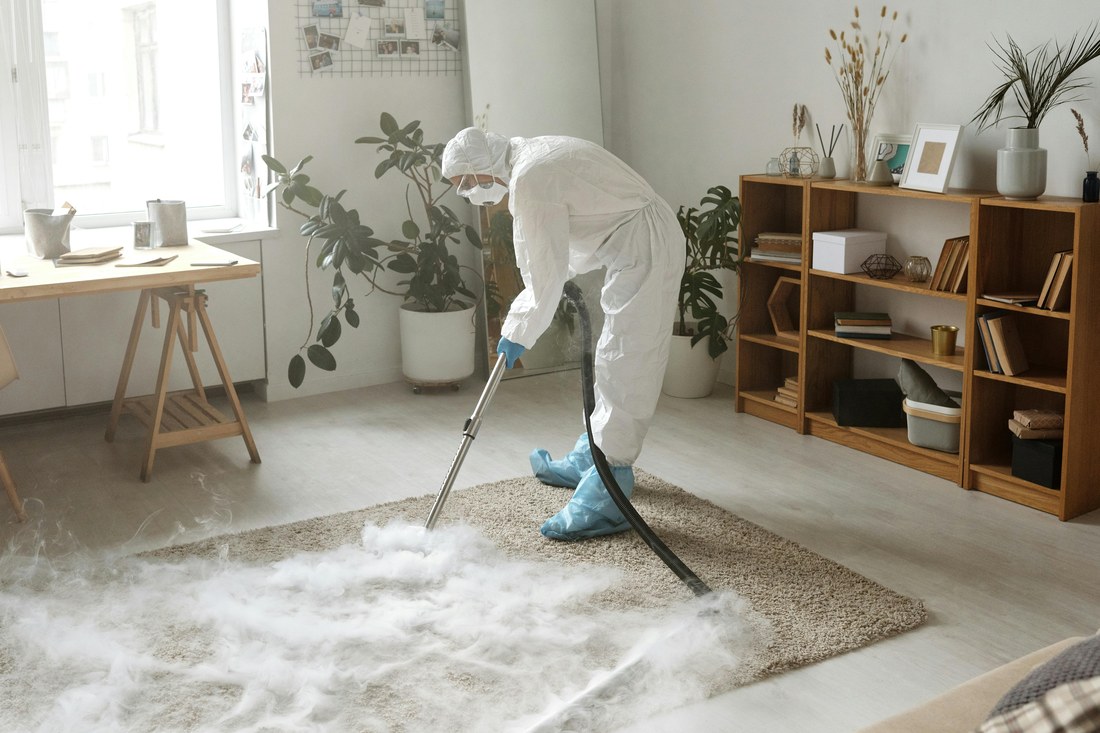
Deep cleaning makes most sense as one connected job: mattress, upholstered headboard, rug or carpet, sometimes a bedroom chair. Cleaning only the mattress while the dusty rug beside it stays untouched is a half measure.
A professional service should tell you what method they will use, how wet the textile will get, how long drying should take and what is not suitable for your mattress. When contacting Čistýkout, mention the allergy issue, mattress type, carpet, pets, floor level and ventilation. That gives the cleaner a better picture before they arrive.
For Prague households that want the bedroom reset before pollen season, Čistýkout is a practical option. Send a no-pressure request through the contact form and describe the room honestly. Sometimes one deep clean is enough. Sometimes it makes sense to combine it with a lighter regular cleaning routine.
The routine afterwards is what keeps the result alive: weekly bedding, regular mattress vacuuming, damp dusting, no outdoor drying of sheets, and outdoor clothes kept away from the bed. Not perfect. Doable. For allergy homes, doable usually wins.