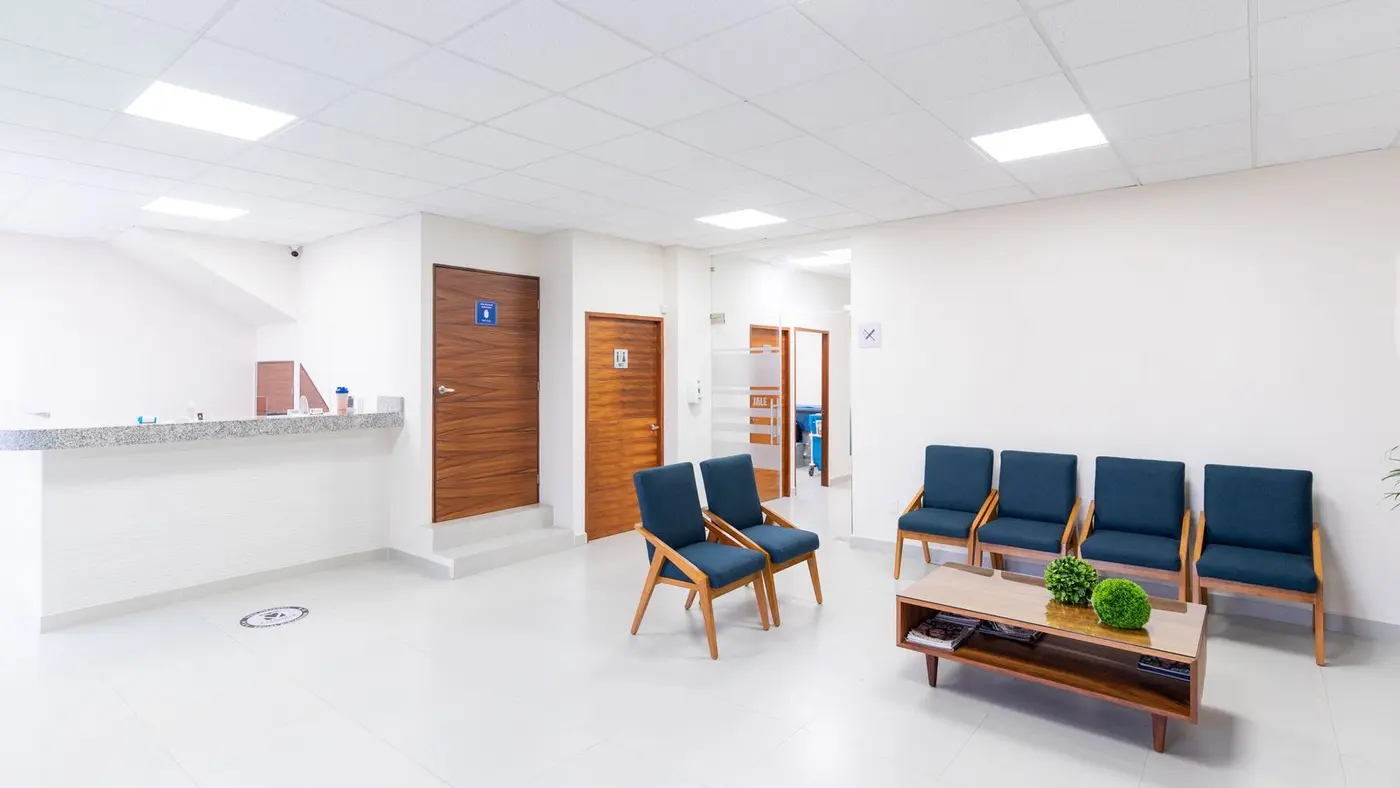
Medical office cleaning can be a solid recurring service for an independent cleaner or a small team. It is not simply office cleaning with an extra sink. The clinic controls its hygiene regime, and the cleaning provider needs a written brief before promising disinfection, handling unusual contamination, or touching clinical equipment.
Separate routine cleaning from the clinic's hygiene regime
A routine scope can be quite ordinary: floors, dust, the waiting room, toilets, paper supplies and agreed high-touch surfaces. The detail changes as soon as the list reaches treatment couches, instrument areas, clinical waste or equipment controls. A physiotherapy practice, a dental surgery and a sample collection point do not have the same risks or procedures.
Cleaning, disinfection and sterilisation are different services. Cleaning removes soil. Disinfection relies on a specified product, concentration, contact time and target spectrum. Sterilisation of medical devices is a separate clinical process. If a client says, "Just disinfect everything," that is the start of a question, not a workable instruction.
The operator should provide the current hygiene and disinfection regime. Czech Ministry of Health material expects procedures and products to reflect the type of practice. The line is sensible: the clinic defines the regime; the contractor performs and records the agreed tasks. The Ministry's guidance on hygiene operating rules is useful background, but it does not replace the clinic's instructions.
Put the exclusions in plain language. Without separate instructions, training and equipment, the service does not include sterilising instruments, handling biological material or removing infectious waste. It stops a routine contract quietly expanding into clinical work.
What to learn during the site visit
Visit while the clinic is working, or ask someone to describe a normal day. An empty waiting room on Saturday does not reveal a 7:20 pm final patient or a lift that locks at eight. In Prague, collecting a key or finding legal parking can take longer than a small treatment room.
Go room by room and note:
- opening hours and the safe cleaning window;
- keys, alarm, locking procedure and restricted zones;
- floor types, washable surfaces, upholstery and delicate equipment;
- toilets, basins, bins and dispensers;
- visit frequency and the condition after the busiest day;
- storage for supplies and separation of cleaning tools;
- who provides chemicals, PPE and consumables.
Ask about waste as well. A paper cup from the waiting room is not the same as a sharp or material contaminated with bodily fluid. If a risky item is outside its proper container, do not make up a solution. Stop work in that spot, prevent further contact and call the named person.
I once reviewed a quote for a 72 m² practice in Vinohrady. The calculator allowed ninety minutes. The visit revealed five keys, two floor types, a lift restriction and a mandatory record. The square metres were accurate, yet almost useless as a measure of labour.
Write the scope by room and frequency
"Full clinic clean three times a week" is an invitation to argue later. A better schedule has rooms in rows and frequencies in columns. The client can see what is included, while the cleaner does not have to explain why high cupboard tops were never priced.
Every visit might cover the floors, patient toilet, basins and a named set of touchpoints. List waiting room cleaning separately when traffic or touchpoints justify it. Weekly work could add skirting boards, doors or a deeper clean of the staff kitchenette. Windows, upholstery, machine cleaning and post-decoration work belong under periodic tasks or separate orders.
Avoid phrases such as "wipe all surfaces". Does that include a monitor, telephone, device control panel or drawers containing clinical supplies? An external contractor may be prohibited from touching some items. Other items need a product and method supplied by the clinic. A restricted-zone list can matter as much as a medical office cleaning checklist.
Add one more field: authority. Name the person who can request extra work, how that request is recorded and how it will be charged. A nurse's phone call may be convenient, but a message or ticket is safer for anything outside the agreed scope. Nobody then has to reconstruct whether the extra job was supposedly part of the monthly fee.
A short service record protects both sides
A service record need not fill three pages. Date, times, completed zones, exceptions and a signature or digital confirmation may be enough. It should answer one practical question: what happened on Tuesday evening?
Keep entries factual. "Room 2 not cleaned; door marked no entry; lead nurse called at 19:42" is useful. Patient names, diagnoses and photographs of medical records do not belong in the log. If the clinic uses an app, agree what may be stored and who can see it.
Before the first shift, save the escalation contact and discuss three cases: a fault, suspected contamination and missing supplies. For each, decide whether to stop, isolate the area or continue elsewhere. Do not substitute an unapproved chemical because the correct labelled product has run out. With disinfectants, concentration and contact time matter. The smell tells you nothing useful.
After the first three visits, compare notes. You will learn where to return a key, who replaces liners and why a trolley must not block the store door on Thursdays.
Price the whole visit, not only the floor area
A quote for medical office cleaning should include the whole work cycle: preparing supplies, travel, key collection, cleaning, separating used textiles, restocking, completing the record and locking up. If periodic work sits inside the monthly fee, spread its labour and materials across the relevant period.
Here is a deliberately simple example from a costing sheet. The cleaning takes 110 minutes. Preparation and documentation add twenty, while the average travel allocation is twenty-five. That is 155 minutes of working time, not "just under two hours of cleaning". Add products, laundering, cover for absence and business overhead before setting the monthly fee. A rate of CZK 430 per hour in this example is not market guidance. It is a round test figure; replace it with the number your own costs require.
Keep unusual incidents outside the base fee. A spill involving biological material, a water leak or post-construction dust needs a separate assessment and may require another specialist. State who can authorise the response, how the price is approved and when the cleaner must refuse the task.
Travel can quietly remove the margin from an evening contract. See our guide to planning cleaning jobs by area and day. A two-hour gap before the next job may cost more than the chemicals.
Use the first month as a paid pilot
Set the first month up as a paid pilot with a review date. It is not discounted trial labour. It is the period in which both sides measure actual duration, material use and whether the checklist works. Three visits usually expose an underestimated toilet, awkward building access or unclear restocking. Four weeks provide enough evidence for a better decision.
Bring records to the review rather than impressions. Which extra tasks kept appearing? Where did a complaint arise? How often was a room inaccessible? Did the practice use the expected quantity of gloves, cloths or paper products? Fix unclear checklist wording immediately instead of carrying it into a six-month agreement.
Confirm the long-term frequency and fee after that review. If the work fits, the contractor has evidence for a stable monthly price. If every visit overruns by thirty minutes, change the scope, organisation or fee. Quietly donating time to the contract eventually damages both energy and quality.
Good healthcare facility cleaning starts with boundaries. For small practices, clinic cleaning services should be quoted from the actual visit time and agreed scope. Let the clinic define the hygiene regime, describe the service by zone, record exceptions and price the real time involved. If a small Prague practice needs a provider for clearly scoped routine cleaning, ČistýKout is a local option. Send a no-obligation enquiry through the ČistýKout contact form; clinical procedures and specialist decontamination should remain with the people qualified to specify them.