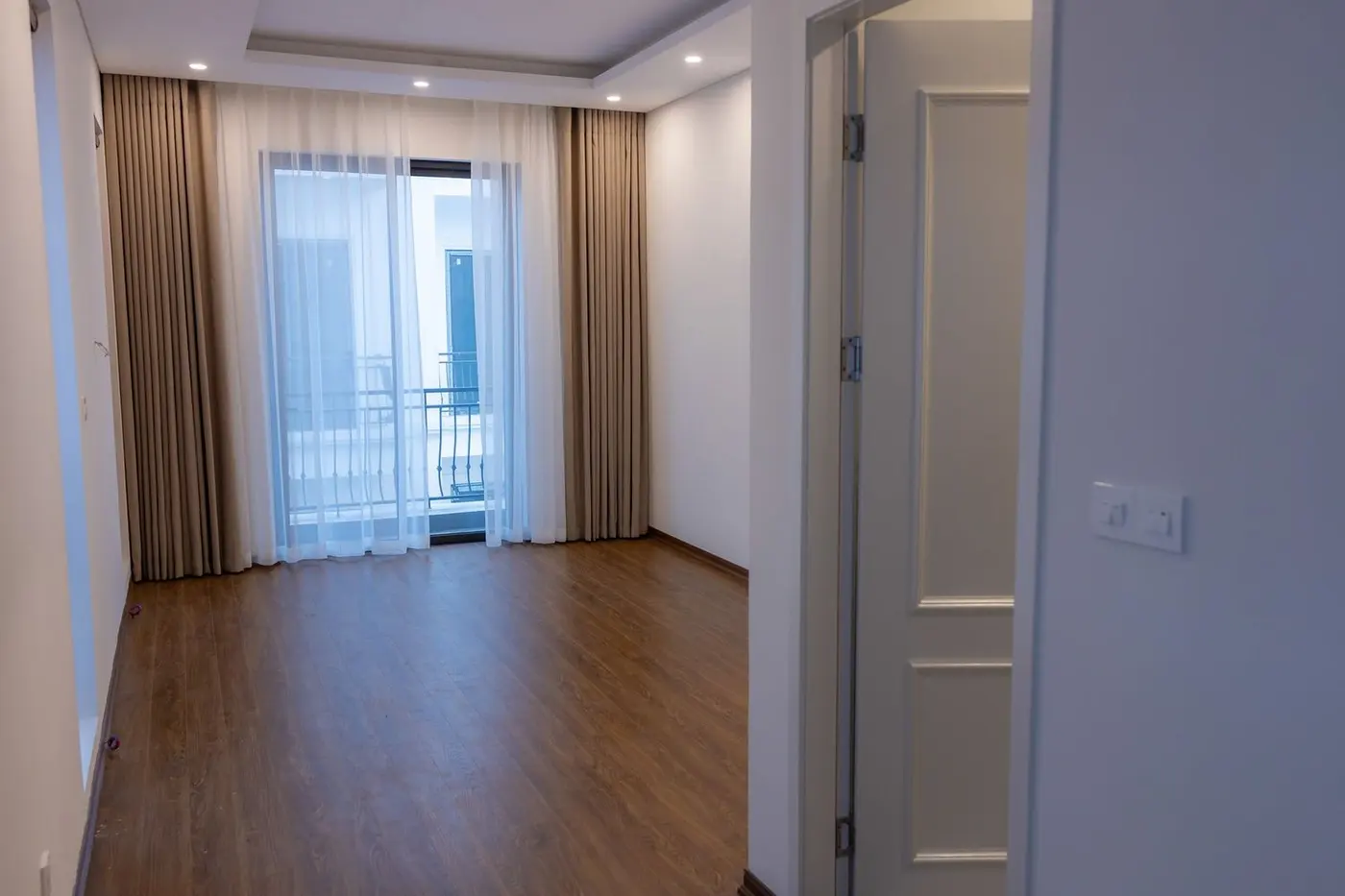
A newly handed-over flat can look spotless while it is still empty. Fresh paint, unused floors, no moving boxes in sight. Run a finger across the top of a door frame, though, and the difference becomes obvious: new build cleaning before moving in is not a routine wipe-down. You need to separate defects from construction dust, adhesive residue and the light manufacturing film left on new fittings before you clean anything aggressively.
Record defects before you clean
Do not start scrubbing as soon as the keys reach your hand. Walk through the flat in daylight and photograph anything that looks damaged or unfinished: scratches in glass, chipped edges, uneven grout, gaps in sealant, paint on hardware and marks in the floor. Take one wide shot to show the location, then a close-up with a ruler or coin for scale. Rename the files by room. Three weeks later, “bathroomgroutbath” is much more useful than “IMG_8472.”
I saw this matter during a handover in Prague's Vysočany district. A grey strip on a balcony-door frame looked like dried glue, and the buyer was ready to scrape it off with a plastic card. Up close, it was a scuff through the coating. Solvent or hard rubbing would have changed the evidence and perhaps made the damage worse. He photographed it, added it to the handover record and left that small area untouched until the developer responded.
A defect is usually something cleaning cannot correct without altering the material: a crack, gouge, missing sealant, loose part or visibly uneven joint. Loose dust, a footprint and a light film on a tile are cleaning issues. Silicone, mortar and paint residue sit in the grey area. A small spot on a durable tile may be removable; a broken or incomplete silicone joint is not dirt.
My working rule is blunt: if you cannot identify the mark, photograph it and do not make an irreversible experiment. A blade, abrasive pad or strong chemical can dull a surface and make the original condition harder to assess. Photos do not replace the handover report or your contract terms, but they preserve what was there before anyone touched it.
Where fine construction dust hides
Construction dust removal starts above the floor. Fine particles settle on top of door frames, kitchen units and wardrobes. They collect inside sliding-door tracks, window channels, radiator fins, ventilation grilles and around inspection hatches. Check the outer surfaces of sockets too, but do not put a damp tool inside electrical fittings or dismantle covers unless you are qualified to do so.
Starting with a wet cloth is a common and frustrating mistake. Water turns gypsum or cement dust into grey paste. You spread it across a frame, wait for the surface to dry and discover pale streaks an hour later.
Vacuum first. For a significant amount of building dust, use equipment intended for fine construction particles, with suitable filtration and the correct bag or collection system. An ordinary household vacuum may clog or push some of that fine material back into the room. Work slowly, without grinding the nozzle into a new surface. A clean, soft brush attachment is safer on painted frames and other finishes that scratch easily.
Let the flat rest after the first pass. Walking and vacuuming put some particles back into the air; they can take hours to settle. Then test a few places with a clean white microfibre cloth: one high door frame, a windowsill, a shelf and the edge around a socket. If the cloth turns grey, repeat the dry pass. Two or three rounds are normal in a newly completed building, particularly when trades are still cutting or sanding in the corridor.
Only after loose dust is under control should you use a lightly damp cloth. Change cloths and water often. One grey rag carried from the living room to the bedroom does not remove dust. It relocates it.
Protective film, adhesive and unfamiliar finishes
Protective film is temporary, but that does not mean it should be ripped off in a hurry. Check whether the developer or installer is meant to remove it and photograph the surface before and after. Pull slowly at a low angle rather than straight away from the panel. Stop if the film tears, leaves heavy adhesive or seems to lift part of the finish.
There is no universal safe remedy for glue residue. Powder-coated aluminium, laminate, glass, vinyl flooring and composite worktops react differently. Read the care instructions supplied with the flat and the product manual where one exists. A cleaner that is harmless on ceramic tile can damage a coated tap. Acid may attack a metal finish; scouring powder can haze a glossy panel. Even a melamine sponge acts like a very fine abrasive on some materials.
When the maker allows cleaning, begin with the mildest method: lukewarm water, a soft cloth and a small amount of suitable neutral cleaner. Test an inconspicuous spot. Put the product on the cloth rather than flooding a joint or frame, respect the stated contact time and rinse or wipe as instructed. Judge the test only after it has dried. A wet shine can hide the first sign of dulling.
I would leave glass scraping to someone who understands the type of glass, its coating and the correct technique. A pane that looks plain may have a surface treatment, and grit trapped under a blade can leave a permanent line. The same caution applies to cement-removal products. Until you know whether the residue crosses stone, delicate grout or coated metal, the strongest bottle in the cupboard should stay closed.
The right order for the first clean
A post construction cleaning apartment job has a sensible sequence: document first, remove dust dry, then wash. Work from high to low. If you mop first and vacuum the tops of cabinets afterwards, the floor gets cleaned twice.
For an empty flat, this order works well:
- Air the rooms with a short, strong cross-ventilation when outside conditions allow and no one nearby is cutting material.
- Record defects and mark the areas that must remain untouched.
- Remove loose packaging and only the protective films for which you have confirmed the right method.
- Vacuum high corners, ledges, cabinets, windowsills, radiators and skirting, with the floor last.
- Clean windows, frames, doors, fitted storage, the kitchen and bathroom with products suited to each material.
- Check for settled dust again, then mop the floor with clean water or an approved floor cleaner.
Replace dirty water and cloths during the job. In the kitchen, inspect drawer interiors, the tops of cabinets and shelves for manufacturing dust. Follow the manual for the refrigerator, oven and dishwasher, and confirm that appliances have been connected and released for use before cleaning them. In the bathroom, fresh grout and sealant may still be curing. Ask the supplier before getting them wet if the waiting time is unclear.
Allow enough time for everything to dry. This part is easy to sacrifice when a joiner is arriving with fitted wardrobes the next morning. Moisture trapped beneath cardboard, carpet or a plinth is a poor start in a brand-new home. Once dry, inspect the floor in side light, check the window tracks again and repeat the white-cloth test in several places. Bring furniture in only after that final pass.
When professional new-build cleaning makes sense
The decision is about scale, not whether you know how to clean. A small one-bedroom flat with light dust and two windows is very different from a duplex with full-height glazing, residue from several trades and dust packed into every track. The gap between handover and the moving van matters too. Two free days can disappear quickly when one is taken by the snagging inspection, a technician's visit and waiting for access to the storage unit.
When asking for quotes, describe the work as developer handover cleaning or post-construction cleaning, not simply a move-in clean. Include the floor area, number and type of windows, photographs of the dust and residue, known surface materials and a list of defects that cleaners must not touch. Mention ongoing work elsewhere in the building. That information determines the equipment, crew size and time needed.
Confirm the scope in writing. Are window frames and tracks included? What about cabinet interiors, protective film and adhesive residue? What happens when a finish cannot be identified? “We will test it first” or “the developer needs to confirm that” can be the most professional answer. Speed is not useful if it sacrifices a new surface.
Arrange a final inspection before the movers arrive. Look at high ledges and tracks in daylight, and test several surfaces with a white cloth. Keep recorded defects clearly separate from the cleaned areas so nobody mistakes an untouched snag for incomplete work.
If your handover is in Prague and the moving date is close, ČistýKout is one local option for a careful new apartment deep cleaning. Send a no-obligation enquiry through the ČistýKout contact form with the flat size and a few photographs. That makes it easier to distinguish an ordinary move-in clean from genuine post-construction work and choose a method that respects the new finishes.