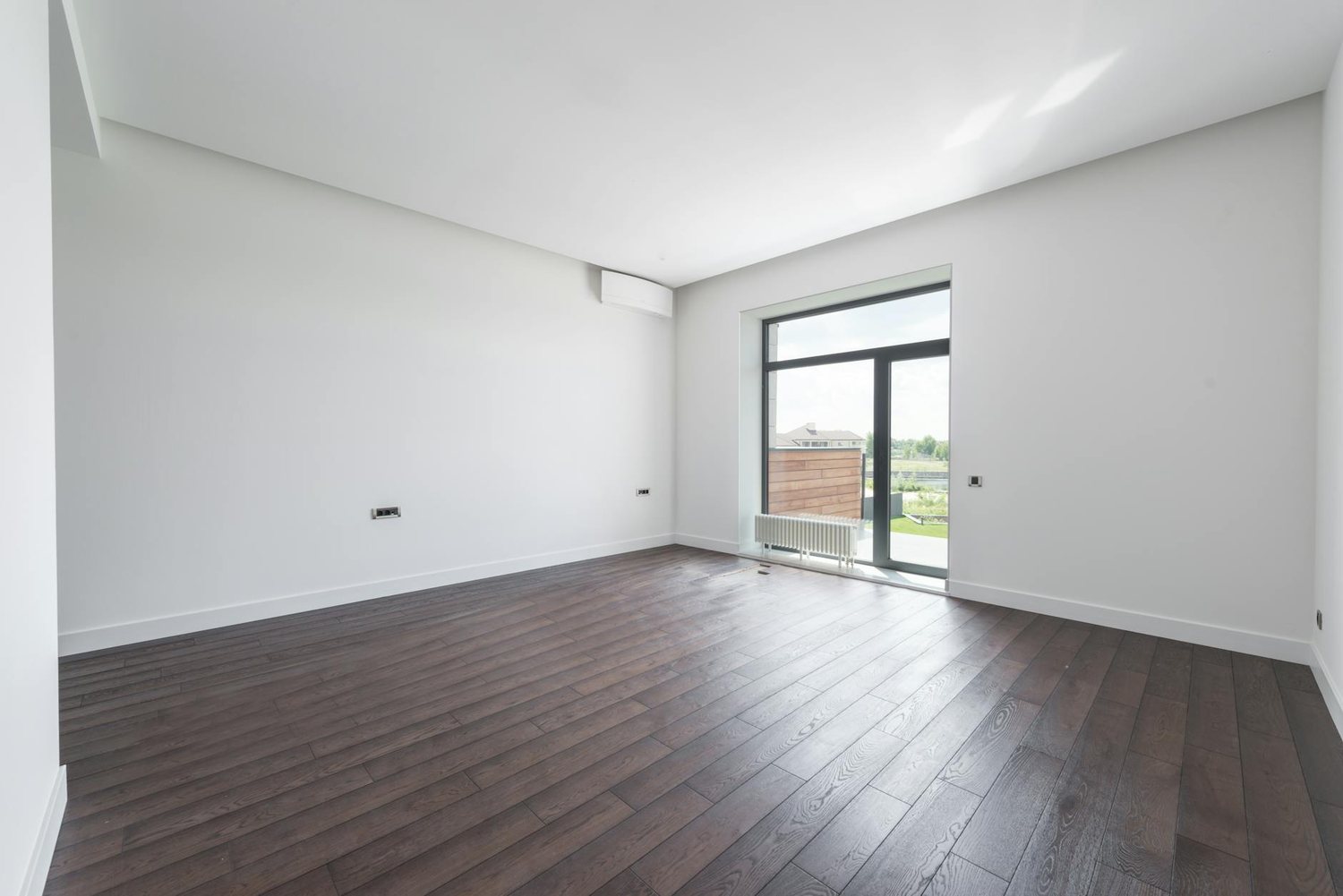
Let’s be honest: pre move-in new build cleaning is probably the last thing you want to think about when you finally have the keys to your new place in your hand. You want to start unpacking the Nespresso machine, organizing your closet, and figuring out where the plants go. But in reality, this one task decides whether you move into a fresh, breathable home or spend your first month living with a thin layer of construction dust in the corners of your apartment, inside your brand-new drawers, and deep in the window tracks. I see it all the time in recently finished flats across Prague: the handover looks great on the surface, but one swipe across the top of a door frame brings back a handful of grey grit that nobody actually bothered to clean.
Why clean before the furniture arrives
The biggest advantage of an empty flat is simple: you can actually reach everything.
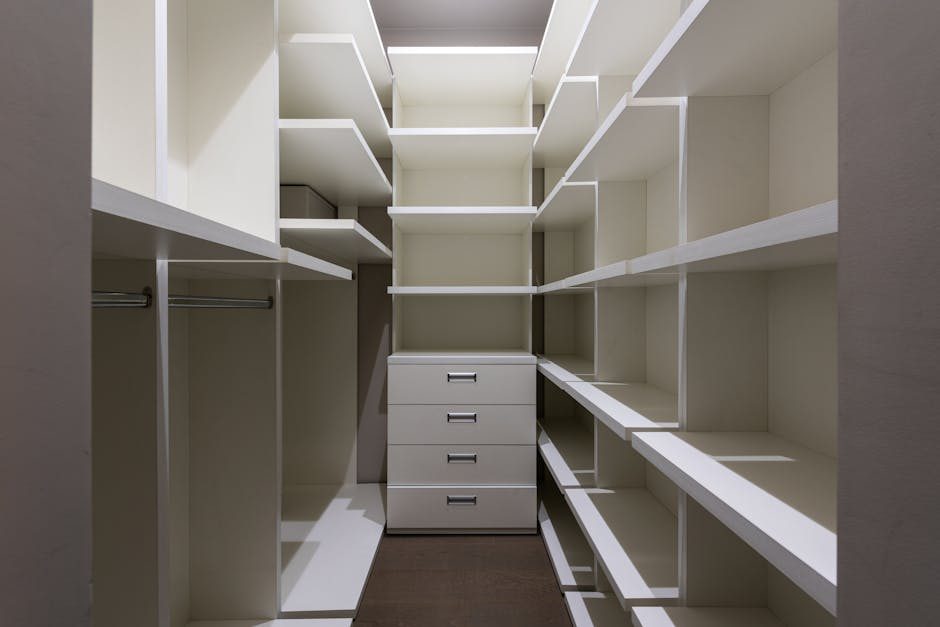
It sounds like common sense, but it changes your entire moving experience. Once the movers drop off the sofa, the bed, and that mountain of IKEA boxes, you stop cleaning the apartment and start cleaning around obstacles. That fine, annoying dust gets pushed under furniture, into the corners of your storage units, and behind the bedside tables where it’ll stay for the next six months.
The tricky thing about a new apartment before move-in is that it often looks way cleaner than it really is. There’s no daily clutter yet, no shoes by the door, no cooking smells. It’s easy to relax too soon. But post-construction dust isn't like normal household dust. It’s much finer, and it loves to hide. It settles inside kitchen drawers, on the tiny edges of shelves, in ventilation covers, and along the very top of your interior doors. You won’t notice it when you’re standing in the middle of the room, but you definitely will when your favorite black T-shirt comes out of the wardrobe with a pale dusty streak across the shoulder.
Cleaning now is also just a massive time-saver. Dealing with skirting boards, window frames, and the insides of built-in cupboards is a five-minute job when the rooms are empty. Leave it until after you’ve unpacked, and the same task takes twice as long and usually ends with a much worse result.
There’s also a real hygiene gap between a "handover clean" provided by a developer and a home that's actually "ready to live in." Construction crews are focused on finishing the job, not on the level of detail you want when you’re about to put your plates and baby clothes away. If there’s still sawdust in the cutlery drawer or silicone crumbs near the sink, the flat isn't ready. It’s just done.
In Prague, where new developments are popping up everywhere from Vysočany to Stodůlky, the pressure to move fast is intense. You’re booking moving vans, coordinating with delivery slots, and trying to get internet installed all at once. Cleaning usually gets squeezed into that one frantic week. That’s exactly where a new build checklist saves your sanity—it stops you from missing those small, dusty details that will otherwise spread through your whole home the moment you start living there.
New build checklist: what to check after the tradespeople leave
If you’re walking into your new flat for the first time after the workers have left, don't start by looking at the floor.
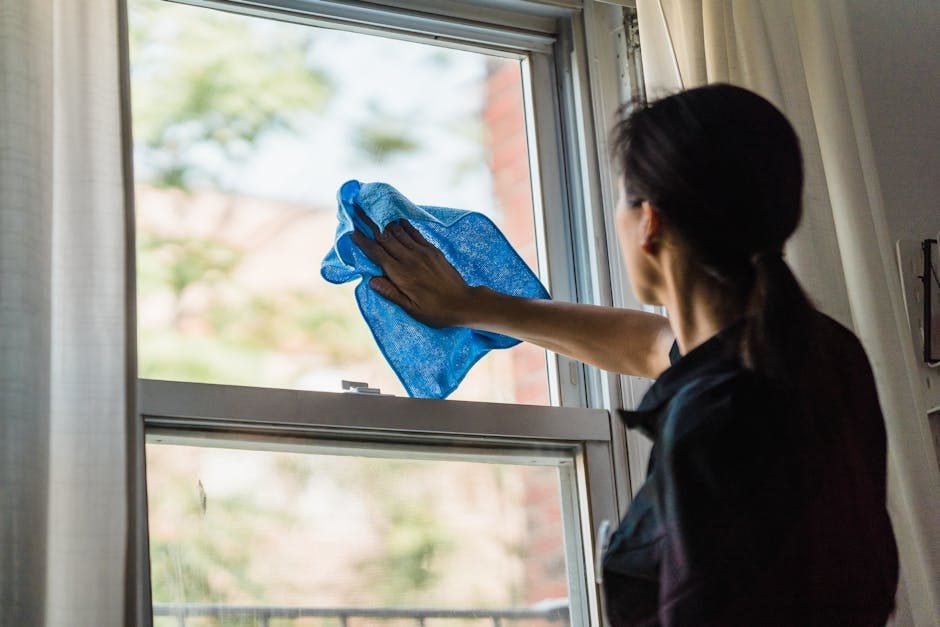
Start with the details that trap the most construction residue. Windows are the biggest culprit. I don’t just mean the glass—the frames, the inner edges, and the tracks are usually covered in a fine layer of dust. If you have those large floor-to-ceiling balcony doors that are so popular in Prague right now, that dust tends to sit deep in the lower tracks where a quick wipe with a paper towel won't even touch it.
Next, look at the edges and joints. Check the skirting boards, the lines where the wall meets the floor, and the tile grout near the bathroom door. These are the spots where bits of protective film, silicone scraps, and tiny offcuts from the installation work always seem to linger. A new build can look like a five-star hotel in photos and still fail a close-up inspection in about ten seconds.
The cabinets and drawers also deserve a serious look. Carpenters often have to adjust hinges or drill holes on-site, and even the "clean" ones leave a bit of a mess behind. Open every single drawer. Run your hand along the back corners and the upper edges of the shelves. If you feel grit there now, you’re going to find it on your pans and folded clothes later.
Don’t forget the easy-to-miss spots: ventilation grilles, light switches, and the top edge of every door. Dust doesn't just fall down; it travels up and sideways, finding every narrow gap it can. It’s a classic post-construction cleaning mistake to only clean at eye level.
And a word of warning about protective film: get it off sooner rather than later. If it sits too long in the sun or is exposed to the heat of your underfloor heating, the adhesive can get incredibly stubborn. People often get frustrated, grab a harsh chemical remover, and end up ruining a brand-new finish in their very first week. That’s a heartbreaking way to start life in a new home.
Here’s the quick checklist I’d run through before you unpack a single box:
- windows, frames, seals, and those deep tracks
- floor edges, corners, and transition strips between rooms
- the inside of every single drawer and wardrobe
- grout lines, bathroom joints, and the edges of the sink
- light switches, sockets, vents, and the tops of doors
- any leftover film, adhesive, or silicone scraps
The right cleaning order in a new build
This is where most people make their lives way harder than they need to be. They grab a wet cloth way too early. When you're dealing with construction dust, water can actually be your enemy—it turns that loose grit into a pale, muddy film that you just end up smearing all over your nice new surfaces. The secret to a successful pre move-in new build cleaning is starting dry.
If there were still workers in the flat recently, open the windows, let the air settle, and then start from the top. Ceiling fittings, top shelves, door frames, then windows and cupboards. Use a vacuum with a soft brush attachment meant for delicate surfaces. If you use a rough brush on a matte kitchen panel or a dark floor, you’re basically doing a science experiment with your deposit.
Only once the loose dust is gone should you even think about wet cleaning. And even then, keep it controlled. Use slightly damp microfiber cloths and a well-wrung mop. I always recommend using separate cloths for the "dirty" zones and the "finish" surfaces like mirrors or kitchen fronts. If you use the same cloth everywhere, you’re just moving construction residue from one room to another.
For the really tough spots, work in passes. First pass removes the dust. Second pass deals with the fingerprints and grease marks. Third pass handles the details, like those annoying adhesive spots or dried silicone drips, using a product that actually matches the surface. Trying to do all of that in one go usually leads to a lot of frustration and missed spots.
I remember a flat near Harfa where the owners mopped the vinyl floor while there was still dust on the skirting edges. By the next morning, a thin white line had appeared along every single wall. There was nothing wrong with their mop; they just didn't remove the dust in the right order. They ended up having to do the entire floor again after the furniture had already arrived. Avoid the double work if you can.
How to avoid damaging brand new surfaces
New surfaces look tough because they're new, but that’s a trap.
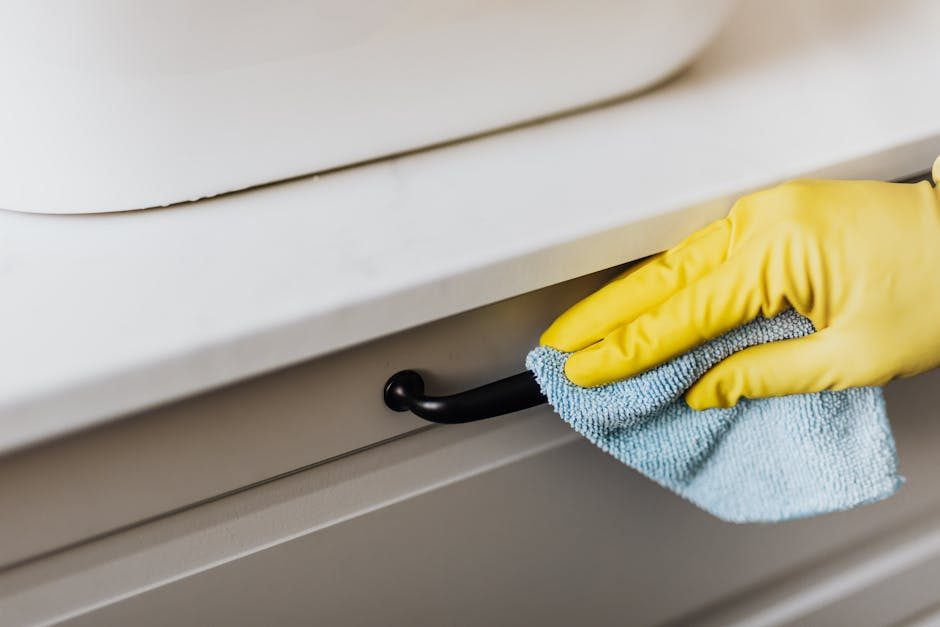
A lot of modern finishes—matte kitchen fronts, black taps, brushed metal fittings—are actually surprisingly easy to scratch. All it takes is one wrong sponge or a cleaner that’s too aggressive, and you’ve got a permanent mark before you’ve even made your first cup of tea.
Vinyl and laminate hate excess water. Wood floors hate harsh degreasers. And those beautiful matte cabinet doors? They can develop shiny "rubbed" patches if you scrub them too hard with the wrong cloth. Black taps look amazing, but they show every single mineral mark and scratch easily if you use abrasive pads.
Adhesive residue is another common danger zone. If you aren't 100% sure what a material is made of, don't go at it with a strong solvent from the hardware store. I’ve seen brand-new window sills and kitchen panels ruined because someone wanted to get a sticky mark off in thirty seconds instead of testing a small, hidden spot first.
Always follow these basic rules for a damage-free start:
- always vacuum or dry-wipe before you use any water
- stick to pH-neutral products unless you know the material is resistant
- ditch the abrasive sponges and hard brushes
- test any adhesive remover on a hidden area first
- be very stingy with water around floor edges and furniture joins
If you’re in doubt, check the documentation from the developer or the kitchen supplier. It’s not being over-cautious; it’s just much cheaper than paying for a professional repair on a brand-new surface.
When to book a professional post-construction clean
Not every apartment needs a professional crew. If you have a small studio and there was only a little bit of minor work done, you can probably handle it yourself with a bit of patience. But there are times when it’s better to call in the experts.
Scale is the biggest factor. If you’re dealing with a large 4+kk layout, multiple bathrooms, floor-to-ceiling glass, and a lot of built-in storage, the sheer amount of surface area can be overwhelming. Another sign is "returning dust." If you wipe a surface and that same grey film appears again an hour later, you aren't dealing with normal dirt. You’re dealing with deep-seated construction residue that needs a more systematic approach.
Then there’s the glass. Cleaning large sliding doors or glass balcony railings without leaving smears is an art form, especially when move-in stress is already peaking. Doing that late at night after a full day of work is nobody’s idea of a good time.
Ultimately, it comes down to one question: do you want your first weekend in your new home to be about unpacking and celebrating, or about fighting a losing battle against dust?
ČistýKout is a Prague-based option for people who want their flat to be genuinely ready for life, not just "finished" on a piece of paper. If you want to move in with total peace of mind, send a non-binding enquiry and see how a professional post-construction clean fits your needs. Our contact form is usually a much faster path to a clean home than spending your moving week with a vacuum and a sense of regret.