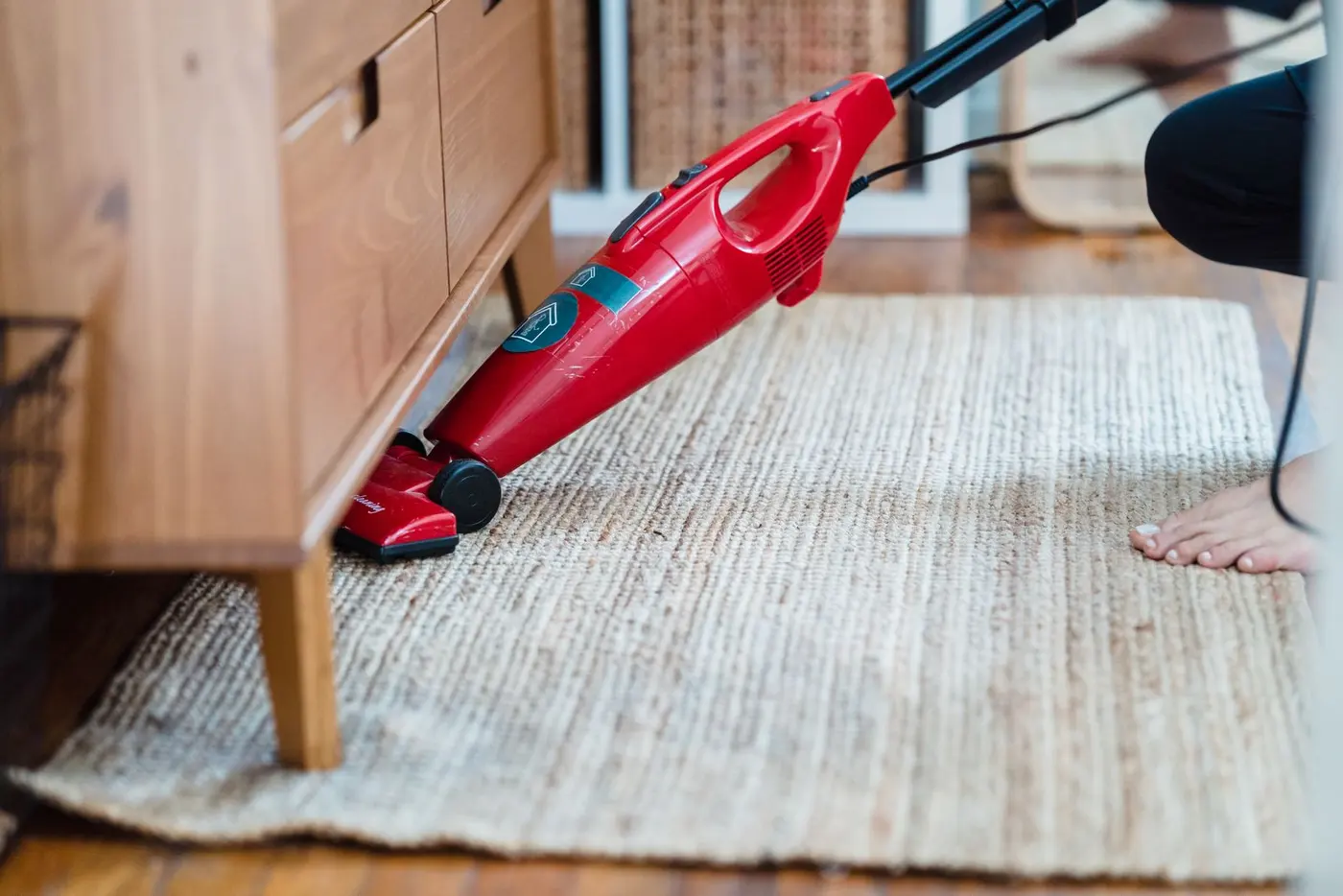
Trying to remove pet hair from an apartment once its former owner has moved out is a peculiar job. You sweep, mop and leave the floor spotless. Next morning, a small grey tumbleweed is sitting by the bedroom door. The sensible response is not another lap with the mop. Find where the hair is hiding, clean those reservoirs first, and work down to the floor.
Why pet hair returns after you have mopped
Pet hair weighs next to nothing. Warm air from a radiator can lift it; a draught beneath a door can roll it across the room. Even walking past a sofa is sometimes enough. The most baffling clumps are usually old hair shaken loose from somewhere less obvious, not fresh dirt.
Radiators deserve suspicion, especially the older ones in Prague flats. Look between the panels, around the valves and in the slim gap against the wall. I watched a tenant in Žižkov turn on apparently clean heating after moving in. Within half an hour, a neat grey line had formed beneath the window. The floor was not the culprit. The cavity behind the radiator had been missed.
A broom makes this worse. It collects the heavy pieces but launches fine hair and dust into the air. Some lands in the dustpan. Some settles behind you. This explains the bedroom corner that looks furry again each evening despite daily sweeping.
Fabrics and filters are slower reservoirs. Curtains, rugs, the underside of a mattress, an extractor filter and even a felt drawer insert can release debris for days. Visible hair is only the easy-to-spot part. Dust can also carry tiny skin particles and other material that concerns allergy sufferers. That is why pet dander cleaning involves more than picking up fur.
Find the hidden areas before you start
Take your phone torch and shine it sideways across the floor. Low light catches fine strands much better than the ceiling lamp. Pull out furniture only when you can move it safely; nobody needs a damaged built-in oven on top of a dirty flat.
My first inspection covers:
- radiator fins, pipes and the narrow gap behind the unit;
- the top of each skirting board and any open joint below it;
- balcony and sliding-door tracks;
- gaps beneath the fridge, washing machine and freestanding cabinets;
- wardrobe tops, plinths and bottom corners;
- accessible air grilles, extractor filters and ventilation filters;
- curtain rails, blind folds, window sills and upholstered headboards.
Be careful with ventilation. Removing and cleaning a simple grille may be fine, but a communal duct is not a DIY project. Check the property instructions and the appliance manual. Filters should be cleaned or replaced as specified. A blast of scented spray merely produces perfumed dust.
Now list every fabric left in the flat. Which covers and curtains can go in the wash? Which rug or chair needs cleaning in place? Is an old, low-value carpet worth saving at all? Photograph everything before doing major work if the condition may form part of a handover dispute.
Clean from the top down, in the right order
The order is simple, though people often reverse it. Anything cleaned at shoulder height will shed material onto the floor. So the floor has to wait. I prefer to finish one room at a time and close the door behind me; that stops the hall becoming a distribution centre for dust.
Use this sequence:
- Bag washable fabrics before carrying them through the flat.
- Vacuum wardrobe tops, curtain rails, grilles and radiators.
- Move down to shelves, door tracks, skirting and furniture gaps.
- Tackle mattresses, rugs and upholstery with slow, overlapping strokes.
- Vacuum the entire floor, finishing the perimeter with a crevice tool.
- Wipe hard surfaces with a damp microfibre cloth, then mop.
The word “pet” on a vacuum-cleaner box tells you less than its filtration and seals. In an allergy-sensitive home, use an effective filter, a sound bag or bin, and a machine that does not leak dust at its joints. Check the filter before starting. A machine clogged with somebody else's fluff will have miserable suction.
Attachments matter too. The crevice nozzle earns its keep beside skirting and in door rails. A small brush is handy around radiator fittings. On upholstery, choose a head that disturbs the pile instead of skating over it.
Slow passes beat frantic ones. Hair embedded in carpet may stay put under a plain floor head, even when you are trying to remove dog hair from an apartment thoroughly. A clean rubber squeegee or barely damp rubber glove can draw it into lines ready for vacuuming. Try a hidden patch first. Velvet, loose weave and tired fabric do not always appreciate experiments.
Only mop when the vacuuming is genuinely finished. Water turns missed hair into sticky little ropes that cling to grout, skirting and the mop itself. Use a clean head, change dirty water, and keep laminate or wood merely damp. You are collecting the last film of dust, not washing the floorboards at sea.
Fabrics, mattresses and upholstery
Read the care label before washing a cover or curtain. Remove loose fur first and leave space in the drum; an overstuffed machine cannot move the fabric enough to release hair. Afterwards, check the rubber door seal and the accessible filter. Skip that job and the next load of T-shirts may come out wearing the former tenant's cat.
Vacuum upholstered furniture while it is dry. Lift every cushion. Work along the piping and push the narrow tool into the channel behind the seat, which is generally where the impressive haul lives. Vacuum both sides of a mattress when its construction allows, plus the bed frame and slats.
Wet treatment is not automatically better. The wrong product can leave rings, damage colour or soak the filling for longer than expected. If repeated dry work still releases fur, grit or odour, professional extraction cleaning is worth considering. An old inexpensive rug may be cheaper and safer to replace. I would rather say that plainly than prescribe three bottles and a heroic Saturday.
What to do if someone has allergy symptoms
Someone with itchy eyes, sneezing or coughing should not supervise the dusty part of the work. Moving curtains and vacuuming crevices temporarily puts more material into the air. Let the sensitive person stay elsewhere if possible. Ventilate afterwards when outdoor pollen or pollution is not likely to make matters worse for them.
The cleaner needs sensible protection too. Gloves and a properly fitting respirator help when a radiator or carpet is heavily loaded. Seal waste promptly. Change a vacuum bag outside or somewhere well ventilated, and never thump out a bagless canister in the kitchen.
Cleaning is not medical care. Sudden, severe or persistent symptoms need advice from a healthcare professional. Nor can a cleaner promise that every allergenic particle has vanished. Once the job is done, inspect the vacuum filter, deal with ventilation filters as instructed, wash your work clothes, and return freshly cleaned fabrics only to rooms already completed.
When to challenge a handover clean or book a deep clean
Paid for a handover clean and still finding hair seven days later? Take photographs before launching your own deep clean. Include a close view, a wider shot that identifies the room, and the date. Fur inside a wardrobe, a packed balcony-door rail and a clump behind a radiator tell a much clearer story than “it still feels dirty”.
Then read what you actually ordered. A normal end-of-tenancy clean may exclude moving heavy appliances, opening grilles, extracting a mattress or targeted allergen reduction. Challenge the provider when an agreed item was plainly skipped. Demanding proof of “zero allergens” is different: the promise is unrealistic and hard to measure.
A deeper clean is reasonable when several rooms are affected, carpets or upholstered pieces remain, debris keeps emerging from technical spaces, or an allergy sufferer is about to move in. Give the provider specifics: floor area, surfaces, remaining textiles, problem spots and the access around radiators or appliances. Mention the sensitive occupant. “Please clean everything” sounds comprehensive, but it is a poor brief.
If pet hair from a previous tenant keeps turning up in your Prague flat, contact ČistýKout with those details for a no-obligation cleaning enquiry.