Spring apartment cleaning for allergy sufferers is not about making the place look like a show flat. The point is simpler: remove dust, pollen, and dust mites so the home feels breathable again. Anyone who has aired a Prague apartment in April and found yellow pollen on the windowsill an hour later knows the problem is real.
Why spring makes indoor allergies worse
Spring brings two troublemakers together. Pollen comes in from outside. Indoors, winter leaves behind dust, mites in bedding, pet hair caught in fabrics, and sometimes mold around windows or in bathrooms. A flat can look tidy and still hold plenty of allergens. They sit in curtains, on top of wardrobes, under the bed, in window seals, and deep inside upholstery.
The first big clean after winter is often the worst one. You grab a dry duster, open the windows wide, start sweeping, and twenty minutes later your nose and eyes are furious. That is not bad luck. Dry dusting and sweeping throw fine particles into the air. The open window adds pollen. The shelf looks cleaner, but your breathing gets worse.
Cleaning for allergies uses a different logic. Do not chase dust around the room. Capture it. Use less fragrance and more plain water. Work in a sensible order instead of turning the whole apartment upside down in one Saturday sprint.
Start in the bedroom, not the kitchen
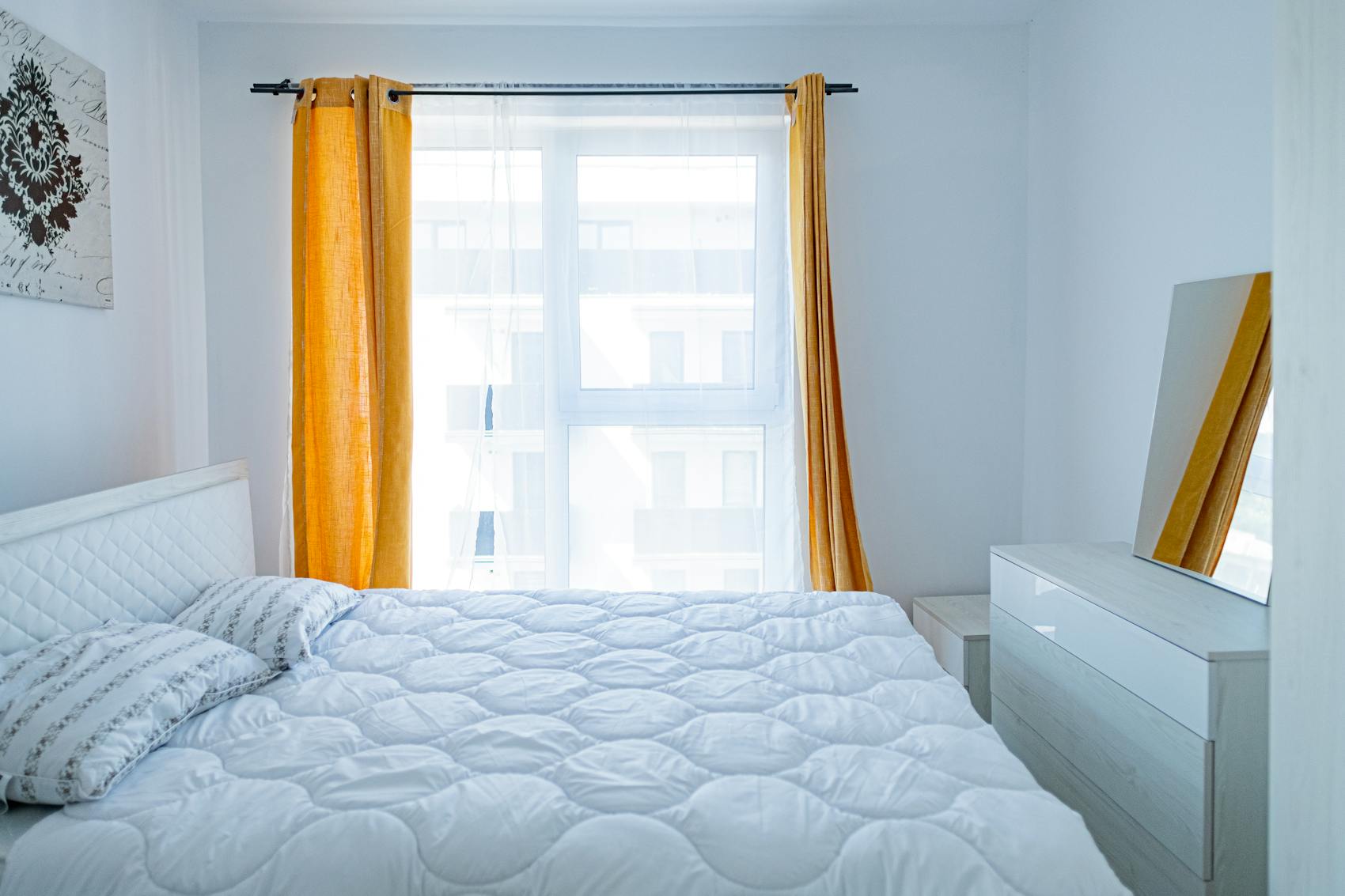
The bedroom matters most for an allergy sufferer. You spend seven or eight hours there, often with your face close to a pillow, duvet, and mattress. Dust mites like exactly that setup. This does not mean you need to wash every piece of bedding every week. It means the bedroom deserves priority over areas that look dirtier but affect your breathing less.
Wash bed linen at 60 °C when the fabric allows it. With delicate materials, use a longer cycle, dry everything properly, and keep the routine regular. Check the labels on pillows and duvets. Some can go in a domestic washing machine. Others are better handled by a laundry service or a cleaner with access to larger equipment. A damp duvet drying for two days in a small bathroom is not an allergy friendly solution.
Vacuum the mattress slowly. One quick pass does almost nothing. If your vacuum has a HEPA filter, use it. If not, renting or borrowing a better vacuum for the spring deep clean may help more than buying another perfumed spray. Around the bed, clean the slats, headboard, space under the mattress, and the skirting board behind it. That grey felt-like dust under beds is ugly, but more importantly, it moves when disturbed.
A client from Dejvice once told me that every spring clean left her needing stronger antihistamines for two days. She was not cleaning too little. She was cleaning too fast and too dry. When she changed the order, cleaned the bedroom with damp cloths, and handled textiles in smaller batches, the first week already felt different.
Dust needs to be caught, not pushed around
A dry cloth is quick. For allergy cleaning, it often loses. It lifts dust, catches some of it, and sends the rest elsewhere. A slightly damp microfiber cloth works better. Not wet. Just damp. Be careful with wood, electronics, and lacquered furniture, because water damage is a stupid price to pay for a cleaner shelf.
Work from top to bottom. Wardrobe tops, shelves, light fittings, window ledges, lower furniture, then floors. If you start with the floor, dust from higher surfaces will fall back down anyway. In the kitchen, watch the greasy dust on top of wall cabinets. Plain water usually struggles there. A weak dish soap solution, followed by clean water and drying, is often enough.
Dust also hides in places you see every day and stop noticing: blinds, radiators, picture frames, the top edge of doors, extension leads under the desk. For an allergy sufferer, these details are not fussy. If dusty blinds shake every time you open the window, pollen and dust get another chance to move through the room.
Air the flat, but choose the moment
Spring air is tempting. After winter, everyone wants to open the windows and let the flat breathe. For someone with pollen allergies, long daytime airing can backfire. Pollen settles on window ledges, floors, curtains, and bedding.
Air briefly and strongly. After rain is usually better. Early morning may work too, depending on local pollen levels. In Prague, use common sense as well: if the street is dusty or someone is cutting grass in the courtyard, keep the windows closed. If you have an air purifier, run it after cleaning, not only at night after the particles have already spread.
Be careful with drying laundry outside. It smells lovely. It also brings pollen back into the home. Bedding for an allergy sufferer is better dried indoors or in a dryer during pollen season. Less romantic, yes. More useful.
Carpets, curtains, and soft furnishings hold the most allergens
Soft textiles make a home comfortable. They also hold dust and pollen beautifully. Carpets, runners, curtains, decorative cushions, stuffed toys, throws on the sofa. Anything soft and fibrous can keep allergens long after the window is closed.
Vacuum carpets slowly, ideally with a HEPA filter. A high pile carpet needs more than one lazy pass. Wet extraction can help from time to time, but only if the carpet dries properly. A damp carpet in a poorly ventilated apartment invites mold. This is one of the places where professional cleaning earns its money, because a good extractor removes more water than most home machines.
Wash curtains according to the material. Flats near busy roads, say Žižkov or the main road through Prague 2, often have grey curtains sooner than the owner wants to admit. If you do not want to wash curtains every month, at least take them down in spring, shake them outside away from the flat, and wash them before the strongest pollen wave.
In a child's room, be practical rather than heroic. Keep the stuffed animals the child actually uses. Put the rest in a closable box for a while. Less textile means less dust. It is not a design statement. It is relief for the nose.
Bathrooms and damp corners: mold is part of the allergy story
Pollen and mites are not the only triggers. Mold in the bathroom, around windows, or behind furniture can make breathing worse too. Spring often reveals what winter moisture has been feeding in corners.
Fix the moisture first. Use the bathroom fan. Air briefly after showering. Wipe water from the shower screen. Leave a gap between furniture and a cold wall. If you only bleach the silicone and keep the room damp, the stain will return.
Remove visible mold from washable surfaces according to the material. Grout and silicone may need a targeted product, but do not overdo chlorine in a tiny bathroom. Ventilate, wear gloves, and never mix cleaning products. Larger mold patches on walls are no longer normal cleaning. At that point, look for the building cause or get professional remediation.
Cleaning products: less perfume, fewer problems
A strong scent does not mean clean. For allergy sufferers, a perfumed spray can irritate the airways more than the dust did. For a normal spring apartment clean, you often need microfiber cloths, water, mild dish soap, a limescale remover, and something specific for grease. Vinegar has its uses, but not everywhere. Natural stone and some grout can suffer from acid.
Use sprays carefully. When you mist a product into the air, you breathe some of it. It is often better to spray into the cloth or use a foam where it makes sense. Fragrance free or lightly scented products are usually a safer bet. Not because they are fashionable. Because they irritate less.
People also overdose cleaners. More product rarely means a better result. It often leaves a film that catches dust faster. Then the floor feels sticky, the worktop smears, and you end up cleaning the same surface again.
Split the spring clean before it splits you
An allergy sufferer should not clean the whole apartment in one go if cleaning makes symptoms worse. Divide the work. One day for the bedroom and textiles. Another for dust and surfaces. A third for floors, bathroom, and kitchen details. Between sessions, air the flat sensibly and let disturbed dust settle.
Wear a respirator or at least a well fitting mask while vacuuming, handling textiles, and cleaning high surfaces. After dusty work, change clothes and wash your hair if you have been cleaning above shoulder height. It sounds excessive until you try it once during pollen season.
If you hire help, say clearly that the job is allergy focused. A good cleaner or cleaning service will adjust the method: damp dusting, HEPA vacuuming, limited fragrance, textile work by agreement, no dry sweeping. On CistýKout, describe the flat concretely: number of rooms, carpets, pets, floor type, sensitivity to scents. The more precise the brief, the better the result.
Quick checklist for an allergy friendly flat
- Wash bedding regularly and at 60 °C when possible.
- Dust with a damp microfiber cloth, not a dry duster.
- Vacuum slowly, ideally with a HEPA filter.
- Air briefly and avoid peak pollen times.
- Do not dry bedding outside during pollen season.
- Reduce unnecessary textiles, especially in the bedroom.
- Treat mold together with the moisture cause.
- Choose fragrance free or mildly scented cleaners.
- Wear respiratory protection during a big clean.
- If booking help, mention that an allergy sufferer lives in the flat.
When professional cleaning makes sense
Professional cleaning is not giving up. For allergy sufferers, it can protect your energy and your breathing. It makes sense for carpets, upholstery, large windows with blinds, a tired bathroom, post renovation dust, or high shelves and heavy furniture you cannot move safely.
Prices in Czech cities vary by scope and equipment. For standard apartment cleaning in Prague, a rough hourly range is about 300-500 Kč. Specialist carpet or sofa cleaning is usually priced by size and material. A cheaper offer is not automatically bad, but for allergy cleaning, ask about the method, vacuum filtration, and products used. That matters more than saving fifty crowns per hour.
A good spring clean for allergy sufferers should feel calm, planned, and almost boring. No clouds of swept dust. No perfume explosion. No windows open all day just because the sun came out. When allergens are removed rather than moved around, you notice it later. Less throat irritation. Less sneezing after waking. A home that finally stops acting like another pollen trap.