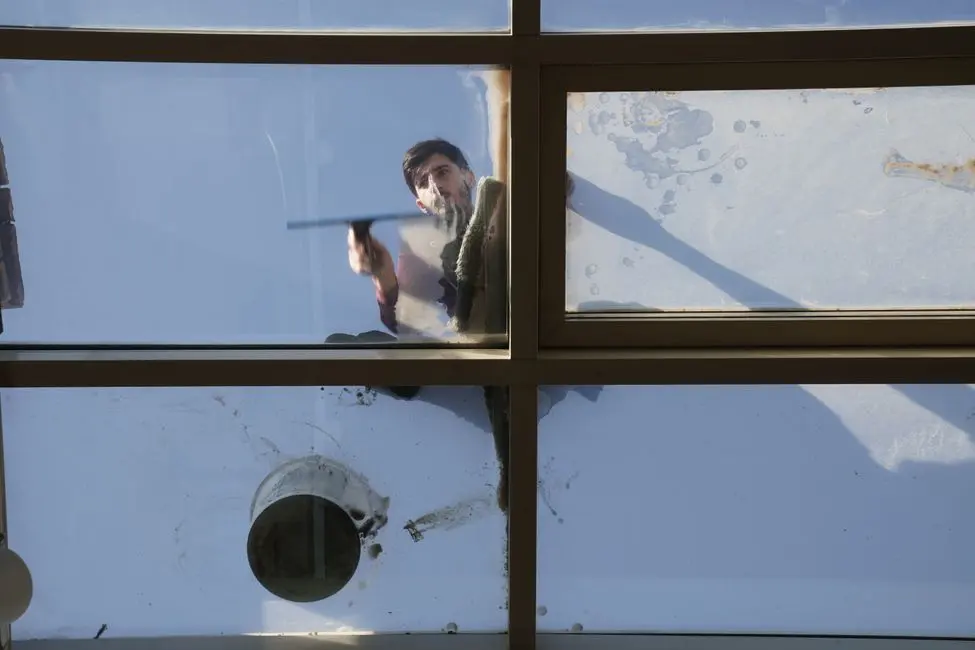
Cleaning windows in July? For some, it's a relaxing weekend chore. For most of us, it's a sweaty nightmare that ends with tired arms and glass covered in grey streaks. It’s 30 degrees in the shade, the sun is beating down on your windows, and you're desperately trying to get that crystal-clear shine. But there’s a catch: the water evaporates faster than you can even reach for your squeegee. I’ve been around the Prague cleaning scene for a few years now, and I can tell you one thing: the rules change in the summer. If you stick to your springtime routine, you’re just going to work twice as hard for a result that’ll leave you frustrated.
Why is window cleaning such a pain in July?
July 2026 is heating up fast. Temperatures are regularly hitting tropical levels, and for your windows, that means they turn into giant radiators. When you put water and cleaning solution on glass that’s sitting at 50 degrees Celsius in direct sunlight, it evaporates almost instantly. Those annoying streaks? They usually aren't dirt. They're the residue of chemicals and minerals from the water that dried onto the glass before you could even wipe them off.
The glass temperature is actually more important than what's in your bucket. People often think that hot water is better for dissolving grease - like the pollen that’s been settling on Prague windows since June. In summer, it’s the opposite. Hot water on scorching glass just makes the drying process even faster. Plus, there’s the physical stress on the glass. If you have older windows, like the ones in original apartments in Bohnice or Kobylisy, the sharp temperature jump can cause micro-cracks. The glass basically goes into thermal shock.
Streaks also come from what you're pouring into the water. Modern cleaners often have alcohol or polishing agents designed to dry fast. In room temperature, that’s great. In a July heatwave, it’s a mess. The cleaner "bites" into the surface, and you end up spending hours buffing out something that shouldn't have been there in the first place.
Mistakes that cost you your sanity (and the shine)
Even professionals get caught off guard sometimes, but at ČistýKout, we see these five slips over and over. The first is using hot water. I've said it before, but it's worth repeating: hot water on sun-drenched glass is a disaster. Always use lukewarm or even slightly cool water. You need to cool down the glass, not cook it.
Another classic is using too much foam. We tend to think that more suds mean more clean. But foam dries in a heartbeat in the summer. Those tiny bubbles that pop leave marks on your glass. If you’re using dish soap - which is a great degreaser - literally a few drops for a whole bucket is plenty. If you see white clouds of foam on your window, you’re using way too much.
Timing is everything. I see it a lot in Prague housing estates on Saturday mornings: the sun is blazing directly onto the windows, and owners are scrubbing away with everything they've got. I get it, it’s your day off, but you're fighting against nature. The best time for summer windows is either very early in the morning, ideally before 7:30 AM, or in the evening when the sun has dropped behind the building. The perfect time is actually when it's overcast before a storm. The air is more humid, and the water doesn't dry as aggressively.
Then there's the frames. Prague gets a lot of dust from traffic and construction in the summer. If you don't thoroughly clean the frames first, including those inner grooves, you’re just dragging new dirt down from the top edge every time you swipe. That streak in the corner of your window? Usually, it's just washed-down dust from the frame.
And the fifth thing? Old rags or newspapers. Newspapers were fine thirty years ago, but today's ink and paper quality can actually harm modern window coatings. Old t-shirts tend to leave lint. 2026 is the year of quality microfibers.
Golden rules for a clear view
If you want windows like the ones in the brochures, start with the logistics. Cleaning early or when it's cloudy is the main rule. If your apartment faces south, start there at 6 AM. If it faces west, save it for the evening.
My favorite trick that still works despite all the tech is plain old vinegar. But don't use the strong-smelling cooking kind. These days we use white vinegar mixed with a bit of citric acid. This mix neutralizes the limescale from Prague’s hard water, which is the biggest enemy for windows. Modern nano-coatings are also great because they create an invisible film on the glass that makes rainwater slide off without leaving spots. If you live on a busy street like the Magistrála, nano-protection can save you one cleaning session a season.
Squeegee technique is what separates the pros from the rest. Forget chaotic movements. A pro uses the "S" technique - one continuous, fluid motion across the entire glass without lifting the squeegee. If you don't have the knack for that yet, stick to classic vertical strokes from top to bottom, overlapping by a few centimeters. The key is to have a dry, clean microfiber cloth in your hand and wipe the squeegee blade after every single stroke. If water stays on the squeegee, the next stroke will leave a line.
Helpers from 2026
We’re living in 2026, and technology has moved into our windows too. Robotic window cleaners aren't just expensive toys anymore. Are they worth it? My experience is clear: if you have floor-to-ceiling windows or a large glass balcony, a robot is a lifesaver. 2026 models now have vibrating pads and water tanks, so they don't need you to pre-spray the glass. They aren't perfect in the corners - you still need a cloth for that - but they save you most of the hardest work.
Cordless window vacuums are standard now. In the summer, they’re priceless because they suck up the water before it has a chance to evaporate. But if you don't work quickly with them, even they can leave a mark at the edges. The trick is not to press too hard. Let the rubber do its job for you.
Next-generation microfibers are a small miracle. Today's cloths have a special waffle structure or are made from recycled nanofibers. They can polish glass completely dry with minimal water. If you feel a "fog" on the window after cleaning, it's likely grease that a cheap rag just smeared around. A quality microfiber will absorb it and not let go.
When should you just call the pros?
Sometimes, it's just better to admit you don't have the time or the gear. Hard-to-reach places and high-altitude cleaning are clear signals. If you live on a high floor of a new build and have windows that don't open inwards, don't try any acrobatics with a telescopic pole.
Risking a fall for a clean pane of glass is never worth it. At ČistýKout, we have professional climbers or lift platforms for these cases.
Large glass surfaces in new developments, like those stunning views from the Pankrác skyscrapers, are beautiful in summer, but keeping them clean is a full-time job. A professional has the equipment to clean 100 square meters of glass in a fraction of the time it would take you with a bucket and a rag.
And then there's the time factor. July is the month of vacations, bike trips, and BBQs. Do you really want to spend your only free Saturday fighting streaks on your windows? Leave it to us. ČistýKout connects the best independent cleaners and companies in Prague with people who value their time. We’ll handle the streaks; you enjoy a cold drink on the terrace.
If you feel your windows need professional care without compromise, just click below. A non-binding cleaning request from ČistýKout is the first step to a home that truly shines.