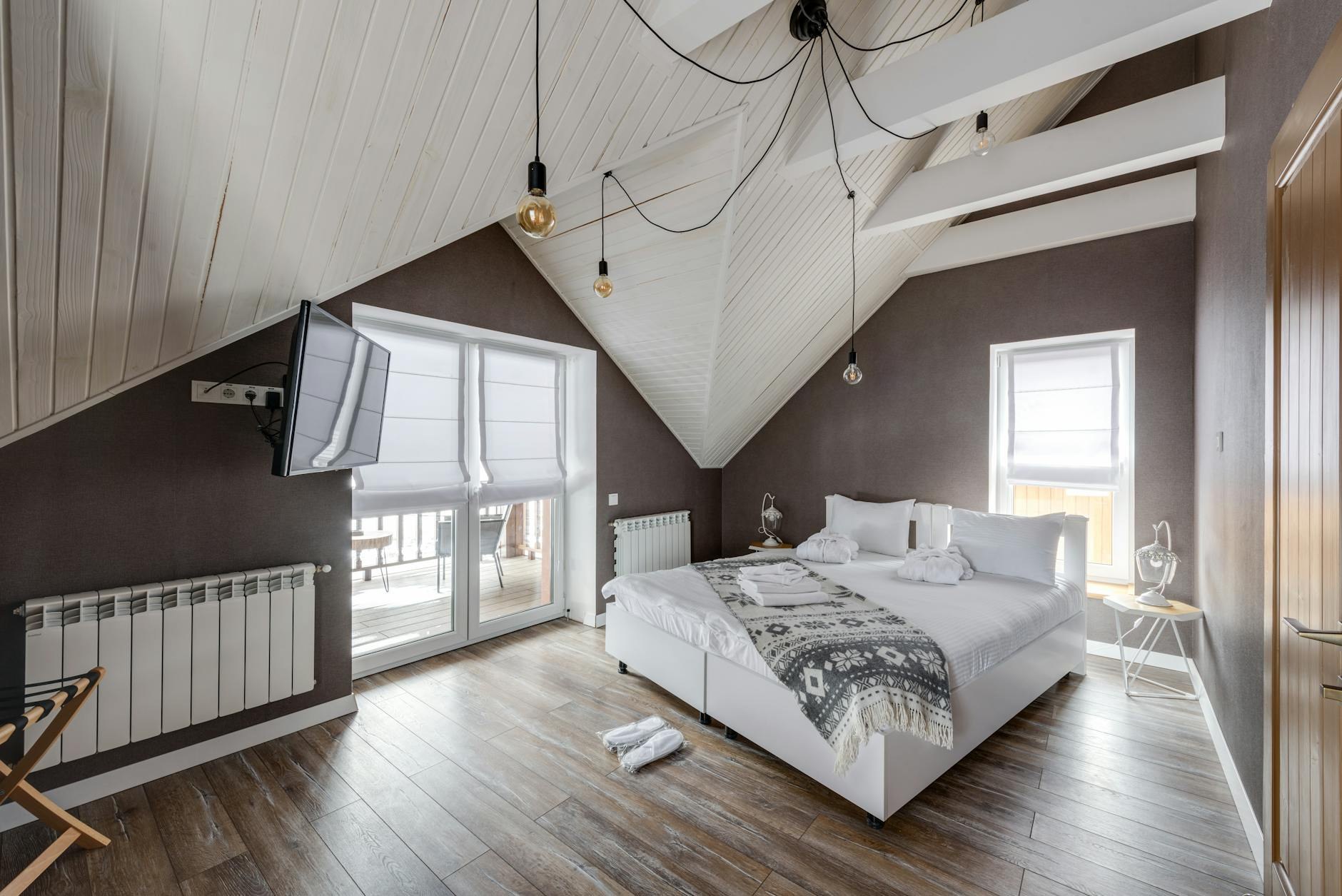
Cleaning rental apartment between guests is not exactly the glamorous part of hosting, but it is the operational layer that protects reviews, timing, and your sanity. When it goes wrong, the guest knows before they even set their suitcase down. In Prague, one stale-smelling bathroom, a single hair on the sink, or a greasy mug in the cupboard is enough to turn a potential five-star review into a headache. I see the same pattern all the time: the apartment looks stunning in photos, but the turnover process has no system, so every checkout turns into an improvised scramble.
Anyone who handles airbnb cleaning or short-term rental cleaning knows it is about more than just mopping floors and changing sheets. It is about rhythm, sequencing, critical control points, and making sure the same mistakes do not happen twice. Guests do not see the 45-minute hustle. They only see the result, and that result has to feel undeniably clean, fresh, and guest-ready.
In the Czech Republic, it’s common for apartments to run on razor-thin margins between checkout and check-in. Laundry is often handled off-site, keys are in lockboxes, and different people might cover different shifts. Without a solid apartment turnover checklist, the whole machine starts to grind pretty fast. Here is a workflow that protects both your reviews and your time.
What a guest actually notices in those first 3 minutes
The first three minutes carry more weight than the rest of the stay combined. This isn't just theory - try standing in the doorway yourself as a guest, not as a cleaner. What hits you first? The scent. Then the bathroom. Then the bed. And right after that, the kitchenette.
A guest rarely starts by inspecting the floorboards. But they instantly notice stale air, an overpowering cheap air freshener, a damp cloth left in a cabinet, or a bathroom that looks white but doesn't feel "crisp." That is why cleaning rental apartment between guests has to start with air and bathroom control, not with straightening the decorative pillows.
Three things kill reviews faster than anything else: hair, odor, and grease. A stray hair in the bathroom feels personal, as if the apartment wasn't truly reset for a new arrival. Odor is even worse because you can't "un-smell" it. And kitchen grease? That tells a guest immediately that the surfaces were only wiped where it was convenient, not where it was necessary.
A clean floor isn't enough on its own. This is a common trap for people moving from residential cleaning into high-volume turnovers. In a regular home, the client knows the space, tolerates minor slips, and values the overall effort. A short-term guest tolerates nothing. They have paid a premium for a two-day stay and are subconsciously comparing you to the last five places they have been. The goal is not just to wipe surfaces, but to prepare apartment for guests before they start judging the stay.
That’s why I always check four specific points at the entrance: the air quality the moment the door opens, the shine on the bathroom fixtures, the tension of the bedsheets, and the kitchen countertop against the light. If those four are right, the apartment feels safe. If not, it doesn't matter how well you mopped.
The 45-minute checkout checklist, step by step
When you’re on a 45-minute clock, the order of operations is everything. It’s not about who runs faster; it’s about eliminating backtracking.
I start the moment I walk in with a quick damage sweep. I open the windows and check for forgotten items: keys, chargers, passports, earbuds, or toys. I scan the glassware, towels, and linens for visible stains or breakage. This one minute saves huge headaches later when a guest calls about a missing item or a host has to deal with damage claims without photos.
The bathroom comes next. It’s the most sensitive area for hair, limescale, and smells. Swap the towels, empty the bin, disinfect the toilet, clean the shower or tub, the sink, fixtures, mirror, and a quick drain check. Finish with the floor and the corners around the toilet. If a stray hair is hiding anywhere, this is usually where it is.
The kitchen follows immediately. Start with the fridge and microwave, then the work surfaces, sink, tap, hob, handles, and the coffee machine or kettle. Crumbs in a cutlery drawer or a greasy vent aren't just details. They are exactly where a guest will reach during their first evening.
I leave the bedroom and main living area for the end. Strip and remake the bed, tighten the sheets, check the mattress protector, fluff the pillows, and wipe down nightstands, lamps, windowsills, and remotes. Then do a quick scan of the sofa and the space under the bed. In central Prague apartments, you’d be surprised how often a forgotten sock, cosmetic pouch, or takeaway container ends up there.
It’s always better to separate laundry from the cleaning block if the schedule is tight. If you’re washing and drying on-site during the turnover, your timing becomes fragile. Having a second set of linens ready and treating laundry as a separate operational block is practically a necessity for multi-unit management.
A condensed 45-minute turnover checklist looks like this:
- Open windows and conduct a damage/forgotten item check
- Collect forgotten items and photograph any issues
- Deep clean the bathroom from top to bottom
- Wipe down the kitchen, including all appliances and handles
- Change the bed and inspect all textiles
- Sanitize touchpoints throughout the entire apartment
- Vacuum, mop, turn off lights, close windows, and do a final scan from the door
That last step is more important than it looks. I always go back to the door, close it, open it again, and look at the flat as if I just arrived. This 20-second check catches a crooked throw, a forgotten cleaning rag, or a bin bag left by the counter.
Critical spots where guests look for dirt most often
Certain areas attract complaints like magnets. It’s not necessarily because they are the dirtiest, but because guests notice them at the worst possible time.
In the bathroom, hair is the absolute champion of complaints. Floor corners, the inside of the shower screen, around the drain, on the back of the toilet paper holder. It is amazing how one hair can seem to appear everywhere. This is why you need a dedicated microfiber cloth just for the final dry-polish and a quick check against the light.
In the kitchen, crumbs and grease are detected faster than you’d think. Guests open the fridge, grab a mug, touch the cupboard handles, and turn on the kettle. A quick wipe isn't enough; you have to check the underside of the countertop edge, the front of the cabinets, and the seal around the sink.
Remotes, handles, and switches are classics. In a normal home, you barely notice them. A guest notices them immediately because they are the first things they touch. Honestly, a greasy remote in a beautiful apartment feels worse than dust on a high shelf.
The fridge deserves its own mention. It doesn't need a full scrub every time, but it does need a check for odors, crumbs, and leftovers. A half-used lemon from last Friday, an open cheese wrapper, or a sticky shelf can ruin the first impression instantly.
How to maintain standards with a team
The moment more than one person is involved in turnover cleaning, quality has to depend on the system, not on individual talent. Talent is great, but a standard has to be transferable.
The foundation is using the exact same checklist for every visit. Avoid the "everyone knows what to do" trap. They don't. One person focuses on bathrooms, another is fast but skips details, and another makes great beds but misses the fridge. Without a fixed sequence, quality varies by shift.
Photo documentation of key points helps immensely. You don't need a full archive every time, but defined shots of a made bed, the finished bathroom, the kitchen counter, the fridge interior, and the entry zone make a difference. If a complaint comes in, you know exactly what was handed over. Plus, a new hire can see exactly what "done" looks like in practice.
Supply management is another frequent point of failure. Often, a turnover doesn't fail because of the cleaning itself, but because there’s no toilet paper, dishwasher tablets, bin bags, or a fresh set of towels. When supplies are missing, the cleaner has to improvise, and improvisation is expensive.
I recommend a simple operational box or locked cabinet in the apartment: paper goods, sponges, cloths, spare bulbs, bags, mini toiletries, basic chemicals, and a linen set. Everyone knows where to look and what needs to be restocked.
Pricing turnover cleaning without losing money
Rental turnovers look simple from the outside, but the pressure, laundry logistics, and zero-tolerance for mistakes drive the real cost.
The size of the apartment is only part of the equation. A small studio after a two-night party can be harder to reset than a two-bedroom apartment after a business traveler. The real price drivers are occupancy rates, guest types, turnover frequency, lift access, parking, and whether laundry is handled on or off-site.
A flat fee works when you have a repeatable standard and a known average time. Hourly rates are safer for new properties without a history. In Prague, many providers make the mistake of offering a low flat fee only to realize they are also doing laundry, restocking, damage reporting, and host communication for the same price.
Extra tasks should be billed separately. This includes off-site laundry, reporting damage, returning lost items, deep cleaning an oven, or treating heavy smoke/alcohol odors. If you hide these in one base price, your margin will vanish quickly.
When to specialize in short-term rental turnovers
Specializing in apartments makes sense if you want a regular, predictable workflow. Once you and the host are in sync, the work is more forecastable than one-off deep cleans.
However, it's not for everyone. You have to be punctual without excuse, available on weekends, and ready to handle last-minute changes. A late checkout or a messy departure right before the next arrival can be stressful. If you prefer long, quiet blocks in a single household, you’ll likely find this segment relentless.
In my experience, this work is best for people and companies that excel at systems, logistics, and fast communication. It’s less suited for those who "hope for the best." With apartments, "hoping" doesn't last long.
If you are looking for a reliable partner for airbnb cleaning in Prague or help getting a guest-ready apartment between stays, keep one rule in mind: quality must be repeatable on a bad day, not just when you have plenty of time.
If you need a professional turnover system for your Prague property, feel free to send a non-binding contact inquiry. A good system starts with knowing exactly what needs to be right every single time.