
At first glance, the home looks fine. Then you notice the shower glass that never really clears up, the sticky film on the kitchen tiles, the dust caught on skirting boards and switches, and the corners that stay tired no matter how often surfaces get wiped. That is usually the point where regular cleaning stops being enough. This guide explains what deep cleaning usually includes, when it makes more sense than routine cleaning, and how to confirm the scope before you book so you do not pay for the wrong level of service.
Regular vs. deep cleaning: the difference that actually matters
Regular cleaning is maintenance. The goal is to keep a home at a good everyday standard. Floors get vacuumed and mopped, visible surfaces are wiped, and the bathroom and kitchen are cleaned in their normal working range. When a home is already in decent shape, that is often exactly what you need.
Deep cleaning has a different job. It is closer to a reset than a tidy-up. Instead of maintaining a standard, it tackles built-up grease, limescale, old dust in details, and the neglected spots that routine visits rarely have time to fix properly. The key difference is not just time. It is the purpose of the visit. Deep cleaning goes after the layers that have been sitting there for weeks or months.
Think of a flat in Prague where the counters are cleared and the floor is not dirty, yet the extractor hood feels sticky, the backsplash holds a greasy film, and the bathroom taps still look cloudy after every ordinary clean. That is the classic signal. If dirt cannot be removed within a standard visit without going into detail work, it is probably time to book a deep clean instead of asking routine cleaning to do a job it was never designed for.
A quick shortcut helps here. If your home looks presentable from the doorway but the problem shows up the moment you use the kitchen, shower, or storage areas, you are no longer dealing with simple upkeep. You are dealing with accumulated buildup. Booking the right service from the start usually saves money, time, and a lot of disappointment. On CistýKout, that matters because you can compare what each professional actually includes before you commit.
What deep cleaning usually includes
Kitchen
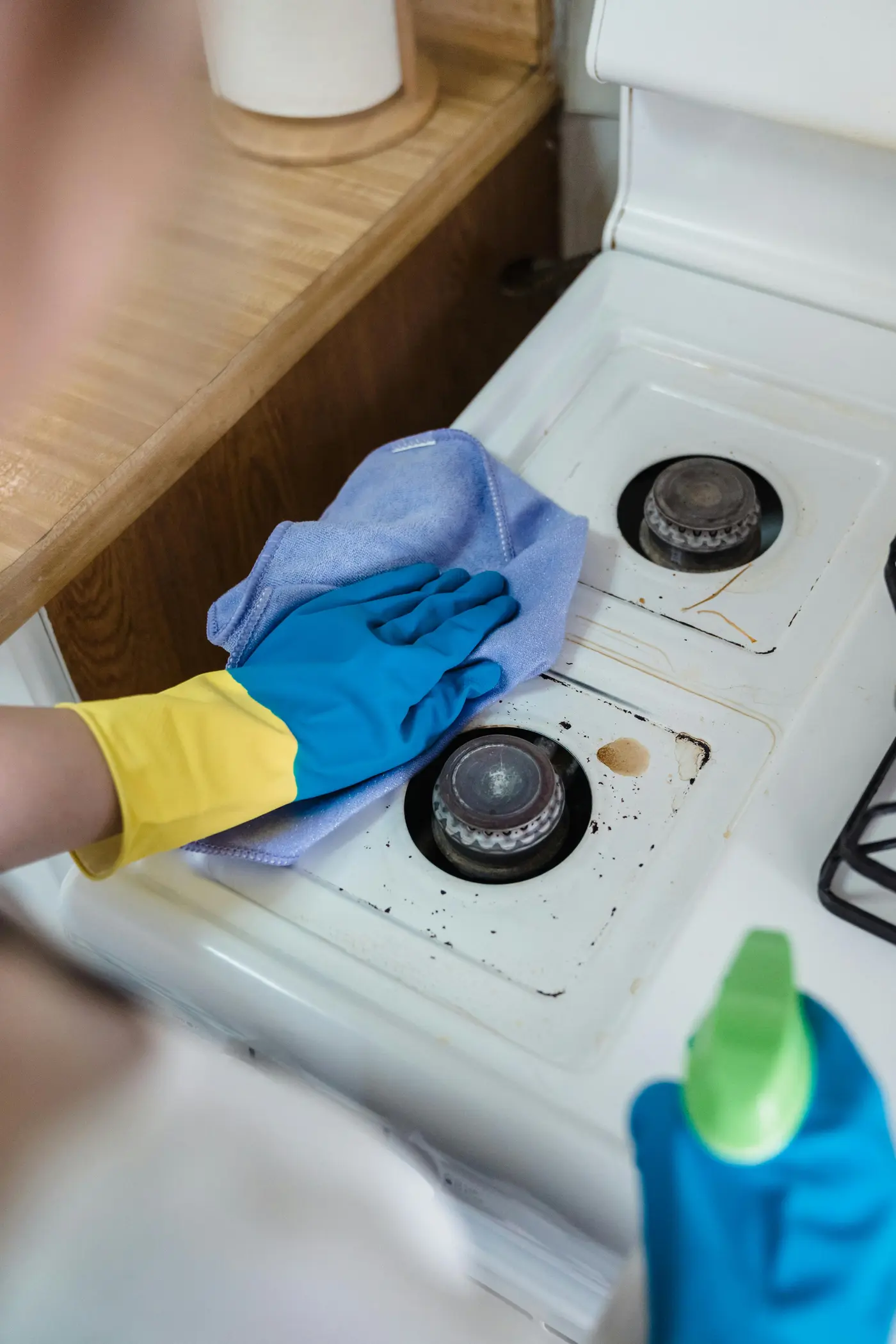
In the kitchen, deep cleaning usually focuses on grease and detailed surface cleaning. That often means degreasing worktops, tiles, cabinet fronts, handles, splash zones, taps, and the outside of the extractor hood. Depending on the provider and the package, it may also include appliances from the outside and sometimes from the inside. This is where expectations often drift apart. Oven cleaning, fridge interiors, and inside cabinets are common requests, but they are not automatically included in every deep cleaning package.
Bathroom and toilet
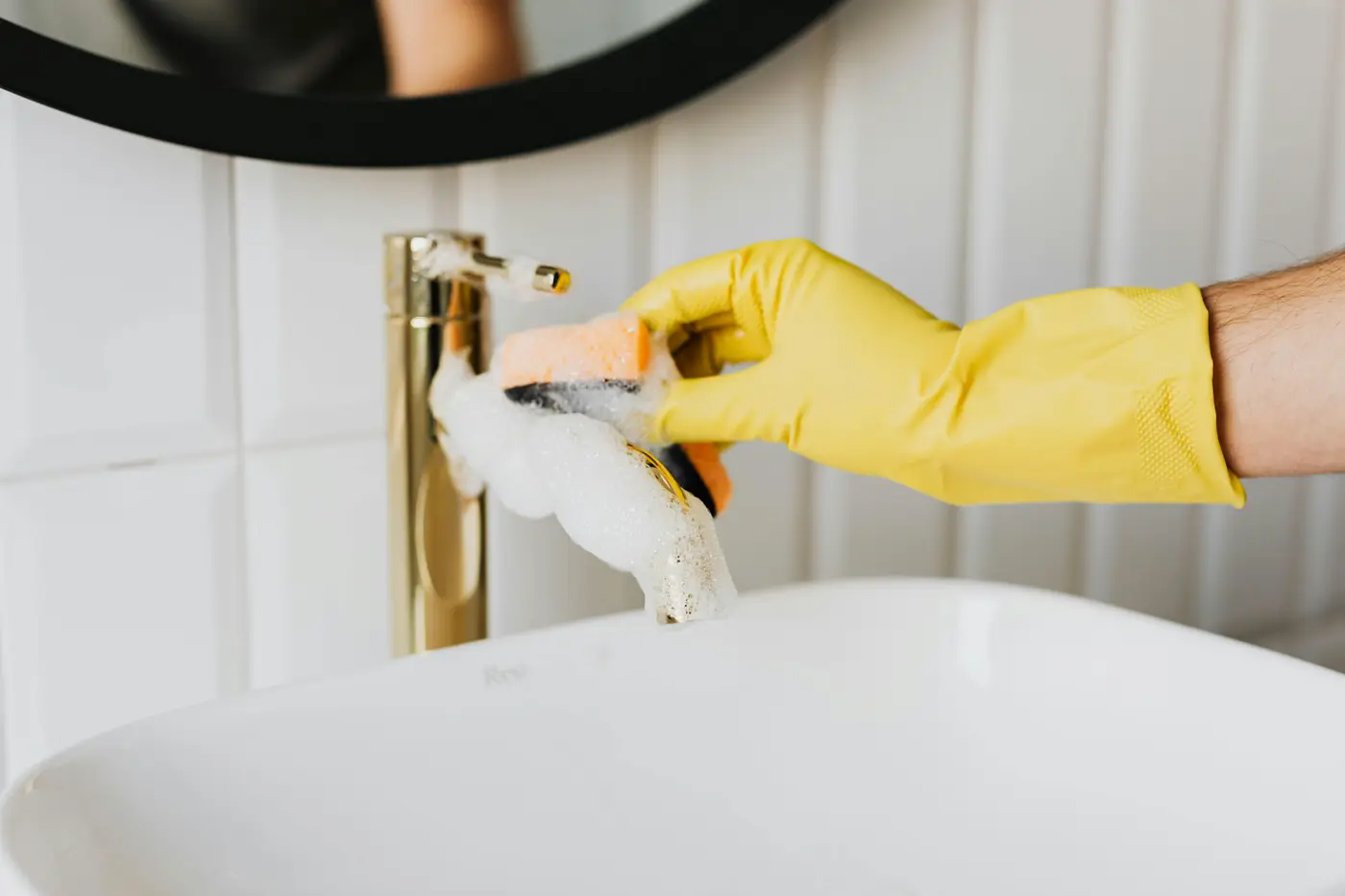
Bathrooms are one of the clearest use cases for deep cleaning. This is where professionals often deal with limescale on taps and shower glass, buildup around drains, grout lines, corners, tile edges, and the awkward spaces around toilets or bath panels. Routine cleaning freshens the room. A deep clean goes after the older deposits that still bother you when you look closer.
Dust, details, and harder-to-reach areas
This part of the job is less glamorous and usually more important than people expect. Skirting boards, door frames, upper shelf edges, switches, handles, blinds, shelves, and the places around sockets and corners collect dust and residue that basic cleaning often skips. These details are the reason a home can look clean in photos but still feel neglected in real life.
Textiles, touchpoints, and extras that may cost more
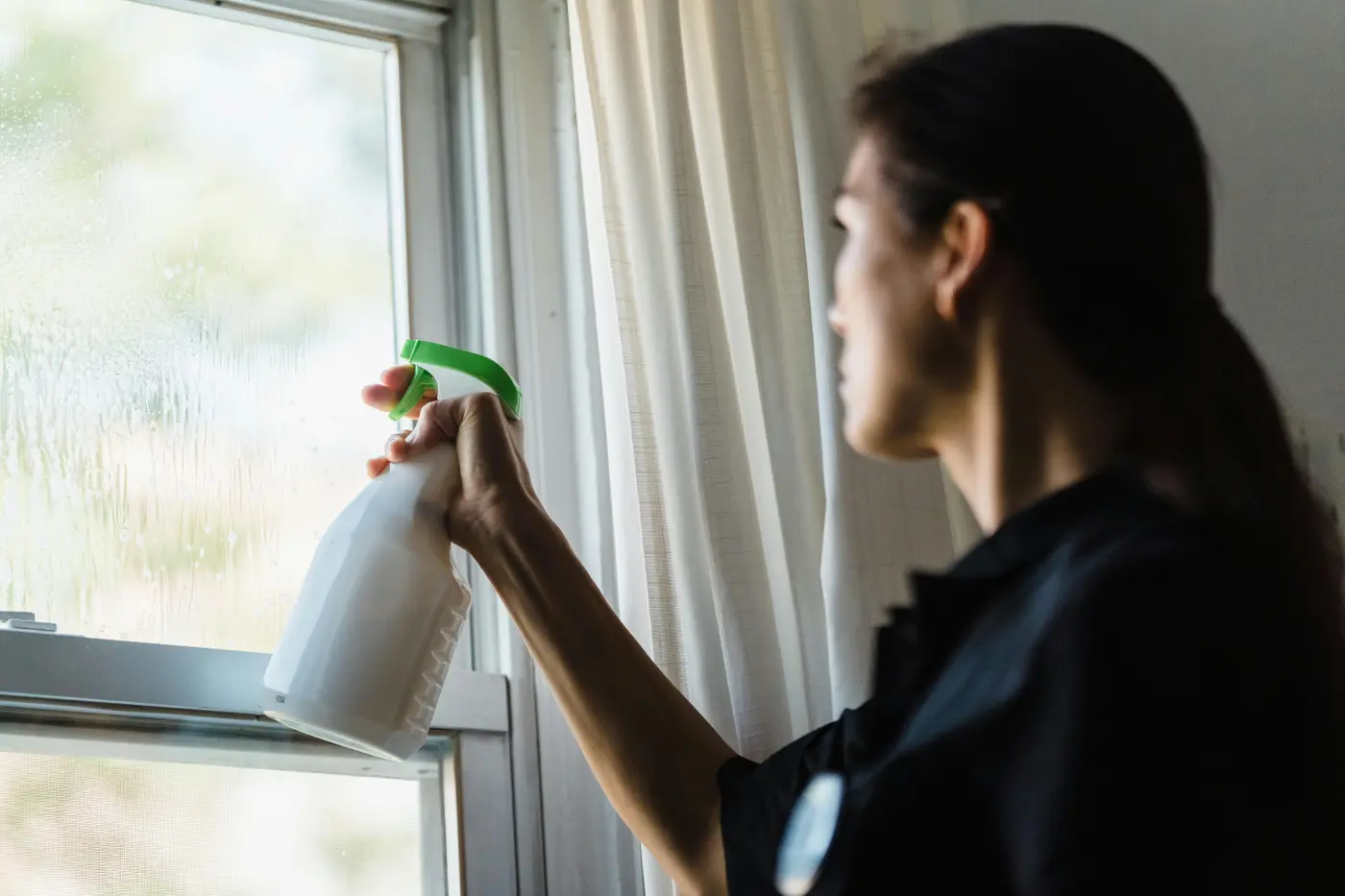
A deep clean often includes more thorough wiping of doors, frames, switches, handles, and other touchpoints used every day. Textiles need a clearer distinction. Light dusting or vacuuming may be part of the visit, but sofa cleaning, mattress cleaning, carpet washing, upholstery cleaning, inside cupboards, windows, ovens, and fridges are often add-ons or separate services. Before booking, ask directly whether the oven, fridge, windows, or cupboard interiors are included. That one question prevents a lot of frustration.
- Deep cleaning usually includes detailed surface work, not every specialist task.
- Oven, fridge, windows, and cupboard interiors may be included only by agreement or for an extra fee.
- Sofa, mattress, and upholstery cleaning are often separate services.
- Deep cleaning is not the same as specialist sanitation of extremely neglected or hazardous spaces.
How much time, preparation, and manpower deep cleaning usually needs
No honest provider should promise an exact duration without context. The size of the home matters, but so do the number of bathrooms, the level of buildup, the amount of textiles, and whether you want appliance interiors or cupboard interiors cleaned. In many homes, deep cleaning takes noticeably longer than a routine visit and may involve more than one cleaner at the same time.
Preparation also changes the outcome more than people think. A client may expect a highly detailed kitchen clean, but if the worktop is covered with small items and the problem areas are blocked, the team first has to clear access before they can even start cleaning properly. Time disappears fast that way. Not because the service is weak, but because the working conditions were unclear.
A better approach is simple: remove personal items from surfaces, make priority areas accessible, and mention sensitive materials or must-fix spots in advance. If your real issue is the bathroom limescale, greasy kitchen tiles, blind slats, or the inside edges of frames, say so before the visit. Good preparation means more of the booked time goes into actual cleaning rather than moving things around.
When deep cleaning is truly worth booking
Deep cleaning usually pays off after moving out, before moving in, after tenants, after a long stretch without a proper reset, or before switching back to regular maintenance. It is also common before holidays, important visitors, or after illness, when people want the home to feel genuinely refreshed rather than quickly tidied.
The money logic is straightforward. One deep clean can create the baseline that makes future regular cleaning faster and more efficient. Without that reset, clients sometimes keep booking standard visits and hoping they will somehow remove months of grease, limescale, and neglected detail dust. That rarely ends well. Regular cleaning maintains. Deep cleaning catches up.
The opposite can also be true. If your home is already well maintained, you may not need deep cleaning often. Sometimes a one-time standard clean or a regular schedule with clear priorities is enough. Deep cleaning is not something to book out of guilt. It is the right tool when routine upkeep no longer matches the actual condition of the home.
- Grease or limescale keeps coming back even after standard cleaning.
- Grout, corners, switches, and detail areas are visibly neglected.
- You are taking over a flat after tenants or preparing it for handover.
- You want to start regular cleaning, but the home first needs a reset.
- You are dealing with post-renovation dust - with the caveat that construction cleaning can be a separate category.
A good example is a household that kept booking extra routine cleans and getting annoyed that the bathroom still looked tired and the kitchen still felt sticky. The issue was not effort. It was service mismatch. Once they booked a deep clean first and only then moved to a regular plan, the outcome finally matched what they expected. If you are unsure, use that logic as your checklist and describe the exact problem areas when requesting quotes through CistýKout.
What to ask before booking so you get the result you expect
Clear communication before booking matters more than chasing the cheapest offer. Two homes can have the same floor area and completely different cleaning needs. The client who explains priorities, problem areas, and expectations usually gets a better result than the one who sends only the address and square meters.
- What exactly is included in your deep cleaning package?
- What is charged extra?
- Do you also clean the oven, fridge, windows, or cupboard interiors?
- How many people usually come, and how do you estimate time?
- Do you bring your own products and equipment?
- What should I prepare before the visit?
- If I cannot do everything at once, which areas would you prioritise first?
That small conversation changes the result. One client books a deep clean and hopes for the best. Another sends photos of the kitchen, mentions shower limescale, asks about the oven and windows, and clears the surfaces before the team arrives. The homes may be similar in size, but the outcome is not. That is where CistýKout helps: you can compare offers, confirm scope in advance, and book a service that matches the real condition of the home.
Summary: when to choose regular cleaning and when to choose deep cleaning
Choose regular cleaning when your home mainly needs ongoing upkeep. Choose deep cleaning when the home needs a reset and routine maintenance can no longer deal with grease, limescale, neglected detail work, and built-up dirt. The right choice protects your budget, but more importantly, it protects your expectations.
If you are still unsure, use this article as a booking checklist. Look at the real condition of the home, confirm the exact scope before the visit, and choose the service that fits the job instead of the label. On CistýKout, you can quickly see what each professional offers and book the cleaning that makes sense the first time.