
For small cleaning teams, the real question is not only price. The harder question is what is included in regular cleaning, and what should be quoted separately before the visit starts. If that line is blurry, the job gets underpriced very quickly.
In Prague, I keep seeing the same pattern. A client asks for regular apartment cleaning. The cleaner imagines maintenance work. The client imagines a near-reset of the whole flat. Then the cleaner arrives, opens the bathroom door, and finds heavy limescale, grease in the kitchen, and a list of "small extras" that were never discussed.
This is not a minor communication issue. It changes the time, the workload, and the apartment cleaning pricing. It also creates avoidable tension between client and provider.
Why an unclear scope is the fastest way to underprice a job
Most underpriced jobs do not start with a bad hourly rate. They start with a vague service description.
When a quote says only "regular cleaning," the client fills in the missing details on their own. In practice that often means more tasks than the cleaner planned for. Inside of the fridge. Cabinet fronts. Shower glass with old buildup. A hob that needs scraping, not wiping.
Each item sounds small. Together they can add an hour or more.
I have seen this happen in ordinary Prague flats in Vinohrady, Smíchov, and Dejvice. A cleaner plans a two-and-a-half-hour maintenance visit and walks into work that belongs to an initial clean or even a deep clean. The result is predictable. The cleaner rushes. The next booking starts late. The client feels the visit was expensive for the outcome. The cleaner feels the price made no sense.
That is why cleaning service scope should never stay abstract. "Regular clean" is too broad on its own. A useful quote says what is covered, what condition the home is assumed to be in, and which tasks count as add-ons.
What is included in regular apartment cleaning
The easiest way to explain what is included in regular cleaning is to break it down by room. Clients understand plain descriptions better than polished general phrases.
Living room and bedrooms
A regular apartment cleaning visit usually includes dusting accessible surfaces, vacuuming floors, and mopping hard floors where needed. It can also include light straightening, such as arranging cushions or wiping visible marks from furniture.
The word accessible matters. Open shelves packed with decorations, desks covered with papers, or delicate display cabinets slow the work down immediately. Unless you want to include careful rearranging in the base rate, say that these areas should be cleared in advance.
Kitchen
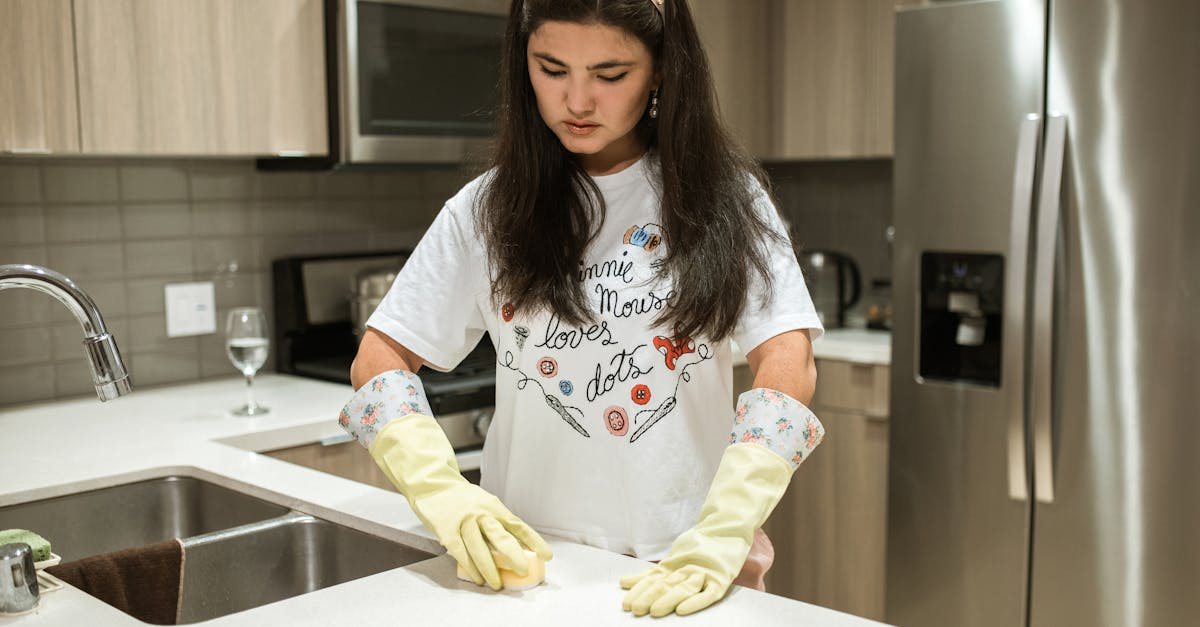
In the kitchen, the standard scope usually covers worktops, the sink, the tap, the table, appliance exteriors, and the floor. A cooker top after normal daily use also belongs here.
This is where many misunderstandings start. Wiping normal cooking marks is routine maintenance. Removing burnt grease, sticky buildup above cabinets, or old residue inside the oven is not. The same goes for the inside of the fridge once shelves, spills, and food handling are involved. That is extra work in cleaning. It needs extra time and separate pricing.
Bathroom and toilet
The regular scope here is simple. Sink, taps, mirror, toilet, bath or shower in maintenance condition, nearby tiles, and the floor.
The phrase maintenance condition is important. Fresh water marks after a few days of use are normal. Thick limescale, old soap deposits, black mold in grout, and neglected corners are not part of a standard recurring visit unless you clearly decide to include them.
Hallway and common areas
Hallways often look easy in the quote and messy in real life. In flats with children, pets, bikes, or pushchairs, the entrance area is often the dirtiest zone in the home. Shoes bring in grit. Hair gathers near skirting boards. Dust collects around corners.
A regular clean can include the hallway without any problem. The point is simply to count it properly.
There is one more distinction that helps a lot. A first visit should not be priced the same way as a recurring visit. The first appointment usually takes longer because the cleaner is learning the flat, the materials, the layout, and the client's real expectations. For small providers, this is one of the simplest ways to protect margin without sounding defensive.
What usually counts as extra work, and why you should say it upfront
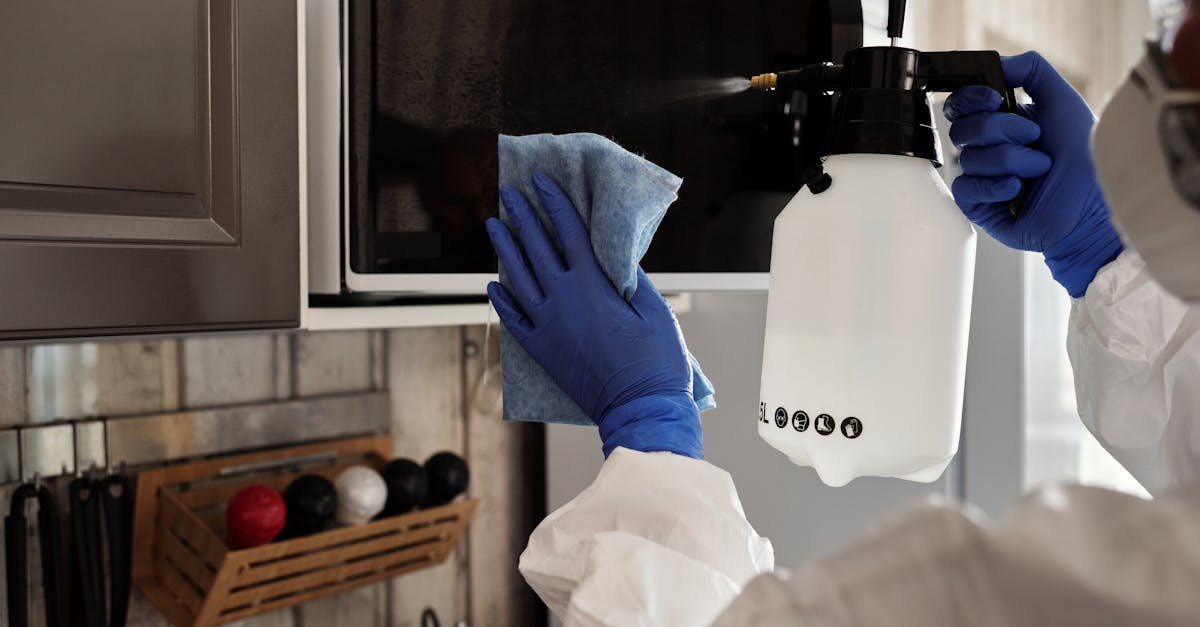
Clients often casually ask for extra tasks in cleaning. Cleaners should answer just as calmly, but early.
In most cases, add-ons include window cleaning, oven cleaning inside, fridge cleaning inside, microwaves with baked-on residue, inside cabinets, balcony cleaning, blind cleaning, heavy pet-hair removal from upholstery, grout detailing, laundry, ironing, and similar detailed tasks.
Some teams also charge extra for changing bed linen, wiping all door frames, or handling neglected first visits that clearly fall outside normal maintenance. There is no universal rule for every company. The important thing is consistency. If a task is extra on your website, it should also be extra in your message, your quote, and your cleaner's explanation on site.
This is also the point where regular apartment cleaning and deep cleaning need to be separated clearly. Regular cleaning maintains a home that is already in usable condition. Deep cleaning removes old buildup and neglected dirt. The chemistry is different, the labour is heavier, and the time estimate is usually much longer.
A short pricing explanation often works best:
- Standard regular cleaning includes floors, dusting, bathroom, toilet, and everyday kitchen surfaces.
- Add-on work includes oven interior, fridge interior, windows, and other heavy detailed tasks.
- A heavily neglected first visit is quoted as an initial or deep clean, not as routine maintenance.
That wording is not harsh. It is professional.
How to explain the scope to a client simply and professionally
A short checklist beats a long paragraph.

For example:
- "Our regular cleaning includes vacuuming and mopping floors, dusting accessible surfaces, maintenance cleaning of the bathroom and toilet, and wiping kitchen worktops plus appliance exteriors."
- "Extra tasks such as the oven, windows, inside of the fridge, or heavily neglected areas are quoted separately."
- "For a first visit after a long gap, please send 3 to 5 photos of the kitchen and bathroom so we can estimate the time correctly."
Photos help more than people expect. A client may describe the kitchen as small, but the photo shows gloss fronts covered in grease. A bathroom may sound ordinary, but the photo shows hard limescale and black grout. When you quote by WhatsApp or an online form, those details matter.
Before confirming the booking, ask a few direct questions:
- Are there pets in the flat?
- Is there heavy grease or limescale?
- Do you want the oven, fridge, or windows included?
- When was the last professional clean?
- Will personal items and dishes be cleared before arrival?
These questions do not make a cleaner sound difficult. They show the cleaner is organised and realistic about the workload.
How to set boundaries without sounding unwilling
The worst time to define the scope is after the cleaner has already arrived.
If a client says, "Could you also do the oven?" the cleaner should not react defensively. A calm answer works much better: "That sits outside the standard scope, but we can add it with extra time and an updated quote." Another useful version is: "Today's booking covers the regular apartment cleaning scope. We can add the oven as paid extra work, or schedule it for the next visit."
This kind of wording keeps the tone professional. The cleaner is not refusing the work. The cleaner is classifying it correctly.
Sometimes the right decision is to reclassify the whole visit. If the flat is well below maintenance condition, say so at the start. Adjust the scope. Adjust the price. Or reduce the work to fit the agreed budget. For a small team, one badly scoped recurring client can do more damage than losing a job that was never a good fit.
Clear scope protects margin, timing, and relationships. If you define what is included in regular cleaning, state which tasks are extra work in cleaning, and connect apartment cleaning pricing to actual workload, there are fewer misunderstandings and fewer arguments on site.
If you want a Prague-based cleaning option with a clearer quoting process, contact CistýKout. If you also work on the provider side, it is worth reading our guide on how to spot a bad client before the job starts. A proper enquiry form helps define the job before the first visit, which is where most problems should be solved.