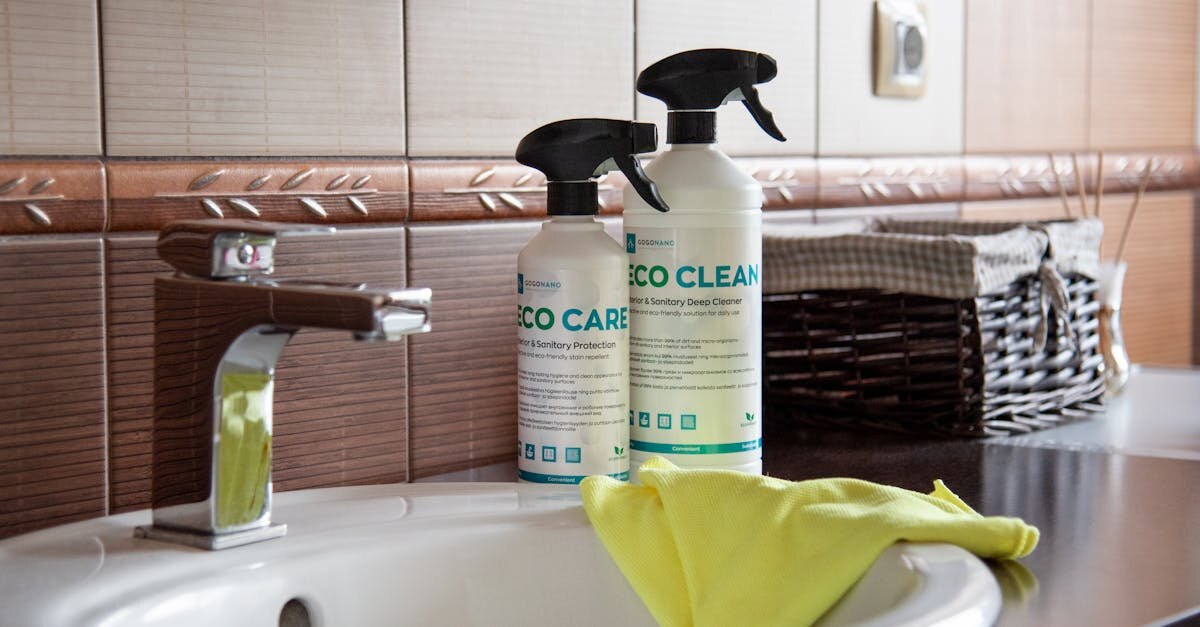
What is included in regular cleaning? The honest answer is: only what you have named before the visit starts. Otherwise a simple apartment cleaning job in Prague can quietly turn into oven rescue, limescale removal, wardrobe sorting and a client asking why the windows are still dirty. For cleaners, solo providers and small teams, the scope matters as much as the price. Maybe more.
Why vague cleaning scope eats your margin first
Most underpriced cleaning jobs do not look underpriced at the beginning. The message sounds normal: a regular apartment cleaning, 2+kk, once every two weeks, around three hours. Then you arrive. The kitchen counter is covered in things, the bathroom glass has old limescale, the oven looks like nobody has touched it since Christmas, and the client says, casually, "Could you just take this as well?"
That is how scope creep starts. You agreed to maintenance cleaning. The flat needs catch-up cleaning. There is a difference, and it is not a fussy technical detail. It is time, chemicals, energy and money.
I have seen this happen with a cleaner in Prague 10. Her hourly rate was 450 CZK, which was not bad on paper. But three regular clients expected her to clean inside the microwave, remove heavy limescale, tidy surfaces before cleaning them and handle laundry bits that were never discussed. She did not want to sound difficult, so she kept doing it. By the end of the month she was giving away 30 to 45 minutes on several visits. That is not kindness. That is an undefined cleaning service scope.
The client is not always trying to take advantage. People genuinely use the words "regular cleaning" differently. One person means vacuuming, mopping, dusting and a bathroom reset. Another person thinks it includes windows, oven, fridge and whatever happens to annoy them that week. If you do not define the line, the client will define it for you.
What regular apartment cleaning usually includes
Regular cleaning is maintenance. It works best in a home that is cleaned weekly or every other week, where dirt has not had months to settle in. The standard should cover recurring tasks: floors, dust, bathroom, toilet, kitchen surfaces and light straightening of the space so you can actually clean.
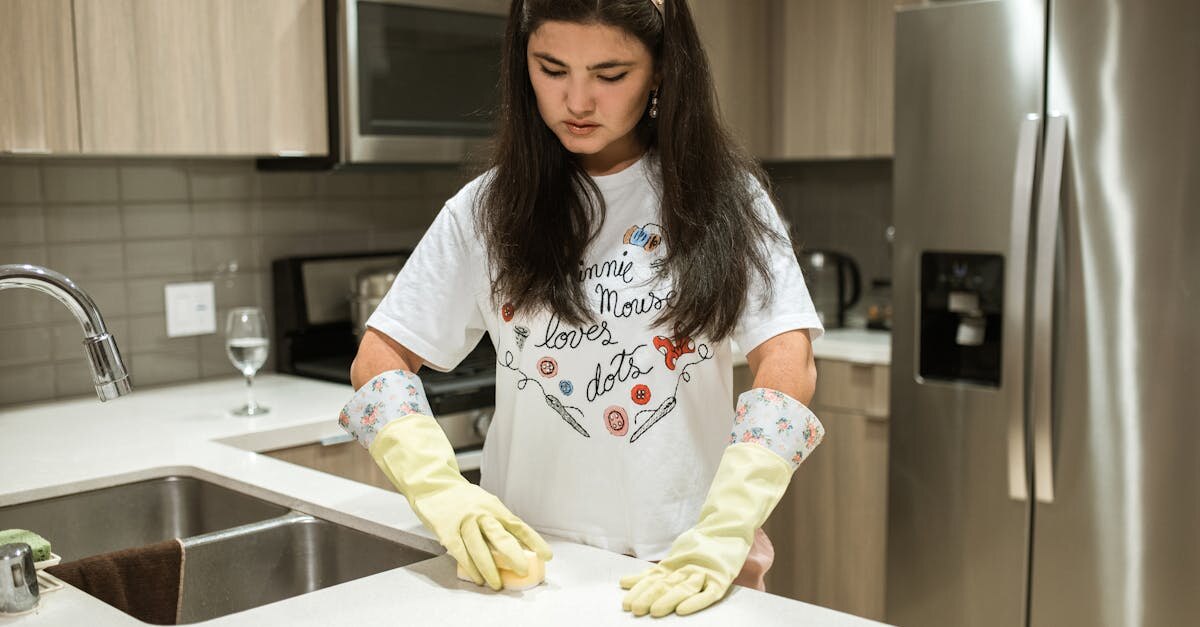
In living rooms and bedrooms, regular apartment cleaning usually means vacuuming, mopping according to the floor type, wiping reachable surfaces, tables, shelves and windowsills. It does not mean moving heavy furniture, cleaning light fixtures or dusting every tiny object on a crowded shelf. If a client has thirty framed photos, candles and souvenirs on one cabinet, say early that detailed object-by-object dusting takes extra time.
In the kitchen, the normal scope is the worktop, sink, tap, outside of the hob, visible cabinet fronts with everyday fingerprints and the bin if that is part of your agreement. The inside of the oven, fridge, extractor hood and cupboards belong somewhere else. Grease that needs soaking is not the same job as wiping a counter.
Bathrooms need careful wording because clients notice them first. A regular visit can include the sink, taps, mirror, bath or shower in normal condition, toilet, floor and reachable surfaces. Old limescale, mould in grout, blocked drains and yellowed silicone are deep cleaning tasks. They need time and often stronger products. Do not hide that inside a basic price.
Hallways are usually simple: vacuum or sweep, mop, wipe reachable surfaces and clean the mirror if there is one. A shoe rack packed with boots, bags and winter mess is not automatically part of the cleaning. It is organising work. That may sound strict, but it is fair. The client knows what they are buying, and you know what you are selling.
A useful rule: if the task can be done repeatedly without special chemicals, soaking, scraping, ladders, heavy moving or decisions about the client's belongings, it can sit inside regular cleaning. If it needs any of those things, price it separately.
What counts as extra work, and why saying it early helps
Extra tasks in cleaning are not tasks you are too lazy to do. They are tasks with a different time profile. Window cleaning in a Prague 2+kk can take 60 to 120 minutes depending on the number of panes, access and frame condition. An oven after months of roasting is not a five-minute wipe. A fridge has to be emptied, cleaned, dried and sometimes discussed with the client because food is involved.

Typical extras include windows, oven cleaning, fridge and freezer cleaning, inside kitchen cupboards, larger amounts of bed linen, ironing, blinds, heavy limescale, grout, silicone, mould, post-renovation dust, post-painting cleaning and first visits in badly neglected apartments.
The wording matters. I would avoid "I do not do that" unless you truly do not. A better line is: "I can add that as extra work, but we need to allow more time for it." Suddenly it is not a refusal. It is apartment cleaning pricing based on reality.
You can charge extras in two ways. Either add time to your hourly rate, or set a fixed price for a defined task. Windows often work better by window or by apartment after photos. Ovens and fridges are easier as add-ons depending on condition. The important part is confirmation before the job starts. A WhatsApp message is enough: "Regular cleaning covers surfaces, floors, bathroom and outside kitchen areas. Windows, oven, fridge and inside cupboards are priced separately."
That sentence prevents many awkward conversations. It is short. It is clear. The client can scroll back to it.
How to explain the scope without sounding cold
The worst time to explain boundaries is halfway through the visit, with gloves on and the client pointing at the oven. There is already pressure in the room. Send the scope in your first reply or after a short call. Not as legal terms. As a small checklist.

For example:
- Regular cleaning includes vacuuming, mopping, dust on reachable surfaces, bathroom, toilet and outside kitchen surfaces.
- It does not include windows, oven, fridge, inside cupboards, ironing, heavy limescale or post-renovation cleaning.
- Extra work can be priced in advance from photos or during the first visit.
Three lines. That is enough. A client who wants maintenance cleaning will understand it. A client who expects deep cleaning for a maintenance price will reveal that early, which is useful. Better to adjust the quote before the job than argue inside the apartment.
Ask better questions too. "How big is the flat?" is not enough. Ask when it was last thoroughly cleaned. Ask whether the bathroom has heavy limescale. Ask whether they want only visible surfaces or also inside the oven and fridge. Ask about pets. Ask whether surfaces will be cleared before you arrive. These questions are not annoying. They are how a professional avoids a bad promise.
The first visit often deserves more time. If a normal 2+kk takes three hours, the first appointment may take four. Tell the client plainly: "The first clean can take longer because we bring the flat back to a maintainable condition. Later visits are usually shorter." That sounds reasonable because it is true.
How to set boundaries and still keep the client
Boundaries are not bad service. They are part of the service. Without them, the client invents the boundary, usually in their favour.
Calm language works best. Instead of "that is not included", say "that falls under extra cleaning, and I can add it for an additional fee." Instead of "I do not have time", say "today we have three hours booked, so I can cover the agreed basics; we can schedule the oven as a separate block next time." You are not defending yourself. You are offering a workable option.
Sometimes you need to change the job on the spot. If the first visit in a Karlín rental looks more like a deep clean after tenants, say it. "Based on the condition, this is not regular cleaning yet. It is an initial deep clean. I can continue, but we need to increase the time and price." Some clients will say no. Fine. The worse outcome is doing five hours for the price of three and then hearing that the windows were not finished.
ČistýKout helps here because a good request forces both sides to describe the job before anyone travels across Prague. When a client asks for regular apartment cleaning, you can immediately ask about extras, photos and timing. No drama in the hallway. No guessing.
A simple test: can you explain in one sentence what is included in your regular cleaning price? If not, the offer is too loose. Loose offers in cleaning usually turn into unpaid work.
A practical regular cleaning scope template
You can adapt this text for your own service:
"Regular cleaning includes standard apartment maintenance: vacuuming and mopping floors, wiping dust from reachable surfaces, cleaning the bathroom and toilet, wiping the kitchen counter, sink, outside of the hob and taking out the bin if agreed. The price does not include windows, oven, fridge, extractor hood, inside cupboards, heavy limescale, mould, ironing or post-renovation cleaning. I can price those tasks separately based on the scope."
It is not unfriendly. It is clear. In cleaning, clarity often protects the relationship better than a discount.