When it comes to eco-friendly cleaning, vinegar is usually the first thing people think of. It's cheap, easy to find, and it genuinely works. But here’s the thing – not all vinegar is created equal. In shops, you'll typically find regular spirit vinegar (the brown one used for pickling) and white vinegar. While they might look similar at first glance, there's a major difference when it comes to tackling your bathroom or kitchen.
Not All Vinegar is the Same: What Makes White Vinegar Different?
Regular spirit vinegar, which you can pick up for next to nothing in any supermarket, usually contains about 8% acetic acid. Its brown color comes from added caramel (sugar). And that’s exactly where the problem lies. When you clean windows or stainless steel with it, that sugar can leave behind an invisible sticky film or streaks. Plus, it has that classic, sharp smell that some find a bit overwhelming. White vinegar (sometimes labeled as 10% distilled white vinegar) is in a different league. It's as clear as water, contains no dyes or sugar, and has a higher concentration of acetic acid – typically around 10%. This means it’s about a fifth more effective at dissolving limescale than the regular stuff. And the best part? It leaves zero residue after drying, and the scent fades much faster.

Where White Vinegar Shines in the Home
White vinegar is essentially a natural limescale remover. If you're fighting white buildup on your shower screen or the bottom of your kettle, you won't find anything better. Just spray it on, let it sit for a few minutes, and rinse. Another area where white vinegar reigns supreme is polishing. Because it doesn't contain caramel, it’s perfect for windows, mirrors, and stainless steel sinks. Try adding a splash to your water when mopping the floor (as long as it’s not wood or stone) – the floor will shine, and you'll tackle minor bacteria without resorting to harsh chemicals.
Beware of Sensitive Surfaces: When Not to Use Vinegar
Even though vinegar is a natural wonder, it's still an acid. And acids really don't get along with limestone. If you have a marble countertop or natural stone in your bathroom, keep the vinegar far away. It could irreversibly etch the surface and leave permanent dull spots. You should also be careful with rubber seals (like the ones in your washing machine or dishwasher). Frequent use of high-concentration vinegar can dry out the rubber over time, causing it to crack. If you're ever unsure, always test the vinegar on a small, hidden spot first. Or just ask the pros – at CistýKout, we know exactly which products (natural or otherwise) are safe for every surface.
Recipes for DIY Cleaners That Actually Work
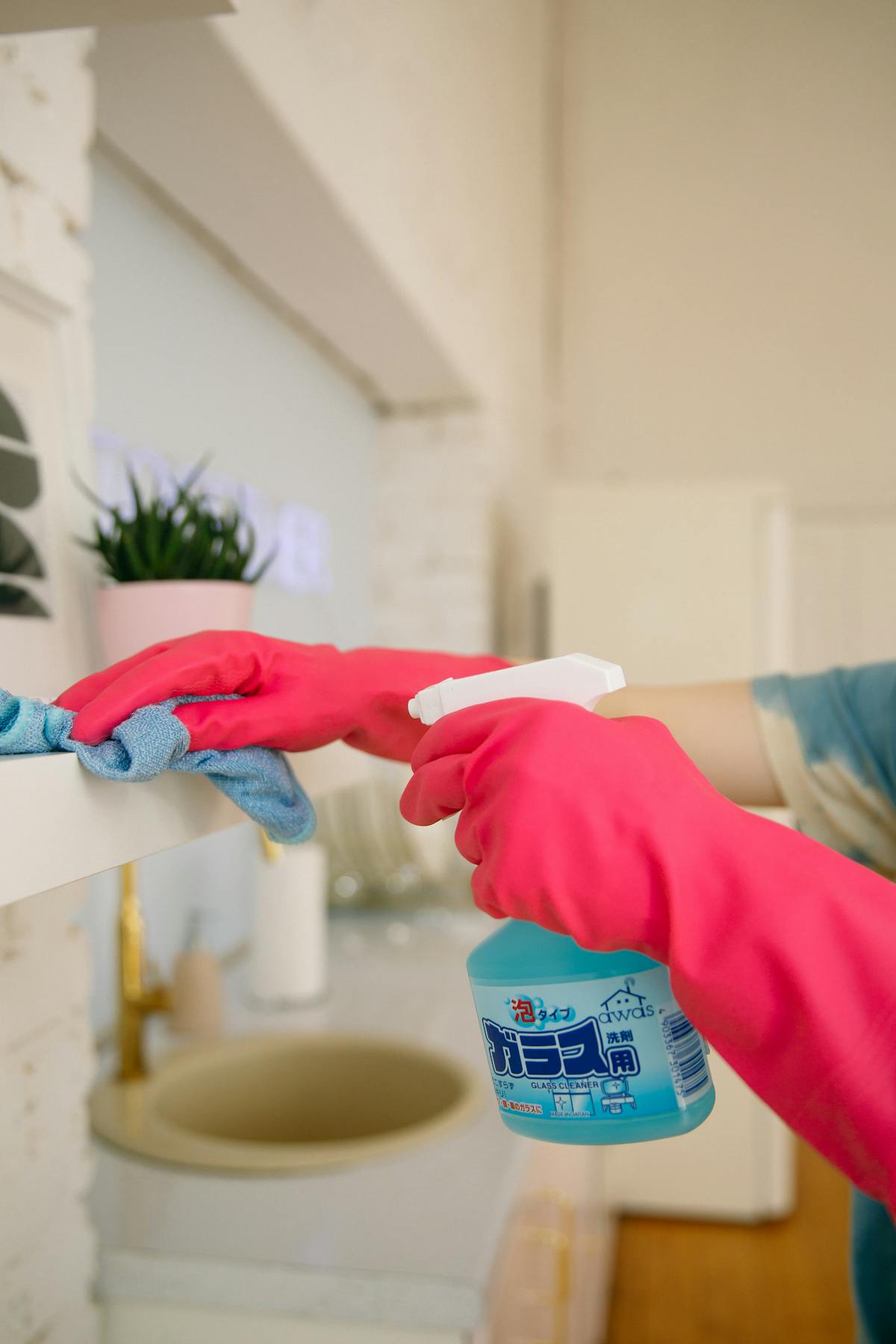
Making your own multi-purpose cleaner takes less than a minute. Simply mix white vinegar with water in a 1:1 ratio and pour it into a spray bottle. If the vinegar smell bothers you, add a few drops of essential oil (lemon, eucalyptus, or tea tree work great) or soak some lemon peels in the vinegar for a week. You'll end up with a cleaner that smells like a citrus garden but still packs the punch of a professional product. This DIY spray is fantastic for regular maintenance. However, if you have months of limescale buildup or need a deep sanitization, it might be time to call in the experts. Our team at CistýKout has the equipment and experience to rid your home of even the most stubborn dirt that vinegar just can't handle anymore.