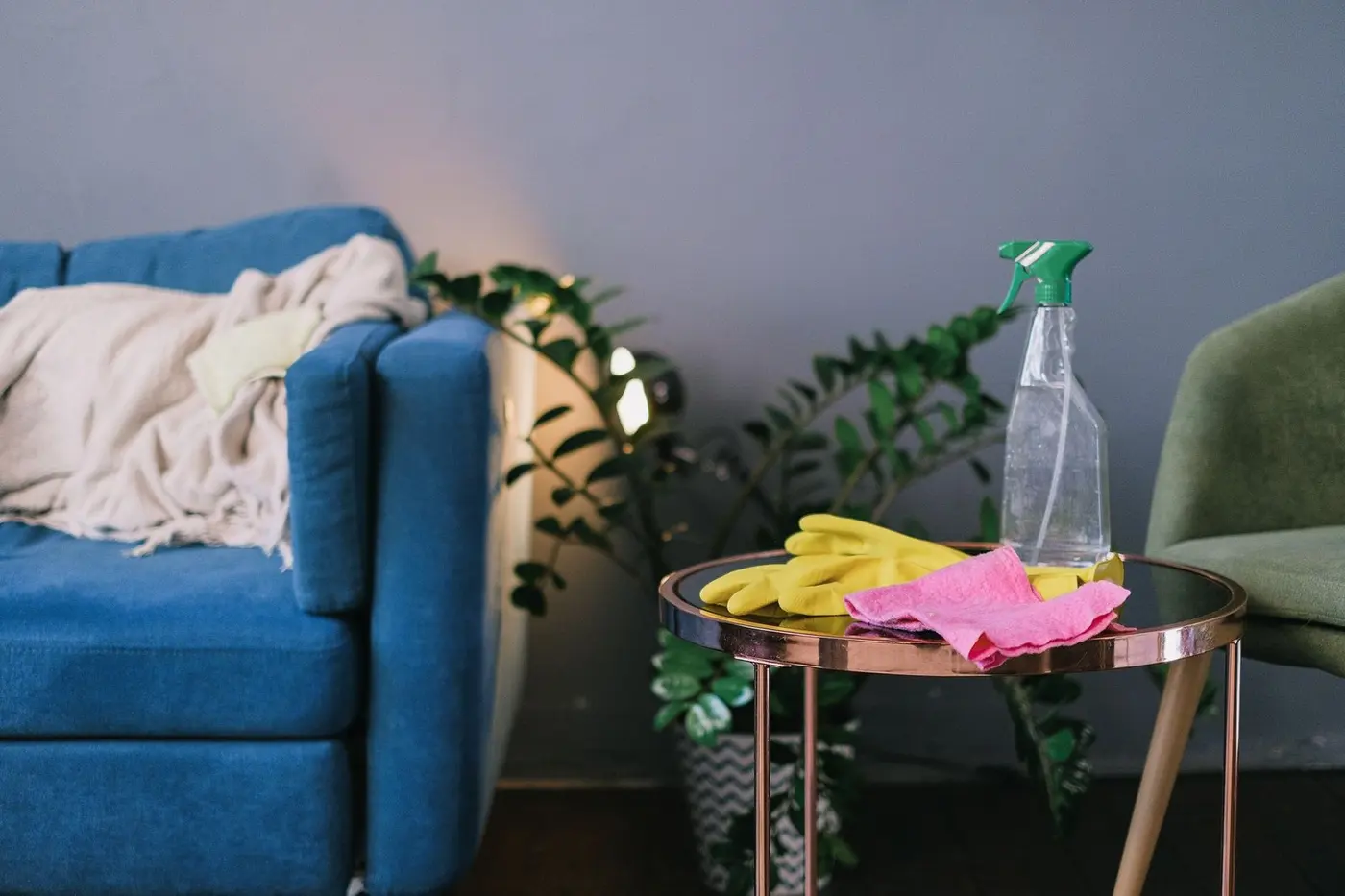
Dust in apartment life has a way of making you feel slightly ridiculous. You wipe the shelves on Saturday, vacuum the bedroom, mop the hallway, and by Sunday morning there is already a grey film on the black dresser near the window. I see this pattern a lot in Prague flats: Vinohrady with traffic under the windows, an older Smíchov building, a new development near a busy road, a panelák where the shared hallway carpet has seen better decades. The problem is rarely that you simply do not clean often enough. More often, the flat keeps producing dust and the cleaning routine sends part of it back into the air.
Where all that dust comes from
When people ask why is my apartment so dusty, they usually expect one culprit. The street. A building site nearby. The dog. In reality, dust is a messy mix: textile fibres, outdoor particles, pollen, crumbs, hair, skin flakes, cooking residue, bits from mattresses, and sometimes fine material from old plaster or floors. That is why it comes back so stubbornly.
Textiles are often the biggest reservoir. Mattresses, curtains, upholstered sofas, rugs, throws, pillows and blankets all hide dust well. Then you sit down, pull the curtains, make the bed, or shake out a blanket, and a small cloud goes airborne again. A few hours later it settles on the TV, bedside table, kitchen counter or windowsill. Bedrooms are usually the worst room for this. You spend hours there, move bedding every day, change clothes, and often keep more fabric in that room than anywhere else.
City air adds another layer. In Prague, a flat near a busy road, tram line or dry construction site will collect dust faster. Pollen season does the same. You cannot seal outdoor particles out completely, at least not in a normal lived-in flat, but you can manage how much you invite inside. A short burst of ventilation after rain is very different from leaving the window open all day when the air is dry, windy and full of pollen.
Pets add hair, dander and dust from beds or blankets. Older buildings can add fine dust from gaps, windowsills, old floors and basement spaces. If the neighbour upstairs has just renovated, you may be cleaning up fine dust for weeks. That is not a moral failure. It is just what fine dust does.
Common mistakes that bring dust back by the next day
The first mistake is cleaning in the wrong order. If you vacuum the floor and then wipe the shelves, you have set yourself up to repeat part of the job. Dust from higher surfaces falls down, some of it floats, and some lands on the clean floor. Work from top to bottom: upper shelves, windowsills, tables, cabinet fronts, electronics, then floors.
The second mistake is dry dusting. A dry cloth, feather duster or quick swipe with an old T-shirt may look efficient, but fine dust often just moves somewhere else. The shelf looks better for ten minutes. Meanwhile, a portion of the dust is now floating around the room. For normal dust cleaning, I prefer a slightly damp microfibre cloth. Not wet. Just damp enough to hold the dust instead of launching it.
The third mistake is dusting with the window open. I understand the instinct. Fresh air feels right, especially if you are using cleaning products. But if air is moving through the room while you are wiping dust, the dust behaves like flour in a draught. Ventilate briefly before cleaning, close the window, dust, vacuum, mop if needed, then air the room again for a few minutes.
The vacuum cleaner matters too. This is not only about suction. An older vacuum with a tired filter or a leaky dust container can push fine dust back into the room. If you have dust allergy at home, a proper HEPA filter and a sealed system are not tiny product details. They decide whether the dust stays in the vacuum or returns to the air you breathe.
A faster routine that actually reduces dust
The routine does not need to be long. It needs to be in the right order. For a normal city apartment, I would start with the bedroom and living room. Those are the rooms where dust is produced, stored and breathed in the most.
In the bedroom, change bedding once a week, vacuum around the bed, under the bed and around bedside tables. If the bed has an upholstered headboard, vacuum that too. A mattress needs slow passes, not one quick sweep so you can say it was done. If someone in the flat has allergies, wash bedding at the highest temperature allowed by the care label and stop letting clothes pile up on the chair. That chair is a small dust factory in many homes.
In the living room, wipe shelves, the TV, coffee table and windowsills before vacuuming the floor. Use a HEPA vacuum slowly. Fast back-and-forth movements may pick up crumbs, but they do less for fine dust inside a rug. Vacuum sofa seams, under cushions and underneath the sofa. Every so often, lift the rug. In Prague flats with wooden floors, the dust underneath can be almost impressive.
Curtains are not just decoration. They catch pollen, street dust and fibres from inside the room. You do not need to wash them constantly, but if you shake a curtain and see dust in the sunlight, it is time. Heavy curtains can be vacuumed with an upholstery attachment. Pet beds and blankets need regular washing too, or the rest of your dust cleaning routine keeps fighting the same source.
A decent weekly minimum looks like this:
- ventilate briefly and strongly,
- wipe visible higher surfaces with a slightly damp microfibre cloth,
- vacuum textiles, corners, under the bed and around the sofa,
- mop hard floors only after vacuuming,
- wash or shake out the dustiest textiles when needed.
This is not deep cleaning. It is maintenance that stops dust from building into layers.
How to adjust the flat so dust settles less
Some apartments are hard to keep clean because they are full of dust traps. Open shelves with small objects, dried flowers, books without doors, decorations, rugs in every room, curtains touching the floor. None of that is wrong. It just means more surfaces to clean.
The fastest change is to reduce open storage. Things you use once a month can live in a closed cabinet or box. A bookcase with doors is easier to maintain than open shelving across a whole wall. In the hallway, a closed shoe cabinet helps, especially in winter when grit, mud and grey street dust come in on shoes.
An air purifier can help, but it is not magic. It can reduce some airborne dust and pollen if the filter is right and the unit is sized for the room. It will not clean a rug, mattress or dusty shelf. Treat it as support, not a replacement for cleaning. For allergy sufferers, the bedroom is usually the best first room because that is where the difference is easiest to feel.
Ventilation also needs a little judgement. Short and strong is usually better than half-open windows for hours. Avoid the worst pollen times and heavy traffic moments if you can. After a dry windy day near a major road, I would not dust with the window open. You may as well turn the living room into a filter for the street.
When a home routine is no longer enough
Sometimes the home routine is doing its best, but the apartment needs deeper cleaning. The signs are fairly clear: dust returns by the next day even after you clean in the right order, sunlight shows clouds of particles around the sofa, allergies feel worse at home, the mattress or rug smells stale, or the vacuum fills quickly with fine grey dust.
Mattress, sofa and rug cleaning makes sense when textiles have gone too long without deeper care. Do not expect one visit to undo years of neglect completely, but the difference can be noticeable. Literally. A sofa often smells fresher after proper cleaning, and the room feels less heavy.
Professional cleaning also makes sense after renovation, painting, moving, or in flats with an allergy sufferer, a small child or pets. Regular cleaning is not only about convenience. A good cleaner keeps the flat under control, so dust does not build up in corners, skirting boards, gaps and behind furniture.
ČistýKout can help with one-off deeper cleaning or regular cleaning in Prague and nearby areas. A simple contact request is worth it when you are no longer doing normal upkeep, but chasing the same dust every week from scratch. Sometimes one serious clean and a better routine are enough. Sometimes a regular rhythm is the smarter option. Either way, dust in apartment living is a practical problem, not proof that you are bad at cleaning.