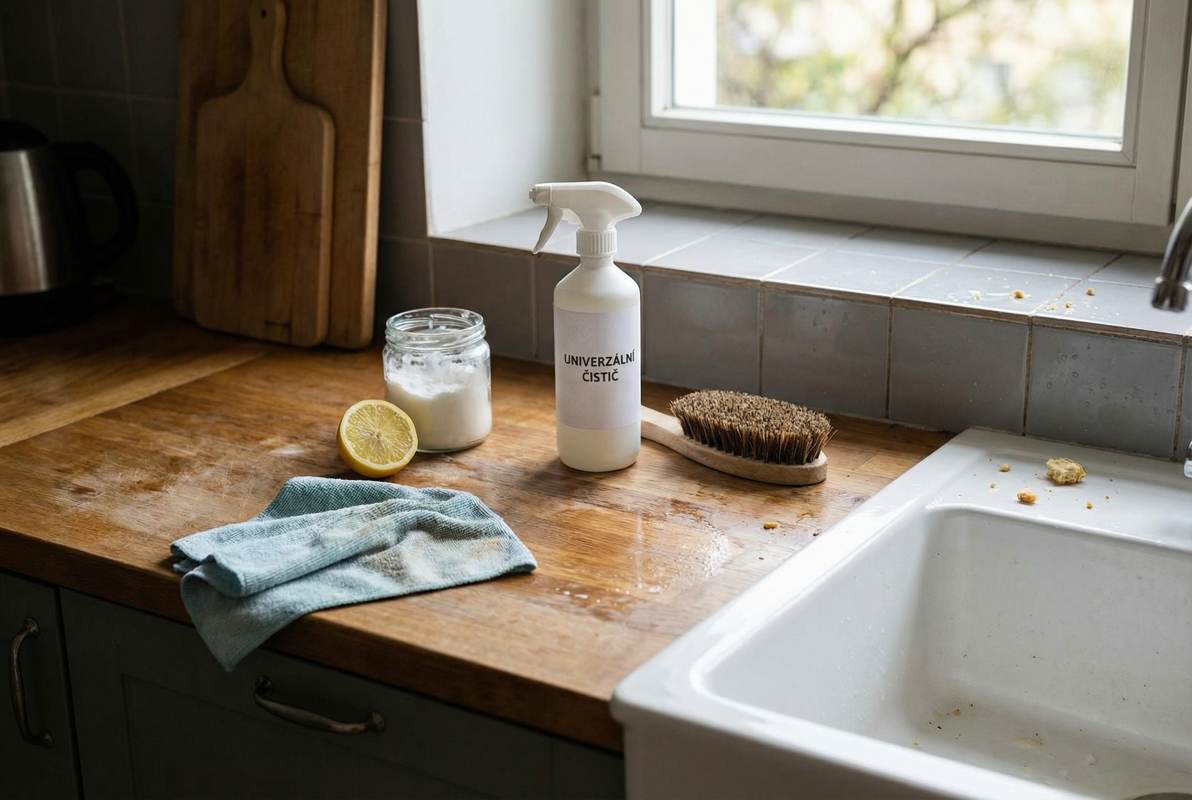
Short videos can make ordinary cleaning look like magic. White foam, quick cuts, and a glossy final shot feel convincing. Then you try the same trick at home and the result is disappointing. The surface stays sticky, the stain comes back, or the material ends up slightly damaged even though it would have been fine with a calmer, more suitable approach.
Why the video looks better than real life
Social content usually shows the effect, not the full process. You do not see how many takes were filmed, what was cleaned beforehand, or what the surface looked like an hour later. Many hacks only work on one very specific kind of dirt, one exact material, or one carefully chosen product. Change any of those conditions at home and the outcome can be completely different.

The biggest problem: clever-sounding mixtures
A lot of viral cleaning advice relies on homemade mixtures. Vinegar, baking soda, lemon, dish soap, and essential oils sound harmless because most people already have them at home. That still does not mean they should be mixed without thinking. Sometimes the ingredients cancel each other out. Sometimes they create lots of fizz but not better cleaning. In the worst case, they can damage stone, seals, coatings, or other sensitive surfaces.
- Foam does not automatically mean better cleaning.
- Acid-based mixtures are not safe for every material.
- A strong trick for one video can create long-term surface problems.
Where these hacks fail most often
Typical examples are kitchen grease, bathroom limescale, or stains on upholstery. Videos often promise one universal fix, but each of those problems needs a different method. Grease needs proper degreasing and contact time. Limescale needs a gentler material-aware approach. Fabrics need a patch test before you treat the visible area. One magic shortcut for everything simply does not exist.
How to spot advice that should make you pause
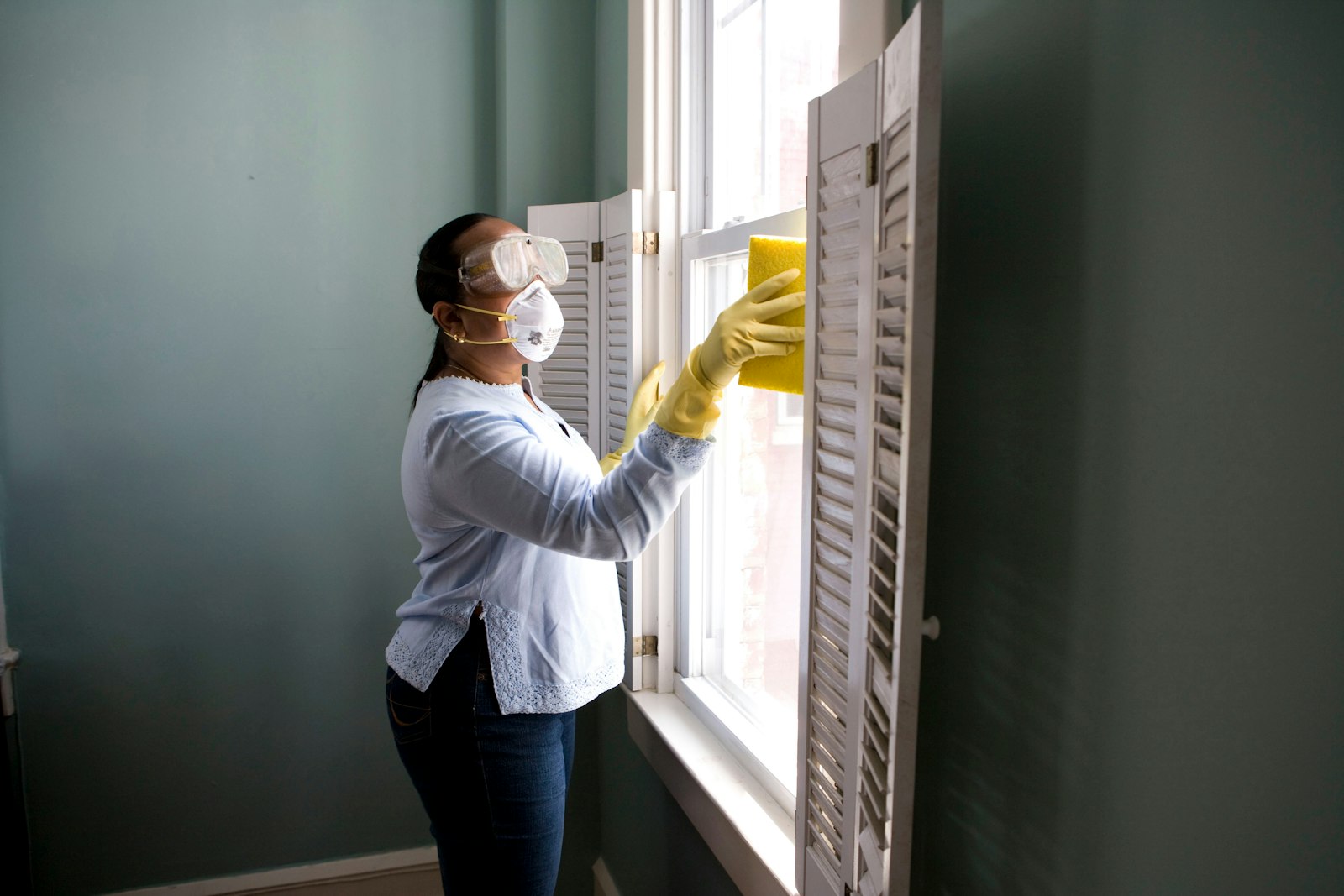
Be careful when a video claims that one method works equally well on wood, stone, glass, and fabric. Be careful again when the creator never mentions the exact material, contact time, or safety warning. And if the main proof is simply that the before-and-after shot looks satisfying on camera, that is not enough reason to trust it with your home.
What works better than viral shortcuts
In real homes, a simple system wins: the right product for the right surface, a sensible amount, a little dwell time, and patient work with a cloth or soft brush. It is far less dramatic than a ten-second reel, but it is usually more reliable. Most importantly, it lowers the risk of causing unnecessary damage. When you are unsure, start gentle and only increase strength if the surface can handle it.
When it makes sense to call in help
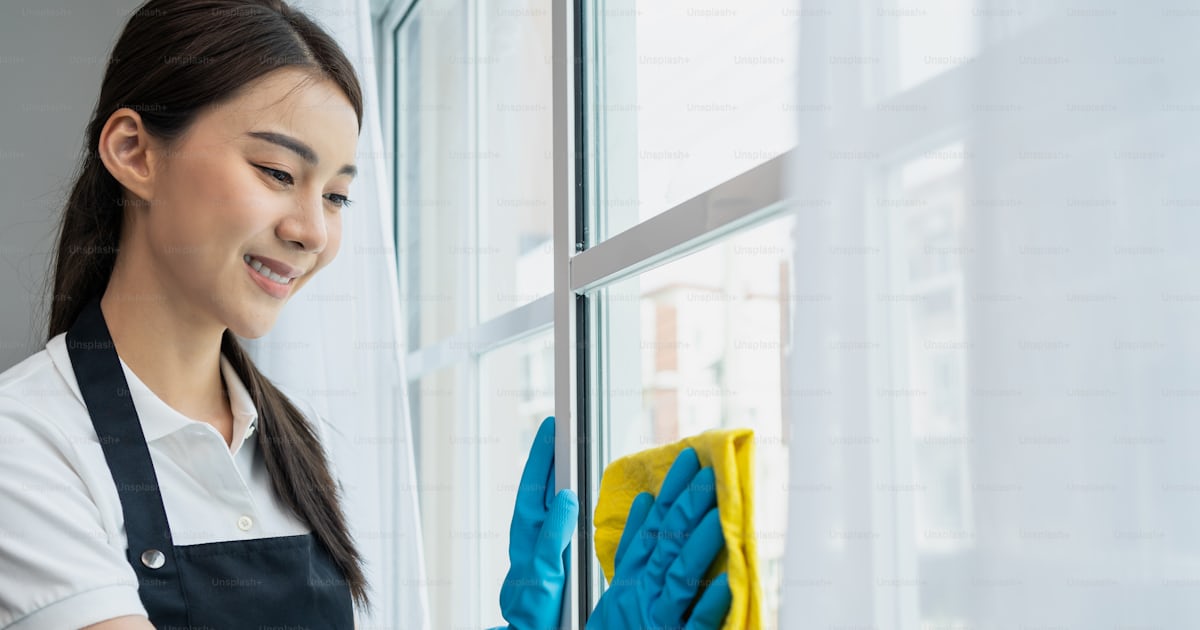
If you are dealing with a delicate material, a heavily neglected space, or damage caused by a failed experiment, professional cleaning can be cheaper than trying one more trick. A good cleaner knows which products fit which surfaces and can save you both time and stress. For expensive finishes, that can easily be the safest route.
Viral content can be a source of inspiration, but it should not replace basic judgment. If you trust principles more than miracle shortcuts, you will usually get safer cleaning, better results, and fewer repairs afterward.