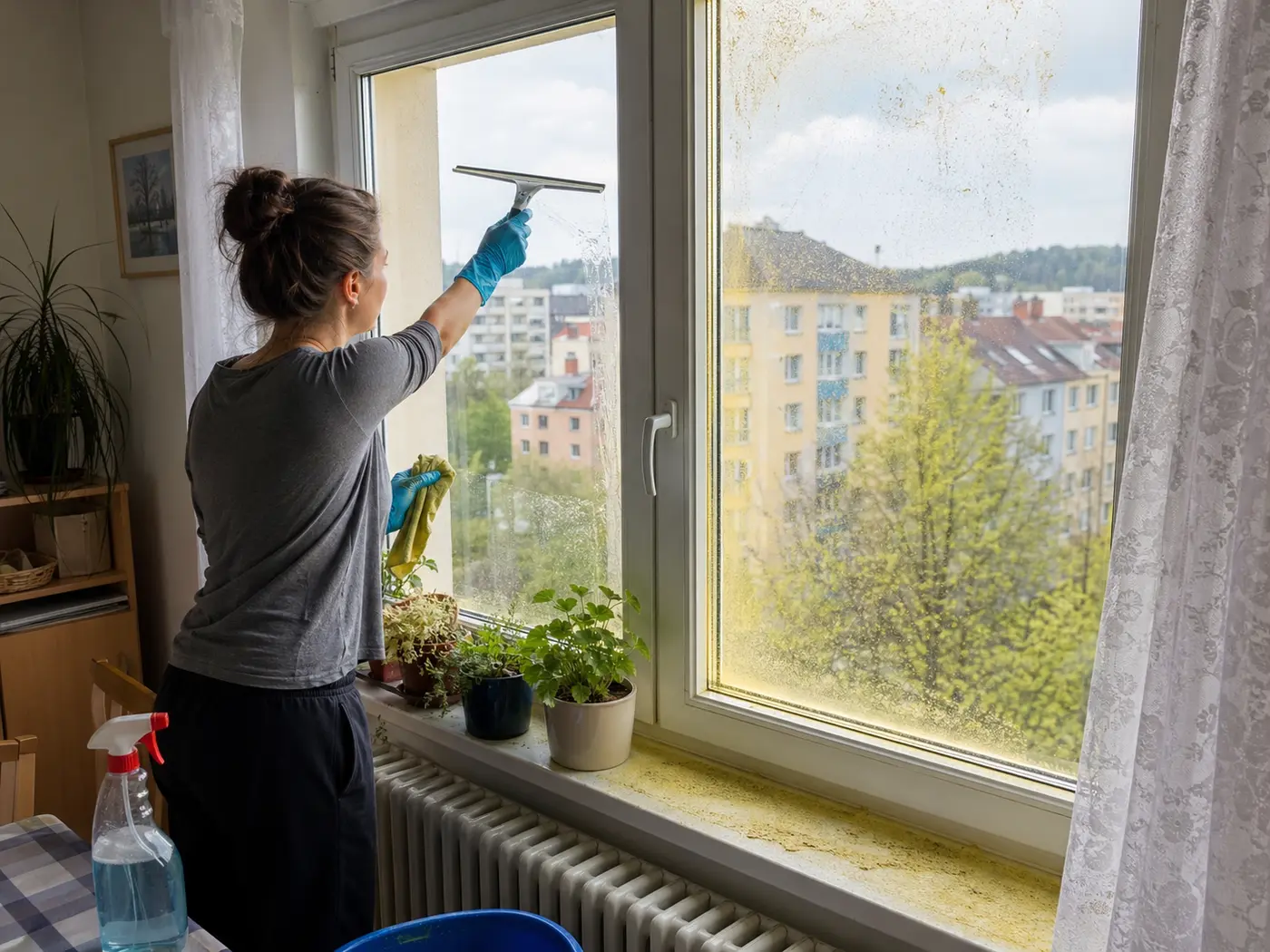
Window cleaning in pollen season is not the same job as a normal spring clean. In late April, a few dry windy days can leave a yellow film on the glass, the frames and the outside sill. If you wipe it the wrong way, you do not remove it, you spread it into streaks. I notice this most in Prague flats facing courtyards, balconies and tree lined streets. The glass gets the blame, but the real mess often sits on plastic frames, seals, drainage channels and window sills where pollen mixes with city dust and a slightly greasy film.
Why windows get dirtier in spring than in winter
Spring dirt is layered. It is not just dust. You get pollen, fine particles from traffic, leftovers from winter grime and a thin oily layer that sticks to glass better than people expect. In a flat near a busy road in Žižkov or Holešovice, the sill can feel gritty a day after cleaning. In a house near a garden, the dirt is different, with more pollen and soil, but the result is familiar: yellow edges, dull glass and frames that look older than they are.
Pollen on windows is easy to recognise. Run a finger over the sill and it comes away pale yellow, almost powdery. Ordinary dirt is usually grey and dry. A settled layer feels stickier. If your cloth turns yellow grey after one pass, or water runs unevenly over the frame, you are no longer dealing with a quick polish. You are cleaning a built-up film.
The worst spots are the ones people skip during normal cleaning: the lower edge of the frame, the corners around rubber seals, the inside edge of the sill, blind slats and drainage slots. Plastic frames are smooth, but not magically self-cleaning. Their surface holds pollen better than glass. Sills are worse because they act like a shelf for whatever blows in from outside.
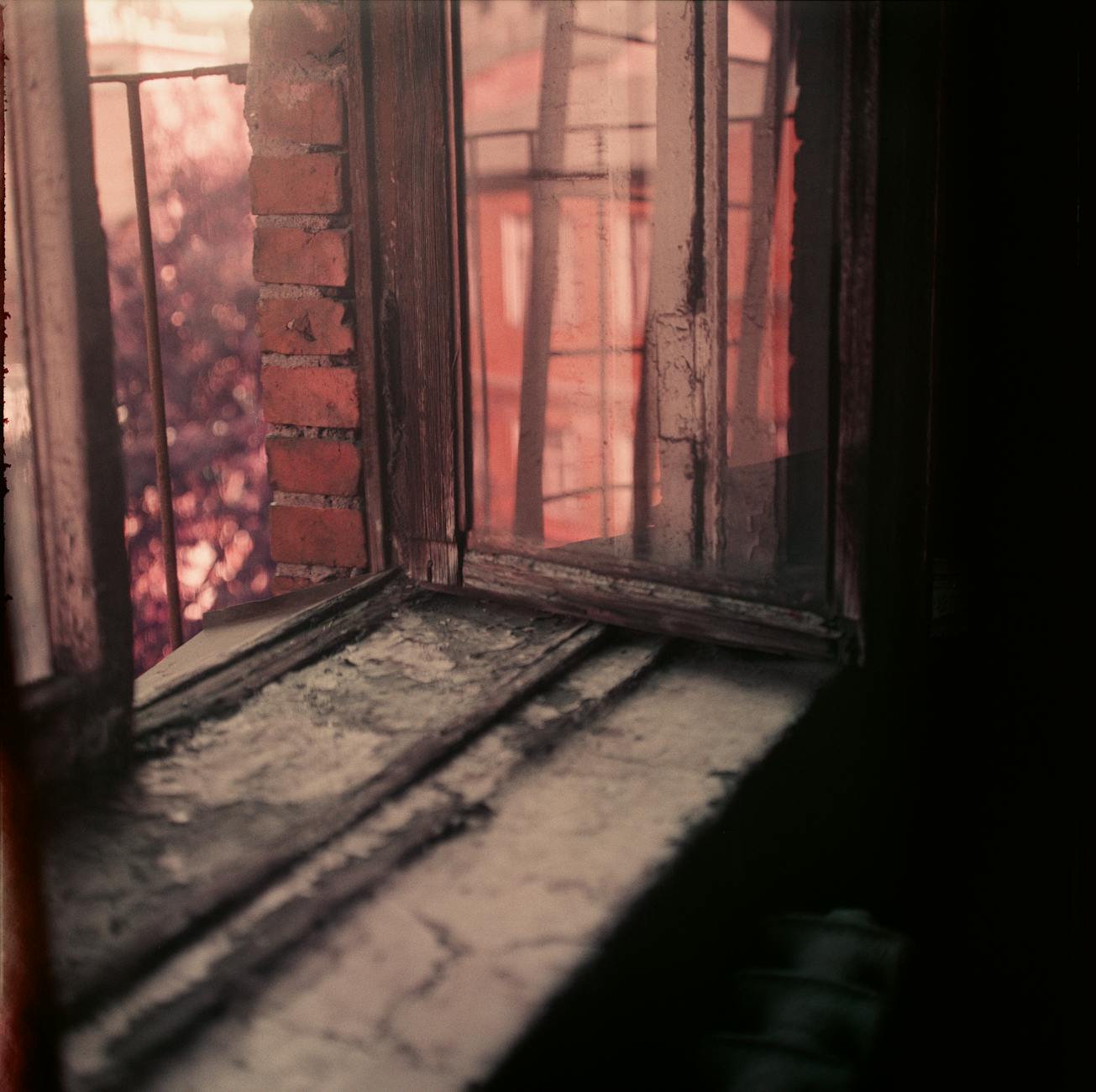
For allergy sufferers, this is not only about how the window looks. If pollen sits on the frame and sill, every time you open the window a little of it comes back inside. That is why pollen season window cleaning should include the area around the glass. If you clean only the pane, the source of the problem is still sitting a few centimetres away.
When to clean windows to avoid streaks
The best weather for streak-free window cleaning is dry, mild and cloudy. Light wind is fine. Direct sun is not. When the glass is hot, water and detergent dry before you can pull them off with a squeegee, and that leaves marks. People often blame the product. More often, they picked the wrong hour.
If your apartment has east facing windows, clean them later in the morning after the sun moves away. West facing windows are easier early in the day. With a house, work around the building according to the light. It sounds fussy until you try it. One side cleans beautifully. The sunny side feels like the detergent is sticking under your hand.
How often should you clean windows during pollen season? It depends on your home. If someone in the household has allergies, if you live near trees and if you ventilate often, wipe the sills and lower frame once a week with a damp microfibre cloth. You do not need to wash all the glass every week. A full window cleaning every four to six weeks is usually enough during the strongest pollen period, with an extra clean after heavy rain if it has glued dust to the glass.
In a flat near a main road, short maintenance more often works better than one heroic clean every two months. Five minutes on the sill and frame prevents that stubborn yellow grey paste. In a garden house, watch the trees around you. Birch and rapeseed can cover white frames surprisingly fast.
The right order: frames, sills, glass
Starting with the glass is tempting. It is the part you look through. But if you clean the pane first and then wash the frame, dirty water runs back down and spoils the result. Then you polish the same marks again and wonder why the window never looks clean.
The order that works at home and in professional cleaning is simple:
- remove loose dirt dry from frames, tracks and sills,
- wash frames and sills with a damp cloth,
- clean the glass last, using fresh water and a squeegee.
Do not skip the dry step. A small brush, a vacuum cleaner with a narrow nozzle or a dry microfibre cloth will lift pollen clumps, sand and debris from drainage channels. If you wet that immediately, you make mud. Balcony doors are especially bad because the lower track collects dust from shoes, pet hair and pollen from outside.

For glass, use microfibre or a washer sleeve, then a decent squeegee. Wipe the rubber blade after every pass. That little habit matters. A dirty squeegee draws vertical lines across the pane, and those lines are annoying to polish out. Change the water before it starts looking like weak tea. With pollen, that happens quickly.
Your cleaning solution can stay basic: warm water and a few drops of dish soap. A few drops, not a foam party. Too much detergent leaves a film on the glass, and the next layer of pollen sticks to it even faster. For edges, use a dry microfibre cloth. Paper towels often leave lint, especially around the corners.
How to clean plastic frames without damage
Plastic window frames are practical, but they do not like brute force. Avoid abrasive powders, scouring pads, acetone, technical petrol and strong chlorine products. They may make the surface look brighter for a moment. Then the plastic turns dull or rough, and dirt catches faster. Rubber seals are even more sensitive. Dry them out with harsh chemicals and they can harden over time.
For normal pollen film, use lukewarm water, a little mild detergent and a soft cloth. In corners, an old soft toothbrush helps. Not for aggressive scrubbing, just because it reaches where a finger wrapped in cloth does not. Clean drainage channels gently so water can leave the frame. When those slots fill with pollen, dust and bits of leaves, water sits there longer after rain or washing.
Yellowing on white plastic frames is a separate issue. Fresh yellow pollen comes off easily. Old yellowing from UV light, cigarette smoke or the wrong chemicals may not disappear with home cleaning. This is where I prefer honesty: vinegar, baking soda and miracle internet recipes will not restore plastic if the change is inside the material. You can clean it, even it out and remove the surface film. You cannot always make it new again.
A safe approach for tired frames is to start with mild detergent, then use a product made for PVC window frames if needed, following the instructions. Test a small hidden area first. Do not mix vinegar, soda and random cleaners because a social post said so. Chemistry is not a folk recipe. For seals, plain water and drying afterwards is usually the safer choice.
Common mistakes when cleaning windows
The first mistake is using chemicals that are too aggressive. With windows, people often think that if dirt does not move, the cleaner must be stronger. Pollen film is not a burnt pan. Most of the time it needs water, patience and the right order, not a harsher solvent. On plastic frames, a heavy-handed product can become a problem months later.
The second mistake is dry wiping the glass. A dry cloth on pollen-covered glass behaves a little like very fine sandpaper. You may not see scratches immediately, but you spread the dirt and clog the cloth. Dry cleaning is useful for loose dirt on frames and sills. The glass itself needs water.
The third mistake is using one bucket and one cloth for the whole flat. Classic. By the second or third window, you are no longer cleaning, you are moving dirt around. Keep at least two microfibre cloths: one for frames and sills, one for glass and final edges. Wipe the squeegee as you go. If the rubber skips, drags or leaves lines, it is dirty or worn.
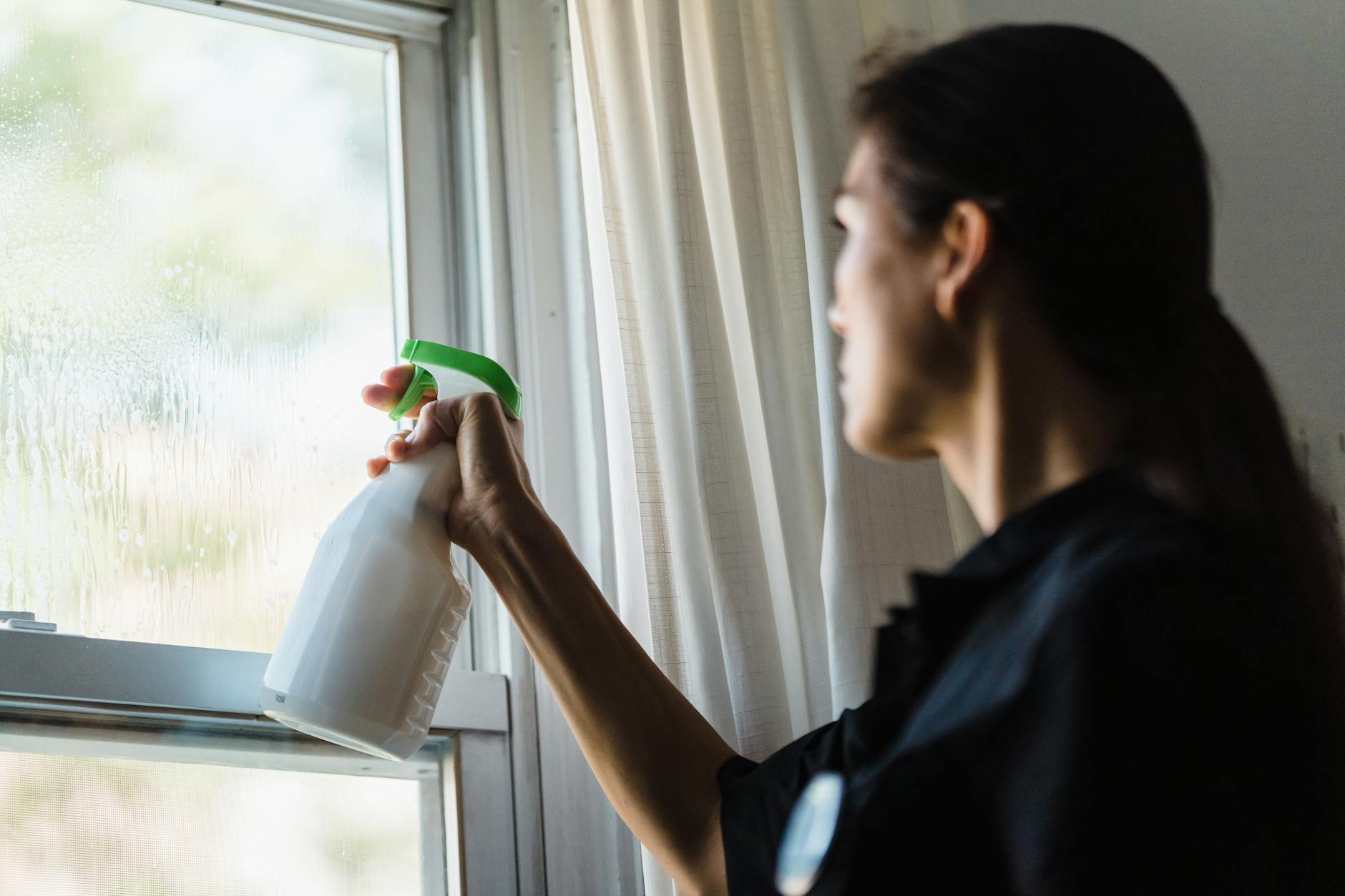
Another common miss is ignoring blinds. If they are dusty and full of pollen, you can wash the windows perfectly, then open or close the blinds and send dust back onto the glass. You do not need to remove them every time. Vacuum them with a brush attachment or wipe them with dry microfibre before wet cleaning.
Then there are drainage channels. Those small openings at the bottom of the frame look unimportant until they clog. During pollen season they collect yellow dust, leaf bits and rain dirt. A cotton bud, a soft brush or a narrow vacuum nozzle usually handles it in a few minutes. It is not glamorous work. It is exactly the kind of detail that separates a quick wipe from a properly clean window.
When professional window cleaning is worth it
A home approach makes sense for ordinary windows you can reach safely and for dirt that has not been sitting there for several seasons. The calculation changes when you need to stand on a chair, lean over a sill or wrestle with heavy blinds. For French windows, winter gardens, high skylights and large glass surfaces, professional window cleaning can be more sensible than spending a weekend fighting with a squeegee.
It is also worth considering when frames and sills are badly built up with dirt. A professional brings better sleeves, extension poles, proper squeegees and, more importantly, judgement. They know what can still be cleaned at home and what should not be attacked with stronger chemicals. Before handing over a rental flat, after renovation or after a long gap without maintenance, that judgement can save time and prevent damage to plastic and seals.
Price depends on the number of windows, access and condition. In Prague, the question is rarely just how many panes there are. Old double windows, balcony doors, French windows and high glass above stairs all change the job. If you have an allergy sufferer at home, small children and windows facing greenery, a good rhythm is a bigger clean after the heaviest pollen wave and small maintenance of sills and frames in between.
ČistýKout is a practical option if you are in Prague and do not want to ask around blindly. Describe the flat or house, the number of windows, access and the state of the frames, then send a soft enquiry through the contact form. No pressure. Just a clear brief and a cleaning option that understands pollen season is not ordinary spring polishing.
One final point: in pollen season, do not clean only what shines. Glass is visible, but frames, sills, blinds and drainage channels decide how long the windows stay clean. With the right order, the right weather and no unnecessary harsh chemicals, the result lasts longer and you avoid that annoying yellow film coming back after the first proper airing.