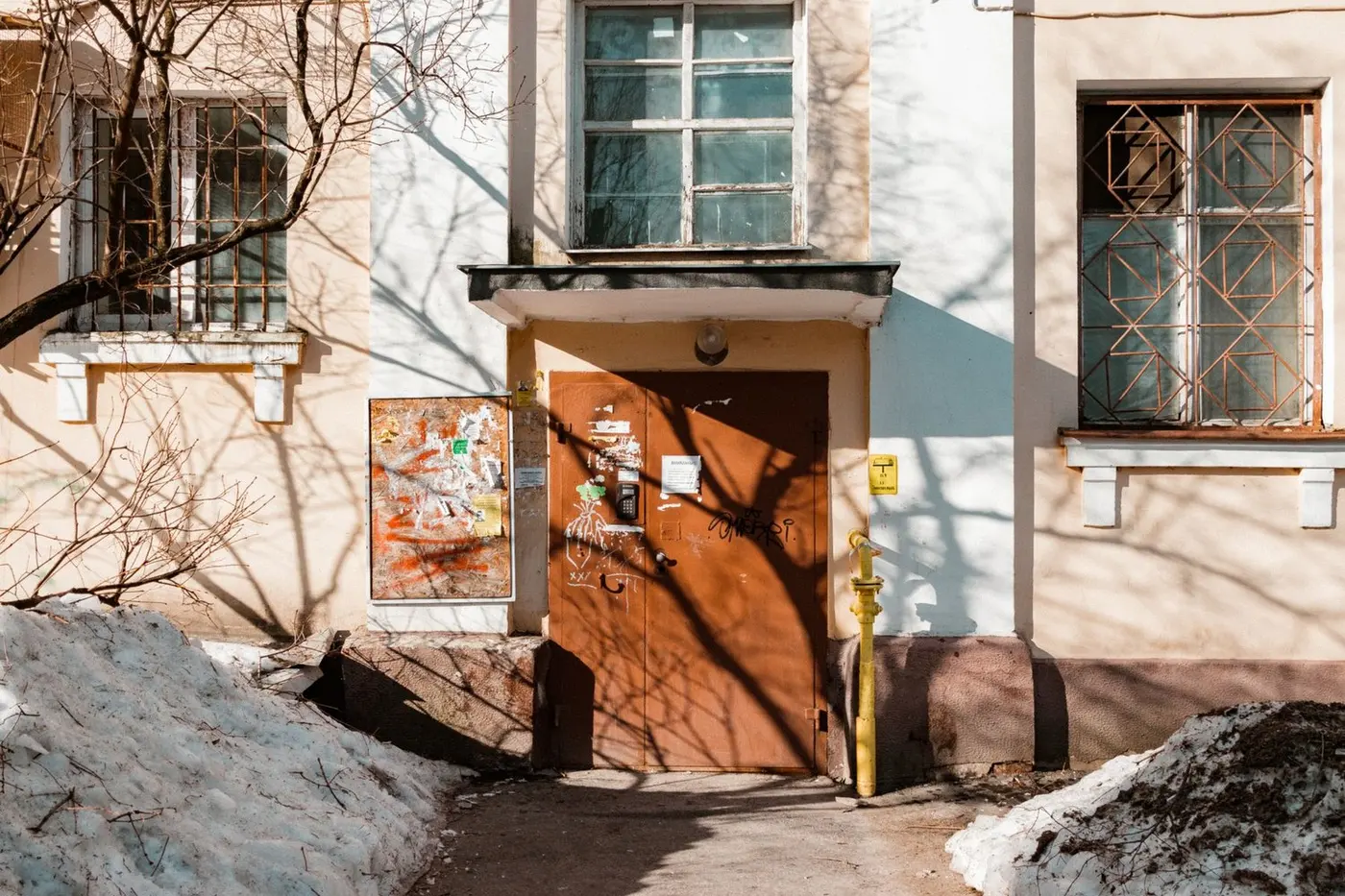
Winter cleaning of apartment common areas should not begin with the first snowfall. It starts in November, when the board adds a short winter appendix to the normal cleaning plan: which zones respond to weather, where water and grit should be stopped, and who actually goes outside with a snow shovel. Without that page, the first thaw tends to produce the same mess - a wet lift, grey salt haze on the tiles, and two different ideas about what the cleaning contract includes.
What changes in winter compared with the normal cleaning plan
There is little sense in cleaning an entire building three times as often simply because it is January. A fifth-floor landing during a dry freeze usually needs the same schedule it had in autumn. The entrance, mailboxes, lift and first flight of stairs can change within a couple of hours.
Separate four weather situations. A dry freeze brings dust and fine grit. Snowfall adds snow from boots and prams. A thaw creates the most water, while heavy road gritting leaves crystals and a grey-white film. Those are different cleaning jobs.
A board can put a simple response table into the winter plan:
- keep the normal schedule in dry weather;
- during snow or heavy gritting, inspect the entrance, lift and first landing two or three times a week;
- during a thaw, deal with wet patches according to their condition rather than waiting for the next routine visit;
- trigger an extra visit when the caretaker, board contact or building manager reports a problem.
Two or three visits a week is a starting point, not a universal rule. A 70-flat block next to a metro station in Prague 4 takes far more foot traffic than a six-unit villa in Dejvice. Add a short route covering doors, mats, mailboxes, lift and first landing. Leave upper floors on the original schedule unless inspections show a reason to change it.
Two mats and a place for wet footwear beat another mopping round
One small doormat placed sideways at the door is mostly decoration. A working entrance needs two different zones. A coarse scraper mat outside or in the vestibule removes snow and stones. A longer absorbent mat behind it takes moisture and finer dirt. Both should cover the natural walking line, including its full width. If residents can comfortably step around a mat, they will.
People need to take several normal steps on the inner mat. In a narrow panel-block lobby, moving a leaflet rack may work better than paying for another full mopping round.
Do not write only “clean every Wednesday”. Add a condition trigger: visible saturation, built-up grit, or footprints continuing beyond the clean zone. A soaked mat pushes moisture back onto shoes and the floor. In January, a spare mat is more useful than a fixed date that ignores the weather.
Watch where the water goes. In one Žižkov building, a runner caught the slush but its raised edge sent the puddle towards the lift. The provider turned it, adjusted its length and began checking saturation at every visit. More mopping was not the answer.
How to remove road salt haze without damaging the floor
When road salt appears on the floor, the tempting response is a quick pass with a wet mop. That is often the first mistake. Remove loose grit, stones and dry crystals with a broom or vacuum first. A wet mop otherwise carries dirty solution further into the building, while hard particles can scratch the surface underfoot.
Wet cleaning comes next. Product and dilution depend on the floor. Glazed tile, PVC, terrazzo and natural stone do not react alike. Vinegar is risky on limestone and marble because acid can etch them. If the material is unclear, test a hidden patch or check its care instructions.
A grey film may remain when salt mixes with overdosed detergent. More chemical can leave another sticky layer. A clean mop head, correct dilution and fresh solution usually matter more.
Give the entrance its own labelled mop and bucket. Otherwise a mop used on the salty lobby carries residue to the sixth floor. Colour coding also makes sense to a replacement cleaner without a long briefing.
A provider's winter offer should specify at least:
- dry removal of grit and salt crystals before mopping;
- a product suitable for the actual floor, used at the stated dilution;
- separate equipment for the entrance and upper floors;
- reporting of new scratches, loose edges or persistently wet patches.
Who clears snow, treats ice and maintains the pavement
Routine indoor cleaning does not automatically include snow removal. The cleaner, caretaker or a winter contractor may handle the external route. Any arrangement can work if the boundary is written down.
Name the physical areas: vestibule, external steps, ramp, access pavement, parking and the route to waste containers. Mark each as indoor cleaning, external winter maintenance or out of scope. A site plan with a coloured line is often clearest.
“As required” is too vague. State who can request attendance, on-call hours, reporting and the price for work outside the fixed fee. Snow clearance may start at an agreed depth or after a named contact calls. With ice, a rapid report matters more than centimetres.
Someone must check the grit stock and access to its store. A plan can still fail at six in the morning because the bin is empty. Name a backup contact too.
This boundary is not legal decoration. It protects both sides. The board knows who responds, and the cleaning company is not blamed after snowfall for a car park that was never included in its price.
A winter checklist for the board and cleaning provider
Keep the checklist short: date, weather and a few condition-based items. A ten-minute form will soon be abandoned.
| Check | Record | Escalate when | |---|---|---| | Entrance and mats | dry / damp / saturated, amount of grit | water continues beyond the clean zone | | Lift and first landing | dry / footprints / puddle | water reaches a threshold or smooth floor | | Grit supply | sufficient / refill needed | there is not enough for the next attendance | | Floor surface | unchanged / haze / scratch / loose edge | there is new damage or a slippery film | | External route | completed / not handed over / out of scope | responsibility or access is unclear |
A photograph can document an extra visit or damage. Show only the common area: no residents, mailbox names or parcel details. The residents' chat does not need an album of every wet footprint.
Review the records after the first strong thaw. Did a puddle remain by the lift? Was the mat saturated by Monday while upper floors stayed clean? Add an entrance inspection, a longer mat or a new on-call window according to the answers, rather than increasing every task by guesswork.
A one-page winter appendix should show zones, weather-based frequency, extra-work triggers, the external boundary and reporting. That prevents more January phone calls than a vague promise to “clean more often”.
If your Prague building needs a clearer plan for winter apartment building cleaning, send a no-obligation request through the Čistýkout contact form. Include the number of entrances, floor type, external route and current schedule. Čistýkout can then quote indoor condo common area cleaning separately from snow and ice standby, with the boundary written down from the start.